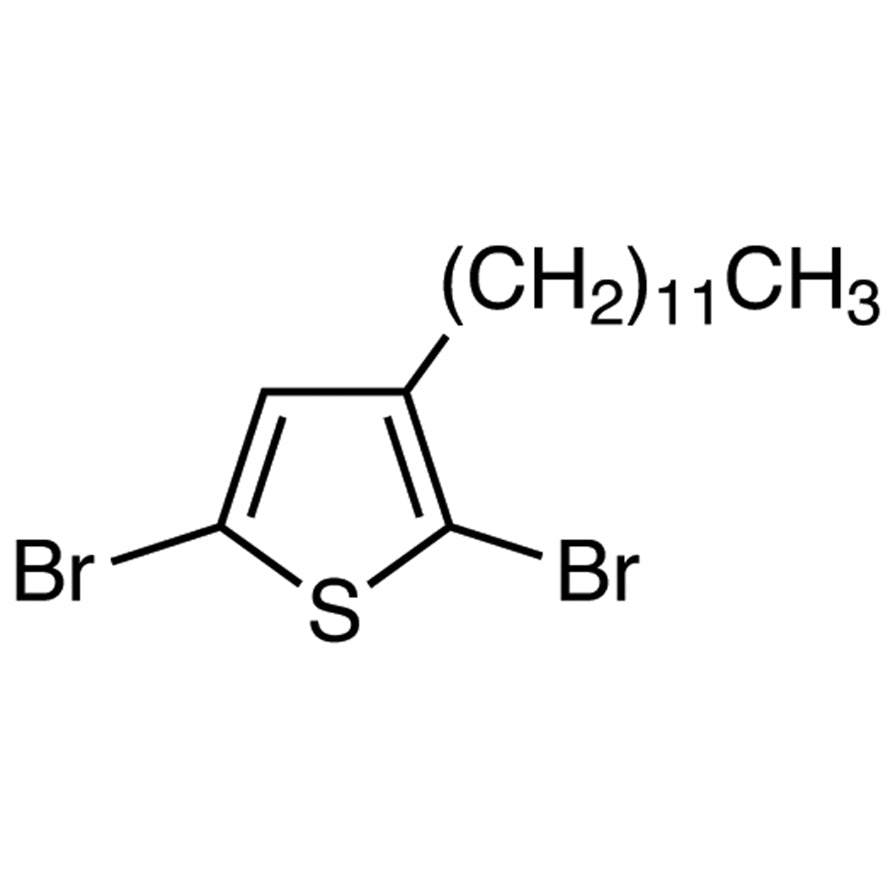
TCI D4031 2,5-Dibromo-3-dodecylthiophene is a substituted thiophene monomer belonging to the family of polymer semiconductor building blocks used in materials science. The molecule consists of a thiophene ring bearing two bromine atoms at the 2- and 5-positions, together with a long dodecyl alkyl chain at the 3-position. The two bromine atoms serve as the connection points for cross-coupling polymerization reactions, which makes this monomer a primary raw material for preparing poly(3-dodecylthiophene), widely recognized as a p-type semiconducting polymer. In a materials laboratory, this monomer acts as the entry point for studying organic electronics, polymer solar cells, and thin-film transistors.
The characteristic that makes this monomer a preferred choice is the balance it strikes between electronic behaviour and processability. The long dodecyl chain provides excellent solubility in common organic solvents such as chloroform, toluene, and chlorobenzene, so the resulting polymer can be processed by solution methods including spin coating, drop casting, and printing. Without an alkyl chain of this length, polythiophenes tend to be insoluble and difficult to characterize. At the same time, the 2,5-dibromo substitution pattern ensures that polymerization proceeds through defined connection points, giving the researcher control over how the polymer backbone is assembled.
In Indonesian laboratories, this monomer is typically used within university and institutional research groups working on organic electronics and polymer materials. It supports synthesis work in which a semiconducting polymer is prepared in-house and then deposited as a thin film for further characterization. Because the material is supplied as a defined building block from TCI, it fits laboratories that need a consistent starting material for repeated synthesis runs, student research projects, and collaborative studies on solution-processable semiconductors.
Related TCI products
- Synthesis of poly(3-dodecylthiophene) — the two bromine atoms at the 2- and 5-positions act as defined coupling sites, allowing the polymer backbone to be built through cross-coupling polymerization with controlled connectivity.
- Polymer solar cell research — the resulting p-type semiconducting polymer serves as a donor material that can be deposited from solution, making this monomer a practical starting point for photovoltaic device studies.
- Organic thin-film transistor fabrication — polymers prepared from this monomer can be cast as thin films, supporting laboratory work on charge transport and device architecture in organic field-effect transistors.
- Solution-processing and coating studies — the long dodecyl chain gives excellent solubility in chloroform, toluene, and chlorobenzene, so films can be formed by spin coating, drop casting, or printing methods.
- Organic electronics teaching and method development — as a well-defined polymer semiconductor building block, it provides students and researchers with a reliable entry point for learning conjugated polymer synthesis and characterization.
| Brand | TCI |
|---|---|
| CAS number | 148256-63-7 |
| Molecular formula | — |
| Purity | — |
| Category | Materials Science > Material Building Blocks > Polymer/Macromolecule Semiconductor Building Blocks |
| Pack sizes | available in standard TCI research pack sizes; please confirm the currently listed packaging option when ordering |
| Physical form | — |
| Storage | keep in the tightly closed original container under the storage conditions stated on the manufacturer label and Safety Data Sheet |
- Product code: D4031
Store the monomer in its original tightly closed container, protected from light, moisture, and heat, and follow the storage conditions printed on the manufacturer label and Safety Data Sheet. Amber glass bottles or the supplied container are suitable, and the material should be kept in a dedicated chemical storage cabinet away from incompatible substances and ignition sources. Handle in a fume hood using gloves, safety goggles, and a laboratory coat, and avoid inhalation or contact with skin and eyes. Because the compound is intended for use in air- and moisture-sensitive coupling reactions, weigh and transfer it promptly and reseal the container to preserve material quality. Consult the Safety Data Sheet before use and dispose of residues through the laboratory's chemical waste procedure.
—
Produk Terkait
-
2-Bromo-5-dodecylthiophene TCI B5407
Regular price From Rp 2.837.100,00Regular price -
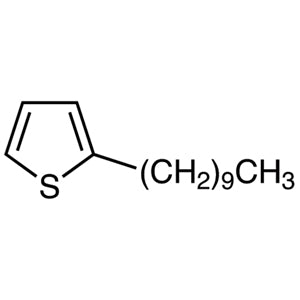
2-Decylthiophene TCI D5240
Regular price From Rp 1.538.250,00Regular price -
2,5-Dibromo-3-decylthiophene TCI D4572
Regular price From Rp 1.829.100,00Regular price -
9-Benzyl-2,7-dibromo-9H-carbazole TCI B5462
Regular price From Rp 2.862.300,00Regular price -
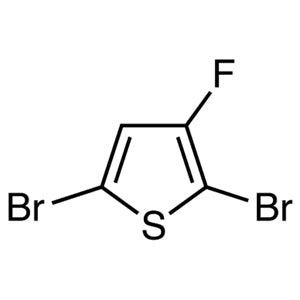
2,5-Dibromo-3-fluorothiophene TCI D5729
Regular price From Rp 3.896.550,00Regular price -
2,7-Dibromo-9-phenyl-9H-fluoren-9-ol TCI D5448
Regular price From Rp 1.749.300,00Regular price -
3,6-Dibromo-9-(m-tolyl)-9H-carbazole TCI D5424
Regular price Rp 2.466.450,00Regular price -
3,6-Dibromo-9-(3,5-dimethylphenyl)-9H-carbazole TCI D5421
Regular price From Rp 1.060.500,00Regular price