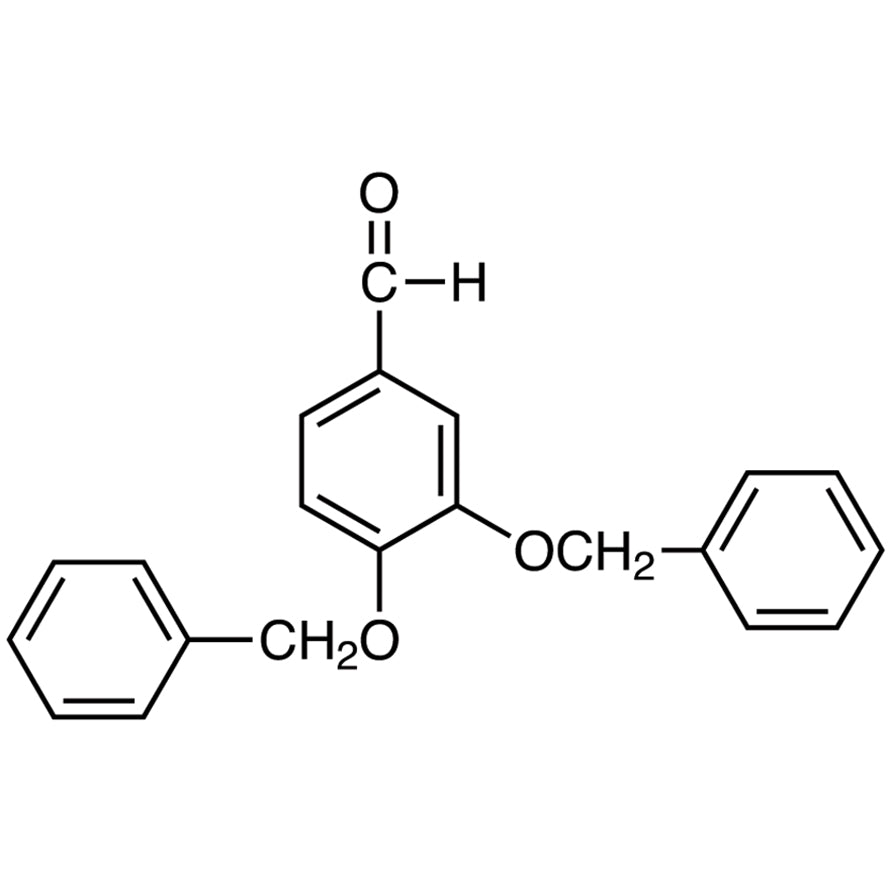
TCI D4079, CAS 5447-02-9, is 3,4-Dibenzyloxybenzaldehyde, an aromatic aldehyde belonging to the group of non-heterocyclic building blocks. The compound is essentially a derivative of protocatechualdehyde (3,4-dihydroxybenzaldehyde) in which both phenolic hydroxyl groups have been protected as benzyl ethers. This double protection makes the catechol core far more stable toward oxidation and prevents it from interfering with other reactions, while the aldehyde group at the para position remains available as the principal reactive centre for a wide range of organic transformations in the synthesis laboratory.
The reason this compound is so frequently chosen lies in a protection strategy that fits multi-step synthetic routes particularly well. Benzyl ethers are resistant to bases, nucleophiles, and many organometallic reagents, yet they can be removed cleanly by catalytic hydrogenolysis over palladium on carbon, so the free catechol can be unmasked precisely at the final stage of a synthesis. The aromatic formyl group, meanwhile, enters readily into aldol, Wittig, Horner–Wadsworth–Emmons, and Knoevenagel condensations, reductive amination, and reduction to the corresponding benzylic alcohol. As a solid, the material is also convenient to weigh and handle.
In Indonesian laboratories, this building block is typically used in university and institutional organic synthesis groups, in natural-product and medicinal-chemistry research where catechol-bearing target molecules are assembled step by step, and in method-development work that requires a dependable, well-defined aromatic aldehyde. It is equally suited to teaching-level advanced synthesis practicals and to research groups preparing intermediates for further functionalisation, where a protected catechol scaffold saves several handling steps.
- Multi-step organic synthesis — the benzyl-protected catechol core survives basic, nucleophilic, and organometallic conditions, letting chemists build complexity before unmasking the diol at the end of the route.
- Olefination chemistry (Wittig and Horner–Wadsworth–Emmons) — the aromatic formyl group reacts cleanly with phosphorus ylides and phosphonate carbanions to construct styrenyl and stilbenoid frameworks on a protected aromatic ring.
- Knoevenagel and aldol condensation work — the para-positioned aldehyde offers a well-defined electrophilic centre for carbon–carbon bond formation with active methylene compounds and enolisable partners.
- Reductive amination toward benzylamine derivatives — the aldehyde condenses with primary or secondary amines and is reduced in situ, giving access to amine intermediates while the catechol stays protected.
- Preparation of catechol-containing target molecules — catalytic hydrogenolysis over palladium on carbon removes both benzyl groups cleanly at the final stage, revealing the free 3,4-dihydroxy motif without disturbing the rest of the molecule.
| Brand | TCI |
|---|---|
| CAS number | 5447-02-9 |
| Molecular formula | — |
| Purity | — |
| Category | Chemistry > Building Blocks > Non-Heterocyclic Building Blocks |
| Pack sizes | available in the standard research-scale pack sizes offered for this catalogue item; please refer to the current TCI catalogue listing |
| Physical form | solid |
| Storage | store in a tightly closed container in a cool, dry, well-ventilated place, protected from light and moisture |
- Chemical name: 3,4-Dibenzyloxybenzaldehyde
Keep the container tightly closed and store it in a cool, dry, well-ventilated area away from direct sunlight, heat sources, and strong oxidising agents. Original supplier packaging or amber glass bottles with chemically resistant closures are the most suitable containers, and desiccated storage helps limit moisture uptake by this solid. Weigh and transfer the material in a fume hood, using a laboratory coat, chemical safety goggles, and appropriate chemical-resistant gloves. Avoid generating dust, avoid contact with skin and eyes, and wash hands thoroughly after handling. Label secondary containers clearly, keep the manufacturer's safety data sheet accessible to all users, and dispose of residues and contaminated materials as chemical waste according to institutional and local regulations.
—
Produk Terkait
-
3,5-Dibenzyloxybenzaldehyde TCI D3184
Regular price From Rp 769.650,00Regular price -
2-BenzyloxybenzoicAcid TCI B4766
Regular price From Rp 1.326.150,00Regular price -
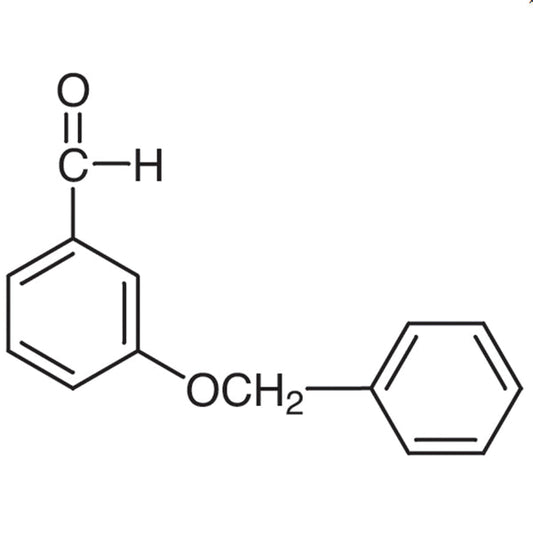
3-Benzyloxybenzaldehyde TCI B2400
Regular price Rp 1.856.400,00Regular price -
4-BenzyloxybenzoicAcid TCI B1665
Regular price From Rp 1.485.750,00Regular price -
2-Benzyloxybenzaldehyde TCI B1653
Regular price From Rp 505.050,00Regular price -
4-Benzyloxybenzaldehyde TCI B1325
Regular price Rp 1.353.450,00Regular price -
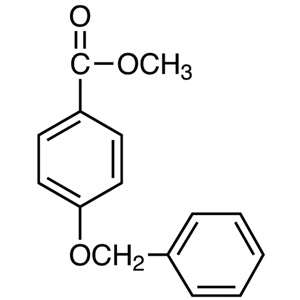
Methyl4-Benzyloxybenzoate TCI M2180
Regular price From Rp 1.115.100,00Regular price -
4-Benzyloxybenzophenone TCI B4504
Regular price From Rp 1.035.300,00Regular price