4-Benzyloxybenzophenone (TCI B4504) is a chemical compound widely used as a building block in the synthesis of complex molecules. It serves as a key intermediate in organic chemistry, enabling the creation of various functional groups through controlled chemical reactions. This compound is particularly valuable in laboratory settings where precision and reactivity are essential. Its structure consists of a benzophenone core with a benzyloxy group attached, making it versatile for multiple synthetic pathways. Due to its stability and reactivity, it is a preferred choice for researchers aiming to develop new compounds with specific properties.
The compound’s unique molecular structure contributes to its effectiveness in synthetic applications. It exhibits high reactivity while maintaining chemical stability under normal conditions, which simplifies handling and storage. The presence of the benzyloxy group allows for targeted chemical modifications, enhancing the specificity of reactions. This makes it ideal for applications requiring controlled substitution or condensation reactions. Its resistance to degradation under standard laboratory conditions also ensures consistent performance in various experimental setups.
In Indonesian laboratories, 4-Benzyloxybenzophenone is commonly used in organic chemistry research, especially in the synthesis of aromatic compounds and substitution reactions. It is a staple in academic and industrial research settings where the development of new chemical entities is a priority. Its role in creating novel compounds for pharmaceutical and industrial applications makes it an essential reagent for many research projects in Indonesia.
- Aromatic Compound Synthesis: This compound is ideal for creating aromatic structures due to its benzophenone core and benzyloxy group, enabling controlled functional group introduction.
- Organic Reaction Intermediate: Its reactivity and stability make it a preferred choice for substitution and condensation reactions in synthetic pathways.
- Pharmaceutical Research: Used in the development of new drug molecules, its structural versatility supports the creation of bioactive compounds.
- Industrial Chemistry Applications: It is employed in the synthesis of specialty chemicals, offering a reliable building block for complex molecular designs.
- Academic Research Projects: Widely used in Indonesian universities and research institutions for teaching and experimental studies in organic chemistry.
| Brand | TCI |
|---|---|
| CAS number | 54589-41-2 |
| Molecular formula | — |
| Purity | — |
| Category | Chemistry > Building Blocks > Non-Heterocyclic Building Blocks |
| Pack sizes | Available in standard laboratory quantities |
| Physical form | Solid |
| Storage | Store in a cool, dry place away from light and moisture |
4-Benzyloxybenzophenone should be stored in a cool, dry environment, away from direct light and moisture to maintain its chemical integrity. It is recommended to use airtight containers made of glass or high-density polyethylene to prevent contamination and degradation. Due to its reactivity, it should be handled with care, using appropriate personal protective equipment such as gloves and safety goggles. Avoid exposure to strong oxidizing agents or incompatible substances. Proper labeling of storage containers is essential for safe handling and easy identification. Regular inspection of storage conditions ensures the compound remains suitable for use in laboratory applications.
—
Produk Terkait
-
2-BenzyloxybenzoicAcid TCI B4766
Regular price From Rp 1.378.650,00Regular priceRp 979.650,00Sale price From Rp 1.378.650,00 -
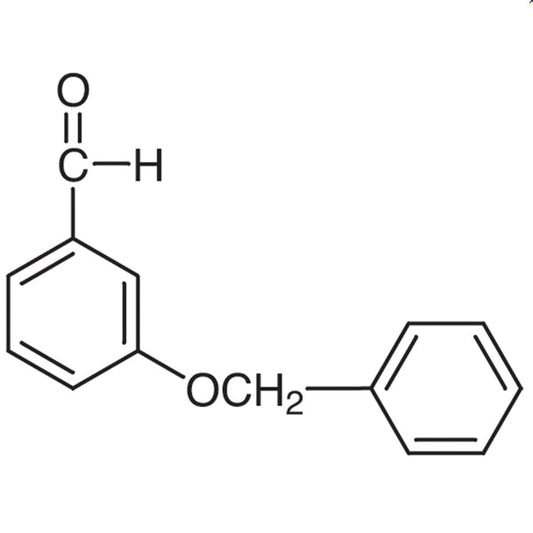
3-Benzyloxybenzaldehyde TCI B2400
Regular price Rp 1.856.400,00Regular priceRp 1.297.800,00Sale price Rp 1.856.400,00 -
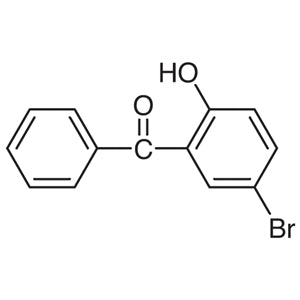
5-Bromo-2-hydroxybenzophenone TCI B2341
Regular price Rp 2.013.900,00Regular priceRp 1.423.800,00Sale price Rp 2.013.900,00 -
4-BenzyloxybenzoicAcid TCI B1665
Regular price From Rp 1.538.250,00Regular priceRp 1.090.950,00Sale price From Rp 1.538.250,00 -
2-Benzyloxybenzaldehyde TCI B1653
Regular price From Rp 505.050,00Regular priceRp 352.800,00Sale price From Rp 505.050,00 -
4-Benzyloxybenzaldehyde TCI B1325
Regular price Rp 1.353.450,00Regular priceRp 946.050,00Sale price Rp 1.353.450,00 -
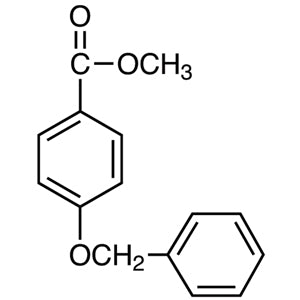
Methyl4-Benzyloxybenzoate TCI M2180
Regular price From Rp 1.167.600,00Regular priceRp 831.600,00Sale price From Rp 1.167.600,00 -
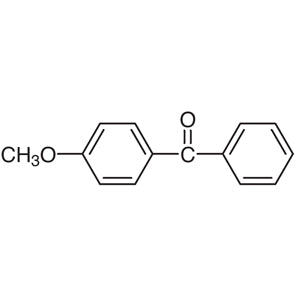
4-Methoxybenzophenone TCI M0357
Regular price Rp 1.167.600,00Regular priceRp 831.600,00Sale price Rp 1.167.600,00