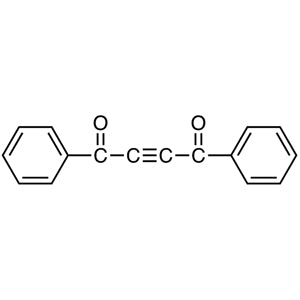
TCI D4699, CAS number 1087-09-8, is 1,4-Diphenyl-2-butyne-1,4-dione, a non-heterocyclic building block with a symmetrical structure consisting of a carbon–carbon triple bond flanked by two benzoyl groups at both ends. Compounds of this class are known as ynediones, or doubly conjugated alkynes, and belong to the family of highly reactive starting materials in synthetic organic chemistry. In the laboratory, this compound serves as a versatile substrate for constructing heterocyclic rings and conjugated systems, because a single molecule already provides three mutually reinforcing electrophilic centres: two carbonyls and one activated alkyne.
The characteristic that makes this material a preferred choice is the exceptionally high degree of activation of its triple bond. Because it is flanked by two electron-withdrawing carbonyl groups, the alkyne in this compound is far more susceptible to nucleophilic attack than an ordinary alkyne, allowing conjugate addition reactions to proceed under mild conditions. This combination of dione and alkyne functionality enables one-step cyclization reactions with a wide range of bifunctional reagents such as hydrazine, amidines, urea, or amines, producing pyrrole, pyrazole, furan, and related derivatives.
In Indonesian laboratories, TCI D4699 is typically used in synthetic organic chemistry research at universities and research institutes, as well as in method development for heterocyclic chemistry. It is normally handled at bench scale for exploratory reactions, small-scale synthesis of building blocks, and preparation of conjugated scaffolds, where a single reactive intermediate can be diversified into several ring systems. Its role as a starting material makes it suited to research groups working on new synthetic routes rather than routine analysis.
Related TCI products
- TCI B2087 1573-17-7 1,4-Diacetoxy-2-butyne
- TCI T3799 15968-37-3 1,3,4,6-Tetrakis(butoxymethyl)tetrahydroimidazo[4,5-d]imidazole-2,5(1H,3H)-dione
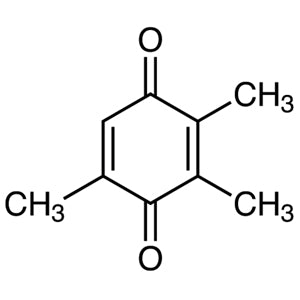
- TCI T3768 935-92-2 2,3,5-Trimethylcyclohexa-2,5-diene-1,4-dione
- TCI T3297 5395-50-6 1,3,4,6-Tetrakis(hydroxymethyl)tetrahydroimidazo[4,5-d]imidazole-2,5(1H,3H)-dione
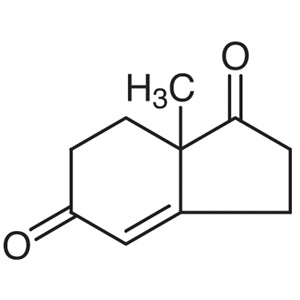
- TCI T2635 19576-08-0 2,3,7,7a-Tetrahydro-7a-methyl-1H-indene-1,5(6H)-dione
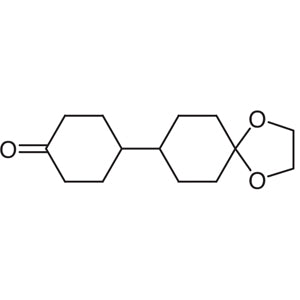
- TCI B3405 56309-94-5 Bicyclohexane-4,4'-dione Monoethylene Ketal
- Heterocyclic ring synthesis — the combined dione and activated alkyne functionality allows one-step cyclization with bifunctional reagents to build pyrrole, pyrazole, and furan rings.
- Conjugate addition chemistry — the triple bond flanked by two electron-withdrawing carbonyl groups accepts nucleophiles readily, so additions can be run under mild laboratory conditions.
- Conjugated system construction — the symmetrical benzoyl–alkyne–benzoyl framework provides an extended conjugated backbone useful for preparing larger conjugated molecular scaffolds in research.
- Multi-centre electrophilic substrate studies — three electrophilic centres in one molecule let researchers examine selectivity and reaction sequence between the two carbonyls and the alkyne.
- Synthetic methodology development — as a highly reactive ynedione starting material, it is well suited to exploratory work on new routes toward heterocyclic and conjugated derivatives.
| Brand | TCI (Tokyo Chemical Industry) |
|---|---|
| CAS number | 1087-09-8 |
| Molecular formula | — |
| Purity | — |
| Category | Chemistry > Building Blocks > Non-Heterocyclic Building Blocks |
| Pack sizes | available in standard TCI research and laboratory pack sizes; please confirm the required size when ordering |
| Physical form | — |
| Storage | keep in the original tightly closed container under the storage conditions stated on the manufacturer's label and Safety Data Sheet |
- Chemical name: 1,4-Diphenyl-2-butyne-1,4-dione
Store this material in its original tightly closed container in a cool, dry, well-ventilated area away from heat, ignition sources, moisture, and incompatible substances, following the storage conditions given on the manufacturer's label and Safety Data Sheet. Because it is a highly reactive electrophilic building block, avoid unintended contact with nucleophilic reagents such as amines and hydrazine outside of controlled reactions. Handle in a fume hood using appropriate personal protective equipment, including safety glasses, gloves, and a laboratory coat, and keep containers clearly labelled. Avoid generating dust, close containers immediately after use, and consult the Safety Data Sheet before first handling and for waste disposal.
—
Produk Terkait
-
1,4-Diacetoxy-2-butyne TCI B2087
Regular price Rp 3.155.250,00Regular price -
1,3,4,6-Tetrakis(butoxymethyl)tetrahydroimidazo[4,5-d]imidazole-2,5(1H,3H)-dione TCI T3799
Regular price Rp 5.141.850,00Regular price -
2,3,5-Trimethylcyclohexa-2,5-diene-1,4-dione TCI T3768
Regular price Rp 3.949.050,00Regular price -
1,3,4,6-Tetrakis(hydroxymethyl)tetrahydroimidazo[4,5-d]imidazole-2,5(1H,3H)-dione TCI T3297
Regular price From Rp 1.035.300,00Regular price -
2,3,7,7a-Tetrahydro-7a-methyl-1H-indene-1,5(6H)-dione TCI T2635
Regular price From Rp 2.306.850,00Regular price -
Bicyclohexane-4,4'-dioneMonoethyleneKetal TCI B3405
Regular price From Rp 717.150,00Regular price -
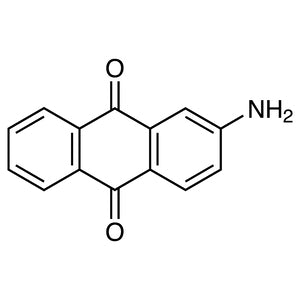
2-Aminoanthracene-9,10-dione TCI A3556
Regular price Rp 3.683.400,00Regular price -
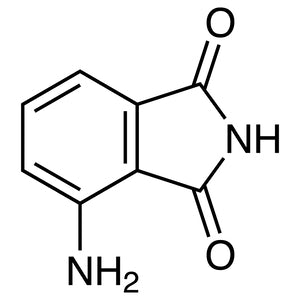
4-Aminoisoindoline-1,3-dione TCI A3555
Regular price From Rp 2.359.350,00Regular price

![15968-37-3 1,3,4,6-Tetrakis(butoxymethyl)tetrahydroimidazo[4,5-d]imidazole-2,5(1H,3H)-dione - AMI Scientific](http://amiscientific.com/cdn/shop/files/TCI2510T3799.jpg?v=1769058295&width=533)
![5395-50-6 1,3,4,6-Tetrakis(hydroxymethyl)tetrahydroimidazo[4,5-d]imidazole-2,5(1H,3H)-dione - AMI Scientific](http://amiscientific.com/cdn/shop/files/TCI2510T3297.jpg?v=1769181342&width=533)