1,4-Diacetoxy-2-butyne is a chemical compound widely used as a building block in the synthesis of complex organic molecules. Its unique structure, featuring a triple bond between carbon atoms, allows for highly specific and efficient chemical reactions. This compound is essential in organic chemistry laboratories, where it serves as a key reagent in the development of new compounds with tailored properties. Its versatility makes it a valuable asset for researchers working on advanced synthetic pathways.
The reactivity of 1,4-Diacetoxy-2-butyne is primarily due to its triple bond, which enables participation in various chemical transformations such as hydration, hydrogenation, and metal-based reactions. This high reactivity, combined with its stability under controlled conditions, makes it a preferred choice for synthetic chemists. Its ability to undergo a wide range of reactions makes it suitable for applications in both academic and industrial research settings.
In Indonesian laboratories, 1,4-Diacetoxy-2-butyne is commonly used in organic chemistry research, particularly in projects involving the synthesis of complex molecules. It is also utilized in pharmaceutical and materials science research due to its capacity to participate in diverse chemical reactions. Its availability in solid form and ease of handling make it a practical choice for laboratory use in Indonesia.
- Organic synthesis projects benefit from the compound’s reactivity and versatility in forming complex molecular structures.
- Pharmaceutical research utilizes the compound in the development of new drug molecules through efficient synthetic pathways.
- Materials science applications rely on its ability to participate in diverse chemical reactions for creating advanced materials.
- Heterocyclic compound synthesis is enhanced by its triple bond, allowing for precise and efficient reaction conditions.
- Industrial chemical processes take advantage of its stability and reactivity for large-scale synthesis of functional compounds.
| Brand | TCI |
|---|---|
| CAS number | 1573-17-7 |
| Molecular formula | — |
| Purity | — |
| Category | Chemistry > Building Blocks > Non-Heterocyclic Building Blocks |
| Pack sizes | Available in standard laboratory quantities |
| Physical form | Solid |
| Storage | — |
This compound should be stored in a cool, dry place away from direct sunlight and sources of heat. It is recommended to use airtight containers to prevent exposure to moisture and air, which may affect its stability. Due to its reactivity, it should be handled in a well-ventilated area and with appropriate personal protective equipment. Avoid contact with incompatible materials such as strong oxidizing agents. Regular monitoring of storage conditions ensures the compound remains in optimal condition for laboratory use.
—
Produk Terkait
-
cis-1,4-Diacetoxy-2-butene TCI D1358
Regular price From Rp 1.431.150,00Regular priceRp 1.000.650,00Sale price From Rp 1.431.150,00 -
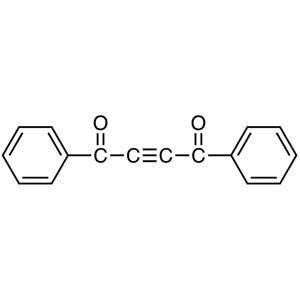
1,4-Diphenyl-2-butyne-1,4-dione TCI D4699
Regular price From Rp 2.916.900,00Regular priceRp 2.039.100,00Sale price From Rp 2.916.900,00 -
4-Bromo-1-butyne TCI B3242
Regular price Rp 2.359.350,00Regular priceRp 1.649.550,00Sale price Rp 2.359.350,00 -
1-Bromo-2-butyne TCI B2190
Regular price From Rp 1.035.300,00Regular priceRp 723.450,00Sale price From Rp 1.035.300,00 -
1,4-Bis(2-hydroxyethoxy)-2-butyne TCI B0979
Regular price Rp 2.173.500,00Regular priceRp 1.535.100,00Sale price Rp 2.173.500,00 -
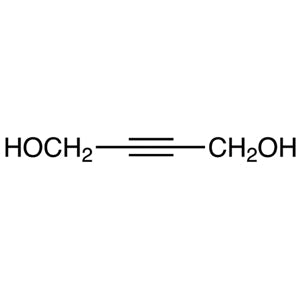
2-Butyne-1,4-diol TCI B0749
Regular price From Rp 717.150,00Regular priceRp 516.600,00Sale price From Rp 717.150,00