2-Butyne is a chemical compound classified within the category of building blocks, specifically non-heterocyclic compounds. It is a versatile reagent used in organic synthesis to construct complex molecular structures. Its unique structure, featuring a triple bond between two carbon atoms, makes it a valuable tool for chemists seeking to manipulate molecular frameworks. In the laboratory, 2-Butyne serves as a precursor for the synthesis of various organic compounds, including alkenes and alkanes. Its reactivity and structural simplicity allow it to participate in a wide range of chemical transformations, making it an essential component in synthetic pathways.
The high reactivity of 2-Butyne, particularly at the triple bond site, enables it to undergo numerous chemical reactions. It readily reacts with reagents such as alkali metals, alkaline earth metals, and halogenating agents. This reactivity makes it ideal for substitution, hydration, and catalytic reactions. Its ability to form new bonds with various reagents enhances its utility in both academic and industrial research settings. Additionally, its chemical properties allow it to be used in multiple synthetic strategies, contributing to the development of new compounds and materials.
In Indonesian laboratories, 2-Butyne is commonly used in organic synthesis research. It is a key reagent in the development of complex organic molecules, supporting both academic and industrial chemical research. Its availability and reactivity make it a preferred choice for chemists working on synthetic projects. The compound is widely used in laboratories across Indonesia for its effectiveness in creating new chemical structures and advancing chemical research.
- Organic synthesis is a primary application where 2-Butyne is used to build complex molecular structures through various reaction mechanisms.
- Alkene synthesis benefits from 2-Butyne due to its ability to undergo hydrogenation and other reactions that yield alkenes.
- Catalytic reactions often utilize 2-Butyne as a reactive intermediate, enabling the formation of new chemical bonds under controlled conditions.
- Halogenation processes take advantage of 2-Butyne’s reactivity to introduce halogen atoms into organic molecules efficiently.
- Polymerization studies may incorporate 2-Butyne to create specialized polymers with unique structural and functional properties.
| Brand | TCI |
|---|---|
| CAS number | 503-17-3 |
| Molecular formula | — |
| Purity | — |
| Category | Chemistry > Building Blocks > Non-Heterocyclic Building Blocks |
| Pack sizes | 500g, 1kg |
| Physical form | Liquid |
| Storage | Store in a cool, dark place away from heat and direct sunlight |
2-Butyne should be stored in a cool, dark place, away from heat and direct sunlight. It is recommended to keep it in a tightly sealed container to prevent evaporation due to its volatile nature. The container should be made of a material that is chemically inert, such as glass or stainless steel, to avoid any unwanted reactions. Due to its high reactivity, it should be handled with care, using appropriate personal protective equipment. In laboratory settings, it should be stored in a well-ventilated area to minimize exposure to vapors. Always ensure that the storage area is secure and inaccessible to unauthorized personnel.
—
Produk Terkait
-
3,3-Dimethyl-1-butyne TCI B1114
Regular price From Rp 3.446.100,00Regular priceRp 2.409.750,00Sale price From Rp 3.446.100,00 -
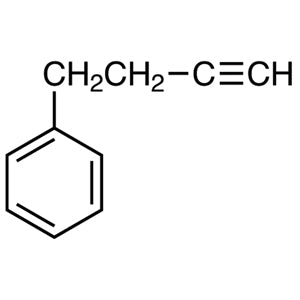
4-Phenyl-1-butyne TCI P0358
Regular price Rp 2.359.350,00Regular priceRp 1.649.550,00Sale price Rp 2.359.350,00 -
1-Phenyl-1-butyne TCI P0357
Regular price Rp 1.485.750,00Regular priceRp 1.038.450,00Sale price Rp 1.485.750,00 -
4-Bromo-1-butyne TCI B3242
Regular price Rp 2.359.350,00Regular priceRp 1.649.550,00Sale price Rp 2.359.350,00 -
1-Bromo-2-butyne TCI B2190
Regular price From Rp 1.035.300,00Regular priceRp 723.450,00Sale price From Rp 1.035.300,00 -
1,4-Diacetoxy-2-butyne TCI B2087
Regular price Rp 3.207.750,00Regular priceRp 2.258.550,00Sale price Rp 3.207.750,00 -
1,4-Bis(2-hydroxyethoxy)-2-butyne TCI B0979
Regular price Rp 2.173.500,00Regular priceRp 1.535.100,00Sale price Rp 2.173.500,00 -
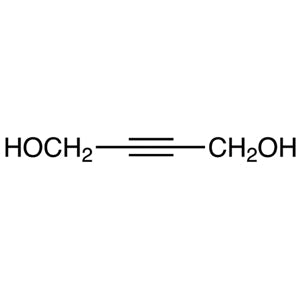
2-Butyne-1,4-diol TCI B0749
Regular price From Rp 717.150,00Regular priceRp 516.600,00Sale price From Rp 717.150,00