3,3-Dimethyl-1-butyne is an organic compound classified as an alkyne. It serves as a fundamental building block in organic chemistry, playing a crucial role in the synthesis of complex molecules. In laboratory settings, this compound is widely used for constructing larger molecular structures through various chemical reactions such as hydration, hydrogenation, and reactions with metals. Its versatility makes it a valuable resource for researchers aiming to design and develop new chemical compounds.
The compound’s triple bond between carbon atoms contributes to its high reactivity, making it ideal for reactions requiring efficiency and speed. This reactivity, combined with its ability to participate in multiple chemical transformations, positions it as a preferred choice for synthetic chemists. Additionally, its chemical stability under certain conditions simplifies storage and handling, ensuring consistent performance in laboratory applications.
In Indonesian laboratories, 3,3-Dimethyl-1-butyne is extensively used in organic chemistry research, the development of new compounds, and the production of industrial chemicals. It is a key component in various projects aimed at advancing chemical science and innovation. Its reliability and effectiveness make it a staple in both academic and industrial research environments.
TCI brochures (PDF)
- Click Chemistry 2026-09-08 · p. 10
- Organic synthesis projects benefit from 3,3-Dimethyl-1-butyne due to its reactivity and ability to form complex molecular structures through various chemical reactions.
- It is ideal for developing new compounds in pharmaceutical and chemical research, offering a versatile starting point for molecular design.
- The compound supports industrial chemical production by serving as a foundational material in the creation of specialized chemical products.
- In academic research settings, it is used to explore reaction mechanisms and improve synthetic methodologies.
- It is commonly applied in metal-catalyzed reactions, where its triple bond facilitates efficient and selective chemical transformations.
| Brand | TCI |
|---|---|
| CAS number | 917-92-0 |
| Molecular formula | — |
| Purity | — |
| Category | Chemistry > Building Blocks > Non-Heterocyclic Building Blocks |
| Pack sizes | Available in standard laboratory quantities as per supplier specifications |
| Physical form | Liquid |
| Storage | Store in a cool, dry place away from direct sunlight and incompatible materials |
3,3-Dimethyl-1-butyne should be stored in a cool, dry environment to maintain its chemical stability. It is recommended to use sealed containers made of materials compatible with organic solvents to prevent contamination and evaporation. Due to its reactivity, it should be kept away from strong oxidizing agents and reactive metals. Proper ventilation is essential when handling the compound to minimize exposure to vapors. Laboratory personnel should wear appropriate personal protective equipment, including gloves and safety goggles, to ensure safe handling. Regular inspection of storage conditions and container integrity is advised to maintain the compound’s quality and safety.
—
Product Categories
Produk Terkait
-
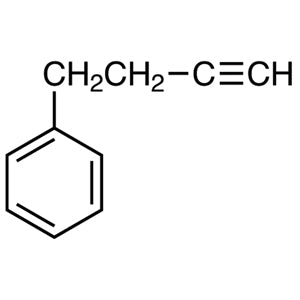
4-Phenyl-1-butyne TCI P0358
Regular price Rp 2.359.350,00Regular priceRp 1.649.550,00Sale price Rp 2.359.350,00 -
4-Bromo-1-butyne TCI B3242
Regular price Rp 2.359.350,00Regular priceRp 1.649.550,00Sale price Rp 2.359.350,00 -
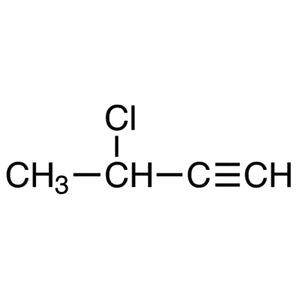
3-Chloro-1-butyne TCI C1195
Regular price From Rp 7.234.500,00Regular priceRp 5.058.900,00Sale price From Rp 7.234.500,00 -
2-Butyne TCI B0951
Regular price Rp 1.405.950,00Regular priceRp 982.800,00Sale price Rp 1.405.950,00 -
1-Phenyl-1-butyne TCI P0357
Regular price Rp 1.485.750,00Regular priceRp 1.038.450,00Sale price Rp 1.485.750,00 -
1,3,5-Triethynylbenzene TCI T2760
Regular price From Rp 3.578.400,00Regular priceRp 2.502.150,00Sale price From Rp 3.578.400,00 -
1-Butyl-4-ethynylbenzene TCI B2301
Regular price From Rp 980.700,00Regular priceRp 685.650,00Sale price From Rp 980.700,00 -
1-Tetradecyne TCI T0761
Regular price From Rp 1.273.650,00Regular priceRp 890.400,00Sale price From Rp 1.273.650,00