4-Phenyl-1-butyne is an organic compound widely used in synthetic chemistry reactions, particularly in the formation of complex aromatic compounds. This material serves as a versatile building block in laboratory settings, offering a unique combination of reactivity and structural versatility. Its molecular structure consists of a butyne chain connected to a phenyl group, making it a key component in the synthesis of both heterocyclic and non-heterocyclic compounds. Due to its ability to participate in various chemical reactions, it is highly valued by researchers and scientists working in organic chemistry.
The compound's reactivity and ability to undergo multiple reaction pathways make it a preferred choice for synthetic chemists. It is known for its stability under controlled conditions and its capacity to form more complex molecules through different reaction mechanisms. These properties allow it to be used in a variety of experimental setups, from coupling reactions to substitution and hydration processes. Its flexibility in chemical transformations makes it an essential tool in the development of new compounds and molecular modifications.
In Indonesian laboratories, 4-Phenyl-1-butyne is commonly used in research focused on the synthesis of new compounds and molecular modifications. It is a popular choice for studies involving organic synthesis, particularly in academic and industrial research settings. Its availability and reliability make it a go-to material for chemists looking to explore the potential of reactive building blocks in their experiments.
- Synthetic chemistry research - This item is ideal for synthetic chemistry due to its reactivity and ability to form complex aromatic structures through various reaction mechanisms.
- Coupling reactions - Its molecular structure allows it to participate effectively in coupling reactions, making it suitable for the synthesis of new organic compounds.
- Molecular modification studies - The compound's versatility enables it to be used in the modification of existing molecular frameworks, supporting advanced research in chemical synthesis.
- Aromatic compound synthesis - Its phenyl group makes it a valuable reagent for the creation of complex aromatic compounds in laboratory settings.
- Organic reaction development - The compound's participation in multiple reaction types makes it a key material for developing and testing new synthetic methodologies.
| Brand | TCI |
|---|---|
| CAS number | 16520-62-0 |
| Molecular formula | — |
| Purity | — |
| Category | Chemistry > Building Blocks > Non-Heterocyclic Building Blocks |
| Pack sizes | Available in various quantities as per supplier specifications |
| Physical form | Liquid or solid, depending on the specific product variant |
| Storage | Store in a cool, dry place away from direct sunlight and incompatible materials |
4-Phenyl-1-butyne should be stored in a cool, dry environment to maintain its stability and prevent degradation. It is recommended to use airtight containers made of glass or inert materials to avoid any chemical interactions. Due to its reactivity, it should be kept away from strong oxidizing agents and moisture. Proper labeling and secure storage are essential to ensure safe handling in the laboratory. Always follow standard safety protocols when working with reactive organic compounds, and ensure adequate ventilation in the workspace. Regular monitoring of storage conditions is advised to maintain the integrity of the compound throughout its shelf life.
—
Produk Terkait
-
TCI B5774 5,10-Bis(4,4,5,5-tetramethyl-1,3,2-dioxaborolan-2-yl)naphtho[1,2-c:5,6-c']bis([1,2,5]oxadiazole)
Regular price Rp 10.255.350,00Regular price -
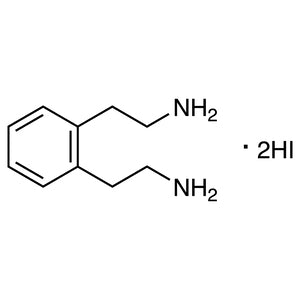
Dihydroiodide TCI B6569
Regular price From Rp 1.936.200,00Regular price -
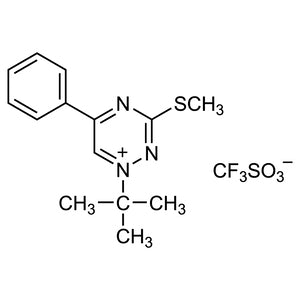
Trifluoromethanesulfonate TCI B7003
Regular price From Rp 1.936.200,00Regular price
![5,10-Bis(4,4,5,5-tetramethyl-1,3,2-dioxaborolan-2-yl)naphtho[1,2-c:5,6-c']bis([1,2,5]oxadiazole) - TCI B5774 - AMI Scientific](http://amiscientific.com/cdn/shop/files/TCI2510B5774.jpg?v=1769180228&width=533)