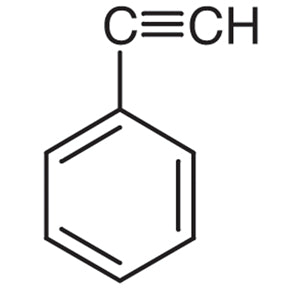
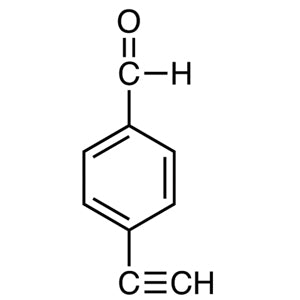
1-Butyl-4-ethynylbenzene is a chemical compound widely used as a building block in the synthesis of complex molecules. It is a versatile reagent that plays a crucial role in organic chemistry laboratories, particularly in the development of new compounds with specific structural features. Its aromatic structure, combined with the presence of both ethynyl and butyl groups, makes it an essential component in various synthetic pathways. This compound is commonly utilized in research settings where the creation of novel organic and heterocyclic compounds is required.
The unique reactivity of 1-Butyl-4-ethynylbenzene stems from its molecular structure, which allows for a wide range of chemical reactions, including substitution, addition, and catalytic processes. These properties make it a preferred choice for chemists aiming to modify molecular frameworks or introduce functional groups into complex molecules. Its stability under certain conditions further enhances its usability, ensuring consistent performance in laboratory experiments. This compound is particularly valuable in the development of pharmaceuticals and advanced materials.
In Indonesian laboratories, 1-Butyl-4-ethynylbenzene is frequently used in organic chemistry research, especially in projects involving the synthesis of complex compounds and molecular structure modifications. It is a key reagent in the study of heterocyclic compounds, which are essential in drug development and material science. Many research institutions and universities in Indonesia rely on this compound to advance their scientific investigations and innovation in various chemical fields.
TCI brochures (PDF)
- Reagent for Incorporating a Protecting Group (Ph2P(O)) into Terminal Acetylenes 2025-06-03 · p. 2
- Click Chemistry 2026-09-08 · p. 12
- Synthesis of heterocyclic compounds for pharmaceutical development due to its reactivity and structural versatility.
- Organic synthesis of complex molecules requiring functional group modification and structural diversity.
- Research in material science for the creation of advanced polymers and functional materials.
- Development of new chemical entities in drug discovery programs through targeted molecular design.
- Structural modification studies to explore new chemical properties and reactivity patterns.
| Brand | TCI |
|---|---|
| CAS number | 79887-09-5 |
| Molecular formula | — |
| Purity | — |
| Category | Chemistry > Building Blocks > Non-Heterocyclic Building Blocks |
| Pack sizes | Available in standard laboratory quantities as per supplier specifications |
| Physical form | Liquid |
| Storage | Store in a cool, dry place away from light and incompatible materials |
1-Butyl-4-ethynylbenzene should be stored in a cool, dry environment, away from direct sunlight and sources of heat. It is recommended to use airtight containers made of materials compatible with organic solvents to prevent contamination and evaporation. The compound should be kept away from incompatible substances such as strong oxidizing agents or reactive metals. In laboratory settings, proper ventilation is essential to minimize exposure. Always handle the compound with appropriate personal protective equipment, including gloves and safety goggles. Regular monitoring of storage conditions ensures the compound remains stable and suitable for use in chemical synthesis and research applications.
—
Product Categories
Produk Terkait
-
1,4-Diethynylbenzene TCI D2151
Regular price From Rp 1.485.750,00Regular priceRp 1.038.450,00Sale price From Rp 1.485.750,00 -
1-Ethyl-4-ethynylbenzene TCI E0749
Regular price From Rp 3.551.100,00Regular priceRp 2.483.250,00Sale price From Rp 3.551.100,00 -
Ethynylbenzene TCI E0196
Regular price From Rp 1.405.950,00Regular priceRp 982.800,00Sale price From Rp 1.405.950,00 -
1,3,5-Triethynylbenzene TCI T2760
Regular price From Rp 3.578.400,00Regular priceRp 2.502.150,00Sale price From Rp 3.578.400,00 -
1-Ethoxy-4-ethynylbenzene TCI E1029
Regular price From Rp 505.050,00Regular priceRp 352.800,00Sale price From Rp 505.050,00 -
1-Ethynyl-4-propylbenzene TCI E0750
Regular price From Rp 1.035.300,00Regular priceRp 723.450,00Sale price From Rp 1.035.300,00 -
1,3-Diethynylbenzene TCI D2496
Regular price From Rp 1.193.850,00Regular priceRp 834.750,00Sale price From Rp 1.193.850,00 -
4-Ethynylbenzaldehyde TCI E0987
Regular price Rp 4.028.850,00Regular priceRp 2.817.150,00Sale price Rp 4.028.850,00