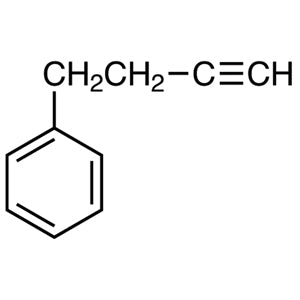
2-Butyne-1,4-diol is a chemical compound widely used in laboratory settings for the synthesis of complex organic molecules. As a building block in organic chemistry, it plays a crucial role in various chemical reactions that require high reactivity and functional group versatility. Its unique molecular structure, containing both an alkyne group and two hydroxyl groups, makes it a valuable tool for chemists aiming to create intricate molecular architectures. This compound is particularly useful in synthetic pathways where multiple functional groups need to be introduced or modified.
The reactivity of 2-Butyne-1,4-diol is primarily due to the presence of the alkyne group, which readily participates in reactions such as hydration, hydrohalogenation, and catalytic processes. This makes it an ideal choice for applications requiring efficient and rapid chemical transformations. Additionally, its solubility in organic solvents facilitates its use in a wide range of experimental procedures, from solution-based syntheses to purification techniques. These properties contribute to its popularity among researchers working in organic chemistry.
In Indonesian laboratories, 2-Butyne-1,4-diol is commonly used in academic and research institutions for the development of new chemical compounds. Its availability and chemical versatility make it a preferred material for students and researchers alike. The compound is frequently employed in experiments that explore the reactivity of functional groups and the synthesis of complex organic structures. Its role in both teaching and research underscores its importance in the chemical sciences.
- Organic synthesis applications benefit from 2-Butyne-1,4-diol's reactivity and functional group versatility, enabling the creation of complex molecular structures through various chemical reactions.
- It is ideal for catalytic processes due to its ability to participate in reactions that require high reactivity and efficient transformation of starting materials.
- The compound is well-suited for hydration and hydrohalogenation reactions, where its alkyne group plays a key role in forming new chemical bonds.
- Its solubility in organic solvents makes it a preferred choice for solution-based synthesis techniques, simplifying the process of chemical reactions and product isolation.
- In research settings, 2-Butyne-1,4-diol is often used to study the behavior of functional groups and their impact on molecular reactivity and stability.
| Brand | TCI |
|---|---|
| CAS number | 110-65-6 |
| Molecular formula | — |
| Purity | — |
| Category | Chemistry > Building Blocks > Non-Heterocyclic Building Blocks |
| Pack sizes | Available in various quantities as per supplier specifications |
| Physical form | Liquid |
| Storage | Store in a cool, dry place away from light and incompatible materials |
2-Butyne-1,4-diol should be stored in a cool, dry place, away from direct sunlight and sources of heat. It is recommended to keep the compound in a tightly sealed container to prevent exposure to air and moisture. Due to its reactivity, it should be stored separately from strong oxidizing agents and incompatible chemicals. In laboratory settings, proper ventilation is essential to ensure safe handling. Always use appropriate personal protective equipment, such as gloves and safety goggles, when working with this compound. The material is best handled in a fume hood to minimize inhalation risks and ensure a safe working environment.
—
Produk Terkait
-
1,4-Bis(2-hydroxyethoxy)-2-butyne TCI B0979
Regular price Rp 2.173.500,00Regular priceRp 1.535.100,00Sale price Rp 2.173.500,00 -
4-Bromo-1-butyne TCI B3242
Regular price Rp 2.359.350,00Regular priceRp 1.649.550,00Sale price Rp 2.359.350,00 -
1-Bromo-2-butyne TCI B2190
Regular price From Rp 1.035.300,00Regular priceRp 723.450,00Sale price From Rp 1.035.300,00 -
1,4-Diacetoxy-2-butyne TCI B2087
Regular price Rp 3.207.750,00Regular priceRp 2.258.550,00Sale price Rp 3.207.750,00 -
3,3-Dimethyl-1-butyne TCI B1114
Regular price From Rp 3.446.100,00Regular priceRp 2.409.750,00Sale price From Rp 3.446.100,00 -
2-Butyne TCI B0951
Regular price Rp 1.405.950,00Regular priceRp 982.800,00Sale price Rp 1.405.950,00 -
4-Phenyl-1-butyne TCI P0358
Regular price Rp 2.359.350,00Regular priceRp 1.649.550,00Sale price Rp 2.359.350,00 -
1-Phenyl-1-butyne TCI P0357
Regular price Rp 1.485.750,00Regular priceRp 1.038.450,00Sale price Rp 1.485.750,00