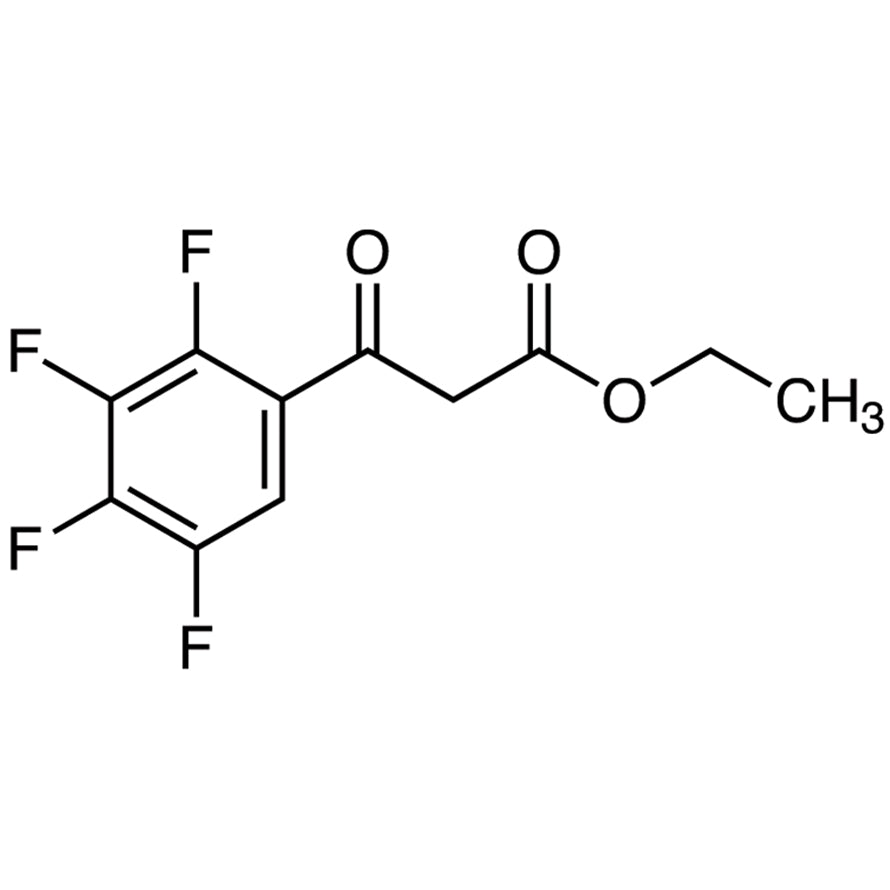
TCI E0759 Ethyl (2,3,4,5-Tetrafluorobenzoyl)acetate is a fluorinated beta-ketoester bearing a benzene ring substituted with four fluorine atoms at the 2, 3, 4, and 5 positions. The compound is a well-established fluorinated building block used in the synthesis of high-performance heterocyclic compounds. In organic chemistry and medicinal chemistry laboratories, this material serves as an entry point toward quinolone frameworks and other fluorinated aromatic derivatives, which is why it frequently appears as a key reagent in convergently designed multi-step synthetic routes.
The property that makes this compound valuable is its beta-ketoester system, which carries an active methylene proton positioned between the ketone and ester carbonyl groups. That proton is readily deprotonated, so the compound is prepared to undergo Claisen condensation, Knoevenagel reactions, alkylation, acylation, and enamine formation. At the same time, the four fluorine atoms on the ring render the aromatic core strongly electron-poor, so nucleophilic aromatic substitution proceeds easily and with clear regiochemical direction. The combination of these two reactivity centres allows new rings to be constructed in a controlled manner within a single efficient reaction sequence.
In Indonesian laboratories, this compound is used in synthetic and medicinal chemistry work where fluorinated heterocyclic scaffolds are the target. It typically appears in university research groups, pharmaceutical development laboratories, and contract synthesis facilities running multi-step routes. Because it functions as an intermediate rather than an end product, it is normally ordered in support of a defined synthetic plan and handled alongside standard bases, solvents, and coupling reagents used in ring-forming chemistry.
Related TCI products
- TCI T1855 94695-48-4 2,3,4,5-Tetrafluorobenzoyl Chloride
- TCI T1868 157373-08-5 2,3,4-Trifluorobenzoyl Chloride
- TCI T1653 88419-56-1 2,4,5-Trifluorobenzoyl Chloride
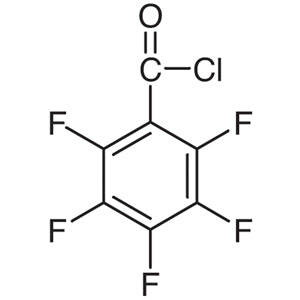
- TCI P0807 2251-50-5 Pentafluorobenzoyl Chloride
- TCI F0987 4640-67-9 4-Fluorobenzoylacetonitrile
- TCI F0476 149437-76-3 4-(4-Fluorobenzoyl)butyric Acid
- Quinolone scaffold synthesis — the active methylene and electron-poor fluorinated ring together supply both the carbon nucleophile and the substitution site needed to close the quinolone core.
- Fluorinated heterocycle construction — the tetrafluorinated aromatic system directs nucleophilic aromatic substitution, allowing new rings to be annulated onto the arene under controlled and predictable regiochemistry.
- Medicinal chemistry intermediate preparation — as a fluorinated building block it introduces multiple fluorine substituents into a target molecule in one step, supporting structure–activity exploration programmes.
- Claisen and Knoevenagel condensation work — the readily deprotonated methylene proton between the two carbonyl groups makes this ester a reliable active-methylene partner in carbon–carbon bond formation.
- Alkylation, acylation, and enamine formation studies — the beta-ketoester functionality accepts electrophiles and amine partners cleanly, giving chemists a flexible handle for elaborating the side chain before cyclisation.
| Brand | TCI (Tokyo Chemical Industry) |
|---|---|
| CAS number | 94695-50-8 |
| Molecular formula | — |
| Purity | — |
| Category | Chemistry > Building Blocks > Fluorinated Building Blocks |
| Pack sizes | available in standard TCI research and laboratory pack sizes; please confirm the packaging option when ordering |
| Physical form | — |
| Storage | store according to the manufacturer's instructions stated on the product label and Safety Data Sheet |
- Catalogue number: E0759
Store the container tightly closed in a cool, dry, well-ventilated area away from direct sunlight, heat sources, moisture, and incompatible materials such as strong bases and strong oxidising agents. Keep the material in its original manufacturer packaging wherever possible, or transfer it to a clean, chemically compatible, properly labelled container. Handle the compound inside a fume hood using safety glasses, chemical-resistant gloves, and a laboratory coat, and avoid the generation of dust, aerosols, or vapour. Always consult the manufacturer's Safety Data Sheet before use, and follow the storage temperature and handling conditions specified on the product label and institutional chemical waste procedures.
—
Produk Terkait
-
2,3,4,5-TetrafluorobenzoylChloride TCI T1855
Regular price From Rp 477.750,00Regular price -
2,3,4-TrifluorobenzoylChloride TCI T1868
Regular price Rp 1.856.400,00Regular price -
2,4,5-TrifluorobenzoylChloride TCI T1653
Regular price Rp 1.167.600,00Regular price -
PentafluorobenzoylChloride TCI P0807
Regular price From Rp 1.273.650,00Regular price -
4-Fluorobenzoylacetonitrile TCI F0987
Regular price From Rp 1.405.950,00Regular price -
4-(4-Fluorobenzoyl)butyricAcid TCI F0476
Regular price From Rp 769.650,00Regular price -
Methyl(4-Fluorobenzoyl)acetate TCI F0472
Regular price Rp 717.150,00Regular price -
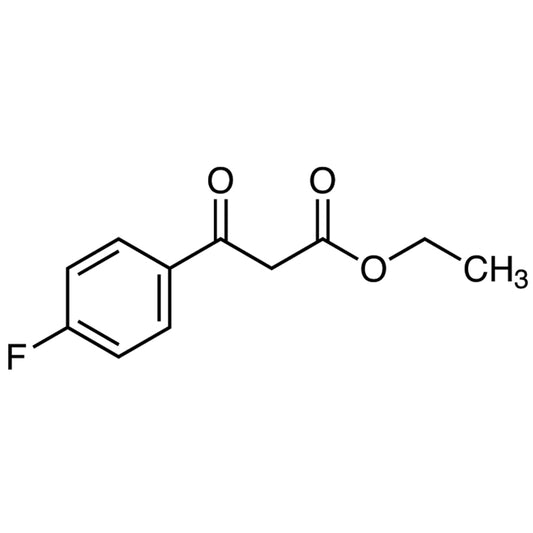
Ethyl(4-Fluorobenzoyl)acetate TCI F0435
Regular price From Rp 584.850,00Regular price