Ethyl (2,4,5-Trifluorobenzoyl)acetate is a chemical compound widely used in organic reactions, particularly in the synthesis of fluorinated compounds. As a fluorinated building block, it plays a crucial role in the development of complex molecular structures with specific functional groups. Its unique reactivity and chemical stability make it a valuable tool for researchers working in various fields of chemistry. This compound is commonly found in laboratories where fluorinated compounds are synthesized, contributing to the advancement of pharmaceutical and material science research.
The compound’s molecular structure, featuring a trifluorobenzoil group, provides it with distinct chemical properties. These include high reactivity, good solubility in organic solvents, and thermal stability, which are essential for its use in multiple synthetic pathways. The presence of fluorine atoms enhances the molecule’s stability and specificity, making it ideal for targeted chemical modifications. Its solubility and reactivity also allow it to be used in substitution and esterification reactions, expanding its applicability in organic synthesis.
In Indonesian laboratories, Ethyl (2,4,5-Trifluorobenzoyl)acetate is frequently used in scientific research, particularly in pharmaceutical and material development. Its chemical properties make it suitable for a wide range of applications, from academic research to industrial processes. The compound’s versatility and reliability ensure its continued use in various chemical investigations, supporting the growth of scientific innovation in the region.
Related TCI products
- TCI T1868 157373-08-5 2,3,4-Trifluorobenzoyl Chloride
- TCI T1653 88419-56-1 2,4,5-Trifluorobenzoyl Chloride
- TCI T1855 94695-48-4 2,3,4,5-Tetrafluorobenzoyl Chloride
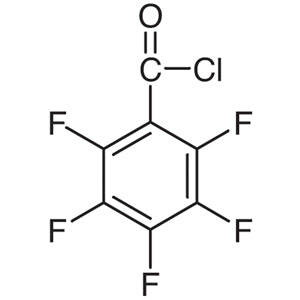
- TCI P0807 2251-50-5 Pentafluorobenzoyl Chloride
- TCI F0987 4640-67-9 4-Fluorobenzoylacetonitrile
- TCI F0476 149437-76-3 4-(4-Fluorobenzoyl)butyric Acid
- Organic synthesis of fluorinated compounds due to its reactivity and structural versatility.
- Pharmaceutical research for the development of new drugs with fluorinated moieties.
- Material science applications in the creation of advanced polymers and coatings.
- Analytical chemistry for the preparation of standard solutions and reference materials.
- Environmental studies to investigate the behavior of fluorinated compounds in different matrices.
| Brand | TCI |
|---|---|
| CAS number | 98349-24-7 |
| Molecular formula | — |
| Purity | — |
| Category | Chemistry > Building Blocks > Fluorinated Building Blocks |
| Pack sizes | Available in various quantities as per standard laboratory supply |
| Physical form | Liquid |
| Storage | Store in a cool, dry place away from light and moisture |
Ethyl (2,4,5-Trifluorobenzoyl)acetate should be stored in a cool, dry place, away from direct light and moisture. It is recommended to keep the compound in a sealed container to prevent evaporation and contamination. Due to its chemical nature, it should be handled in a well-ventilated area, and appropriate personal protective equipment should be worn. Avoid contact with skin and eyes, and ensure that spillage is contained and cleaned promptly. The compound is not flammable but should be stored separately from incompatible substances to maintain safety in the laboratory environment.
—
Produk Terkait
-
2,3,4-TrifluorobenzoylChloride TCI T1868
Regular price Rp 1.856.400,00Regular price -
2,4,5-TrifluorobenzoylChloride TCI T1653
Regular price Rp 1.167.600,00Regular price -
2,3,4,5-TetrafluorobenzoylChloride TCI T1855
Regular price From Rp 477.750,00Regular price -
PentafluorobenzoylChloride TCI P0807
Regular price From Rp 1.273.650,00Regular price -
4-Fluorobenzoylacetonitrile TCI F0987
Regular price From Rp 1.405.950,00Regular price -
4-(4-Fluorobenzoyl)butyricAcid TCI F0476
Regular price From Rp 769.650,00Regular price -
Methyl(4-Fluorobenzoyl)acetate TCI F0472
Regular price Rp 717.150,00Regular price -
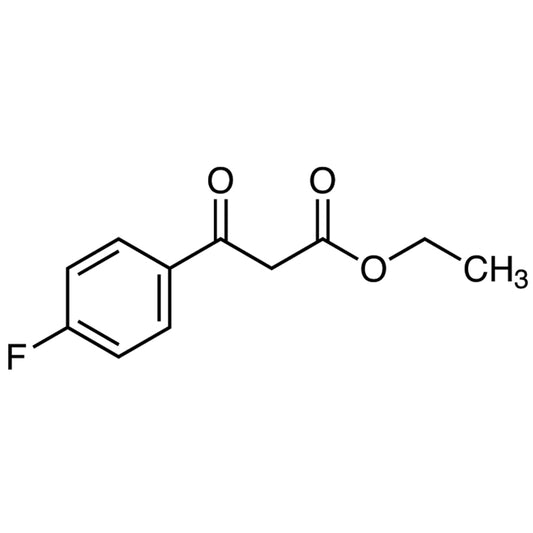
Ethyl(4-Fluorobenzoyl)acetate TCI F0435
Regular price From Rp 584.850,00Regular price