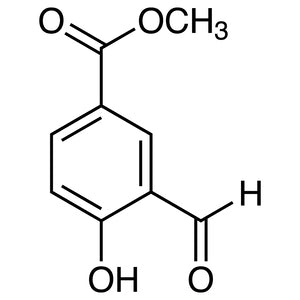
Methyl 3-Formyl-4-hydroxybenzoate is a chemical compound widely used in organic synthesis reactions within laboratory settings. As a key building block in chemical research, it serves as a foundational material for the development of more complex organic molecules. Its structural simplicity allows it to be a versatile reagent in various synthetic pathways, making it an essential component in the toolkit of chemists. This compound is particularly valuable for its ability to participate in multiple reaction types, including substitution and oxidation, which are critical in the synthesis of heterocyclic and non-heterocyclic compounds.
The compound is known for its solubility in organic solvents such as ethyl acetate and methanol, which facilitates its use in a wide range of laboratory procedures. Its stability under normal laboratory conditions, including room temperature, ensures that it remains a reliable reagent for consistent results. Additionally, its chemical properties allow for modifications through various reaction mechanisms, enhancing its adaptability in different synthetic applications. These characteristics make it a preferred choice for researchers seeking a stable yet reactive material.
In Indonesian laboratories, Methyl 3-Formyl-4-hydroxybenzoate is commonly used in chemical research and development projects. It is a staple in academic and industrial research settings where the synthesis of new compounds is required. Its availability and reliability make it a go-to material for chemists working on diverse synthetic challenges, supporting both basic and applied research in the field of organic chemistry.
Related TCI products
- TCI A3639 63435-16-5 Methyl 4-Amino-3-hydroxybenzoate
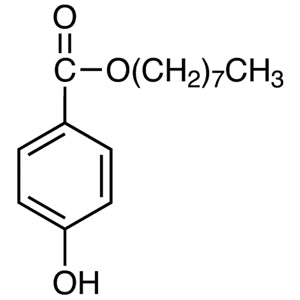
- TCI O0443 1219-38-1 n-Octyl 4-Hydroxybenzoate
- TCI M3513 3964-57-6 Methyl 3-Chloro-4-hydroxybenzoate
- TCI M3498 536-25-4 Methyl 3-Amino-4-hydroxybenzoate
- TCI M2796 1882-72-0 Methyl 2-Amino-5-hydroxybenzoate
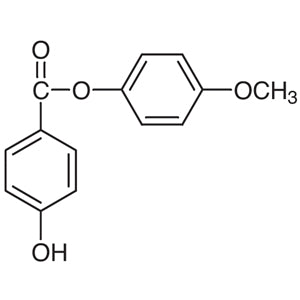
- TCI H0825 50687-62-2 4-Methoxyphenyl 4-Hydroxybenzoate
- Organic synthesis reactions benefit from this compound's reactivity and solubility, enabling efficient formation of complex molecules.
- It is ideal for substitution reactions due to its functional groups, allowing for the creation of various derivatives.
- In oxidation processes, its chemical stability ensures predictable and reproducible results under controlled conditions.
- It supports the development of heterocyclic compounds, which are essential in pharmaceutical and materials science research.
- Its use in academic research is widespread, as it is a fundamental building block for teaching and experimental purposes.
| Brand | TCI |
|---|---|
| CAS number | 24589-99-9 |
| Molecular formula | — |
| Purity | — |
| Category | Chemistry > Building Blocks > Non-Heterocyclic Building Blocks |
| Pack sizes | — |
| Physical form | — |
| Storage | Store in a cool, dry place away from direct sunlight |
This compound should be stored in a cool, dry environment to maintain its stability and prevent degradation. It is recommended to use airtight containers to protect it from moisture and air exposure. As it is soluble in organic solvents, it should be kept away from incompatible materials to avoid potential chemical reactions. Laboratory personnel should handle it with appropriate personal protective equipment, such as gloves and safety goggles, to ensure safety during use. Proper ventilation is also advised when working with this compound to minimize inhalation risks. Its reactivity and solubility characteristics necessitate careful handling to maintain its integrity and effectiveness in chemical processes.
—
Produk Terkait
-
Methyl4-Amino-3-hydroxybenzoate TCI A3639
Regular price From Rp 2.041.200,00Regular price -
n-Octyl4-Hydroxybenzoate TCI O0443
Regular price Rp 1.724.100,00Regular price -
Methyl3-Chloro-4-hydroxybenzoate TCI M3513
Regular price From Rp 1.458.450,00Regular price -
Methyl3-Amino-4-hydroxybenzoate TCI M3498
Regular price From Rp 1.378.650,00Regular price -
Methyl2-Amino-5-hydroxybenzoate TCI M2796
Regular price From Rp 717.150,00Regular price -
4-Methoxyphenyl4-Hydroxybenzoate TCI H0825
Regular price From Rp 4.531.800,00Regular price -
2-Hydroxyethyl4-Hydroxybenzoate TCI H0698
Regular price Rp 1.829.100,00Regular price -
2-Ethylhexyl4-Hydroxybenzoate TCI H0506
Regular price From Rp 823.200,00Regular price