Methyl 2-Amino-5-hydroxybenzoate is a chemical compound widely used in synthetic reactions within laboratory settings. It serves as a fundamental building block in the synthesis of more complex molecules, particularly in organic and pharmaceutical research. This compound is valued for its versatility and reactivity, making it a key component in various chemical processes. Its ability to participate in multiple reaction types, such as substitution and esterification, makes it an essential tool for chemists working on the development of new compounds and materials.
The compound’s molecular structure, featuring both amino and hydroxyl groups, contributes to its reactivity and functional versatility. These functional groups enable it to form stable intermediates and react with a wide range of reagents, enhancing its applicability in diverse synthetic pathways. Its stability under controlled conditions further supports its use in laboratory environments where precision and reliability are crucial. These properties make it a preferred choice for researchers aiming to create complex molecular structures and explore new chemical applications.
In Indonesian laboratories, Methyl 2-Amino-5-hydroxybenzoate is commonly used in organic chemistry research, pharmaceutical development, and structural studies. Its availability and compatibility with various synthetic methods make it a go-to material for scientists working on drug discovery, chemical synthesis, and material science projects. Its role in supporting both academic and industrial research underscores its importance in the chemical sciences within the region.
Related TCI products
- TCI A3639 63435-16-5 Methyl 4-Amino-3-hydroxybenzoate
- TCI M3498 536-25-4 Methyl 3-Amino-4-hydroxybenzoate
- TCI A0315 117-77-1 2-Amino-3-hydroxyanthraquinone
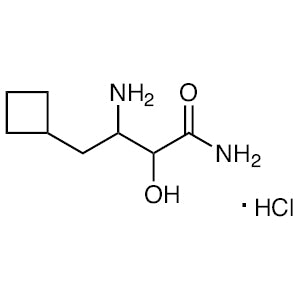
- TCI A3314 394735-23-0 3-Amino-4-cyclobutyl-2-hydroxybutanamide Hydrochloride (mixture of diastereoisomers)
- TCI A3049 54255-50-4 3'-Amino-4'-hydroxyacetophenone
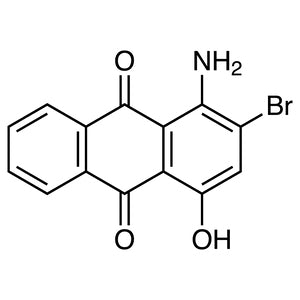
- TCI A1082 116-82-5 1-Amino-2-bromo-4-hydroxyanthracene-9,10-dione
- Organic synthesis where the amino and hydroxyl groups facilitate the formation of complex molecules through substitution and esterification reactions.
- Pharmaceutical development as a precursor for the synthesis of bioactive compounds and drug molecules with therapeutic applications.
- Structural analysis in chemical research to study molecular interactions and functional group behavior in different reaction environments.
- Industrial chemical production for the creation of specialty chemicals and functional materials used in various sectors.
- Teaching and research in academic institutions to support experimental learning and scientific inquiry in chemistry and pharmacology.
| Brand | TCI |
|---|---|
| CAS number | 1882-72-0 |
| Molecular formula | — |
| Purity | — |
| Category | Chemistry > Building Blocks > Non-Heterocyclic Building Blocks |
| Pack sizes | Available in standard laboratory quantities as per supplier specifications |
| Physical form | Solid, crystalline appearance |
| Storage | Store in a cool, dry place away from direct light and moisture |
Methyl 2-Amino-5-hydroxybenzoate should be stored in a cool, dry environment to maintain its chemical integrity. It is recommended to keep the compound in a sealed container to prevent moisture absorption and contamination. Due to its reactivity, it should be handled with care, using appropriate personal protective equipment such as gloves and safety goggles. It is advisable to store it away from incompatible substances to avoid any potential chemical interactions. In laboratory settings, proper ventilation should be maintained when handling the compound to ensure a safe working environment. Regular inspection of storage conditions is essential to ensure the compound remains in optimal condition for use.
—
Product Categories
Produk Terkait
-
Methyl4-Amino-3-hydroxybenzoate TCI A3639
Regular price From Rp 2.041.200,00Regular price -
Methyl3-Amino-4-hydroxybenzoate TCI M3498
Regular price From Rp 1.378.650,00Regular price -
2-Amino-3-hydroxyanthraquinone TCI A0315
Regular price From Rp 903.000,00Regular price -
3-Amino-4-cyclobutyl-2-hydroxybutanamideHydrochloride(mixtureofdiastereoisomers) TCI A3314
Regular price From Rp 955.500,00Regular price -
3'-Amino-4'-hydroxyacetophenone TCI A3049
Regular price Rp 5.750.850,00Regular price -
1-Amino-2-bromo-4-hydroxyanthracene-9,10-dione TCI A1082
Regular price Rp 795.900,00Regular price -
1-Amino-4-hydroxyanthraquinone TCI A0314
Regular price Rp 4.161.150,00Regular price -
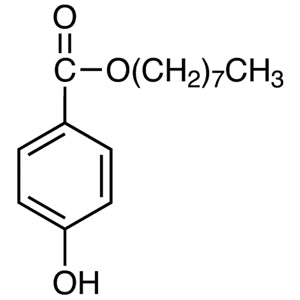
n-Octyl4-Hydroxybenzoate TCI O0443
Regular price Rp 1.724.100,00Regular price