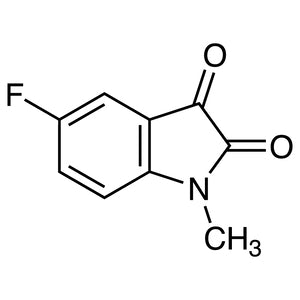
5-Fluoro-1-methylindoline-2,3-dione is a fluorinated building block widely used in organic chemistry for the synthesis of complex molecules. This compound plays a crucial role in laboratory settings where researchers aim to create heterocyclic structures and indole derivatives. As a key component in the field of fluorinated compounds, it is valued for its ability to participate in various chemical reactions, particularly those involving substitution and structural modification. Its unique chemical structure, featuring both fluorine and methyl groups, contributes to its reactivity and versatility in synthetic pathways.
The compound’s fluorine atoms significantly influence its polarity and reactivity, making it a preferred choice for chemists working on drug development and organic synthesis. The presence of fluorine enhances the compound’s stability and functional group compatibility, allowing for greater control over reaction outcomes. Its molecular framework also supports the design of bioactive molecules, which are essential in pharmaceutical research. These properties make it a reliable and effective reagent for advanced chemical applications.
In Indonesian laboratories, 5-Fluoro-1-methylindoline-2,3-dione is commonly used by chemists and pharmacologists to develop new compounds with specific biological activities. Its role in the synthesis of therapeutic agents and other complex molecules makes it a valuable resource in both academic and industrial research environments. Researchers rely on its predictable behavior and chemical versatility to achieve precise results in their experiments.
Related TCI products
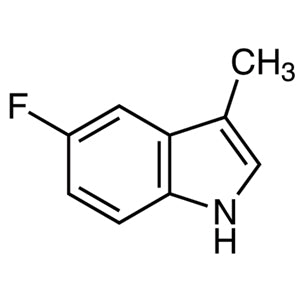
- TCI F1053 392-13-2 5-Fluoro-3-methylindole
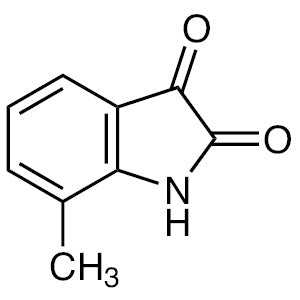
- TCI M3428 1127-59-9 7-Methylindoline-2,3-dione
- TCI B4810 168828-81-7 Benzyl (3-Fluoro-4-morpholinophenyl)carbamate
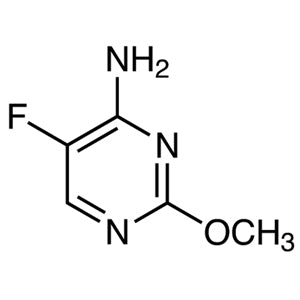
- TCI A2125 1993-63-1 4-Amino-5-fluoro-2-methoxypyrimidine
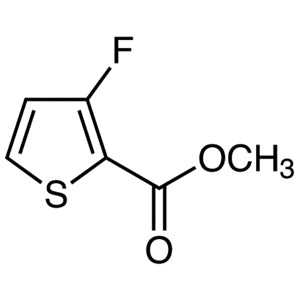
- TCI M2295 100421-52-1 Methyl 3-Fluoro-2-thiophenecarboxylate
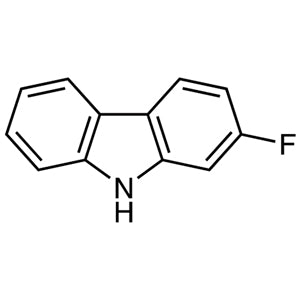
- TCI F1182 391-53-7 2-Fluoro-9H-carbazole
- Organic synthesis of heterocyclic compounds due to its fluorinated structure and reactivity.
- Development of pharmaceutical compounds as a building block for bioactive molecule design.
- Structural modification of indole derivatives in medicinal chemistry research applications.
- Synthesis of complex molecules requiring fluorine substitution in organic reaction pathways.
- Use in academic and industrial research for creating novel chemical entities with therapeutic potential.
| Brand | TCI |
|---|---|
| CAS number | 773-91-1 |
| Molecular formula | — |
| Purity | — |
| Category | Chemistry > Building Blocks > Fluorinated Building Blocks |
| Pack sizes | Available in standard laboratory quantities |
| Physical form | Solid (may vary depending on supplier) |
| Storage | Store in a cool, dry place away from light and moisture |
This compound should be stored in a cool, dry environment, away from direct sunlight and sources of moisture. It is recommended to use airtight containers to prevent exposure to air and humidity, which may affect its stability. Proper ventilation should be maintained in the laboratory when handling the material to minimize inhalation risks. As a fluorinated compound, it is important to follow standard chemical safety protocols, including the use of personal protective equipment such as gloves and safety goggles. The compound is generally stable under normal laboratory conditions but should be handled with care to avoid contamination or unintended chemical interactions.
—
Produk Terkait
-
5-Fluoro-3-methylindole TCI F1053
Regular price From Rp 1.220.100,00Regular price -
7-Methylindoline-2,3-dione TCI M3428
Regular price From Rp 2.650.200,00Regular price -
Benzyl(3-Fluoro-4-morpholinophenyl)carbamate TCI B4810
Regular price From Rp 664.650,00Regular price -
4-Amino-5-fluoro-2-methoxypyrimidine TCI A2125
Regular price Rp 2.491.650,00Regular price -
Methyl3-Fluoro-2-thiophenecarboxylate TCI M2295
Regular price Rp 2.068.500,00Regular price -
2-Fluoro-9H-carbazole TCI F1182
Regular price From Rp 1.378.650,00Regular price -
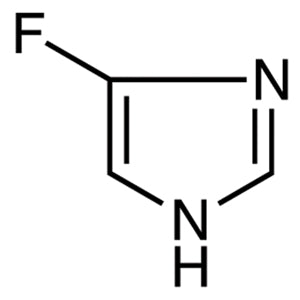
4-Fluoro-1H-imidazole TCI F1157
Regular price Rp 10.838.100,00Regular price -
7-Fluoro-6-nitroquinazolin-4(1H)-one TCI F1091
Regular price Rp 1.140.300,00Regular price