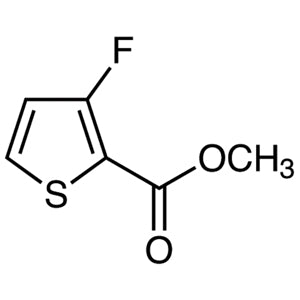
Methyl 3-Fluoro-2-thiophenecarboxylate is a chemical compound widely used as a building block in the synthesis of complex organic molecules. This compound plays a crucial role in laboratory settings, particularly in organic chemistry and pharmaceutical research. Its unique structure, featuring both a fluorine atom and a thiophene ring, makes it a versatile reagent for various chemical transformations. It is commonly employed in substitution reactions and reactions involving thiophene groups, enabling the development of new compounds with tailored properties.
The compound is valued for its chemical stability and moderate reactivity, which contribute to efficient and reliable chemical reactions. Its presence of fluorine and thiophene groups imparts distinct physical and chemical properties, allowing it to influence the characteristics of the final products. These properties make it a preferred choice for researchers aiming to design and synthesize complex molecules with specific functionalities. Its reliability and effectiveness in various synthetic pathways further enhance its utility in laboratory applications.
In Indonesian laboratories, Methyl 3-Fluoro-2-thiophenecarboxylate is extensively used in scientific research and educational institutions. It supports the development of new synthesis techniques and contributes to the expansion of molecular structure knowledge. Its availability ensures that scientists and researchers can access essential building blocks for their experiments, facilitating innovation and discovery in the field of chemistry.
TCI brochures (PDF)
- Thiophenes 2026-06-29 · p. 4
- Fluorination Reagents, Fluorinated Building Blocks 2026-03-18 · p. 47
Related TCI products
- TCI F0850 32431-84-8 3-Fluoro-2-thiophenecarboxylic Acid
- TCI B4810 168828-81-7 Benzyl (3-Fluoro-4-morpholinophenyl)carbamate
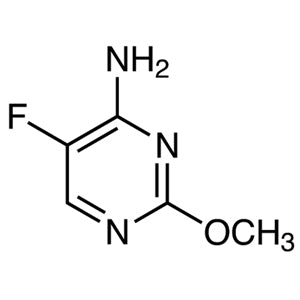
- TCI A2125 1993-63-1 4-Amino-5-fluoro-2-methoxypyrimidine
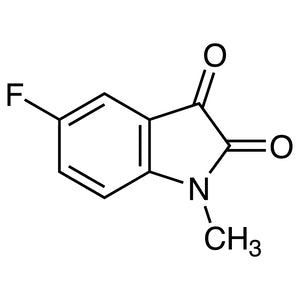
- TCI F1390 773-91-1 5-Fluoro-1-methylindoline-2,3-dione
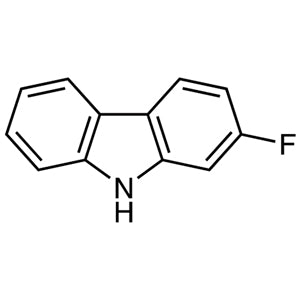
- TCI F1182 391-53-7 2-Fluoro-9H-carbazole
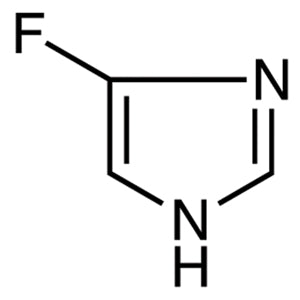
- TCI F1157 30086-17-0 4-Fluoro-1H-imidazole
- Organic synthesis applications benefit from this compound's ability to participate in fluorine substitution reactions and thiophene-based transformations, enabling the creation of complex molecular structures.
- Pharmaceutical research utilizes its unique chemical structure to develop new drug candidates with improved pharmacological properties and enhanced bioavailability.
- Academic institutions incorporate it into curriculum-based experiments to teach students about fluorinated building blocks and their role in synthetic chemistry.
- Industrial research labs use it to explore novel chemical pathways and optimize reaction conditions for large-scale synthesis of specialty chemicals.
- Analytical chemistry applications rely on its stability and reactivity to study reaction mechanisms and evaluate the performance of synthetic routes.
| Brand | TCI |
|---|---|
| CAS number | 100421-52-1 |
| Molecular formula | — |
| Purity | — |
| Category | Chemistry > Building Blocks > Fluorinated Building Blocks |
| Pack sizes | 500g, 1kg |
| Physical form | Solid |
| Storage | Store in a cool, dry place away from light and moisture |
This compound should be stored in a cool, dry environment, away from direct light and moisture to maintain its chemical integrity. It is recommended to use airtight containers made of polyethylene or glass to prevent contamination and degradation. Due to its reactivity, it should be handled with appropriate personal protective equipment, including gloves and safety goggles. Proper ventilation is essential when working with this material to minimize exposure to vapors. It is important to keep the compound away from incompatible substances such as strong oxidizers to ensure safe storage and use in laboratory settings. Always follow standard laboratory safety protocols when handling and storing this compound.
—
Produk Terkait
-
3-Fluoro-2-thiophenecarboxylicAcid TCI F0850
Regular price Rp 6.599.250,00Regular price -
Benzyl(3-Fluoro-4-morpholinophenyl)carbamate TCI B4810
Regular price From Rp 664.650,00Regular price -
4-Amino-5-fluoro-2-methoxypyrimidine TCI A2125
Regular price Rp 2.491.650,00Regular price -
5-Fluoro-1-methylindoline-2,3-dione TCI F1390
Regular price From Rp 1.724.100,00Regular price -
2-Fluoro-9H-carbazole TCI F1182
Regular price From Rp 1.378.650,00Regular price -
4-Fluoro-1H-imidazole TCI F1157
Regular price Rp 10.838.100,00Regular price -
7-Fluoro-6-nitroquinazolin-4(1H)-one TCI F1091
Regular price Rp 1.140.300,00Regular price -
5-Fluoro-3-methylindole TCI F1053
Regular price From Rp 1.220.100,00Regular price