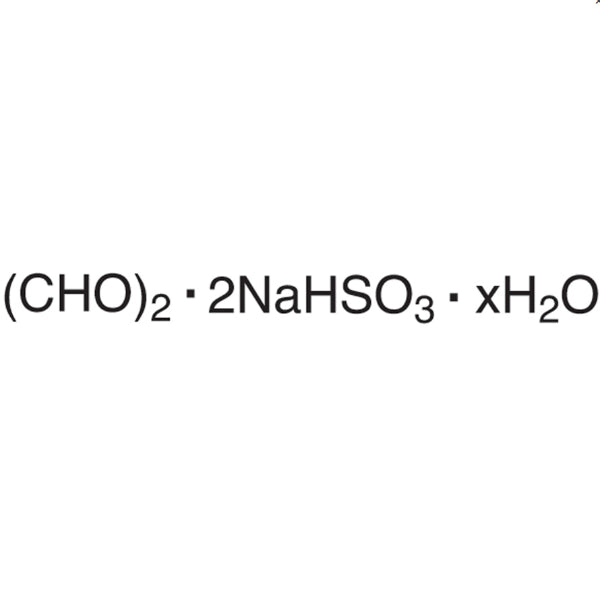
Glyoxal Sodium Bisulfite Hydrate is the adduct formed from the reaction of glyoxal with sodium bisulfite, supplied in hydrate form and containing oligomers as stated in the product description. In practical terms, the compound is a form of glyoxal "locked" as a solid bisulfite salt, which makes it far easier to weigh, store, and handle than reactive glyoxal solutions. In the laboratory it serves as a controlled source of glyoxal that can be released again under appropriate reaction conditions, and at the same time as a two-carbon building block in organic synthesis.
The principal advantages of this material lie in its stability and convenience. The solid form allows accurate stoichiometric weighing without the need to correct for water content or degree of polymerisation, as would be required with aqueous glyoxal solutions. The bisulfite adduct also suppresses side reactions arising from the reactivity of the free aldehyde during storage, so the quality of the material is better preserved over time. When the carbonyl functionality is needed, it can be recovered by treatment with base or under suitable reaction conditions, making this compound highly useful in heterocyclic synthesis, multicomponent reactions, and the preparation of condensation derivatives with amines and nitrogen-containing compounds.
In Indonesian laboratories, this TCI building block is typically found in organic synthesis and medicinal chemistry groups at universities and research institutes, as well as in industrial R&D units developing fine chemicals and intermediates. Its solid, stable presentation is particularly well suited to local working conditions, where warm and humid ambient air makes the handling of reactive aldehyde solutions more demanding, and where reagents may be stored for extended periods between synthetic campaigns.
Related TCI products
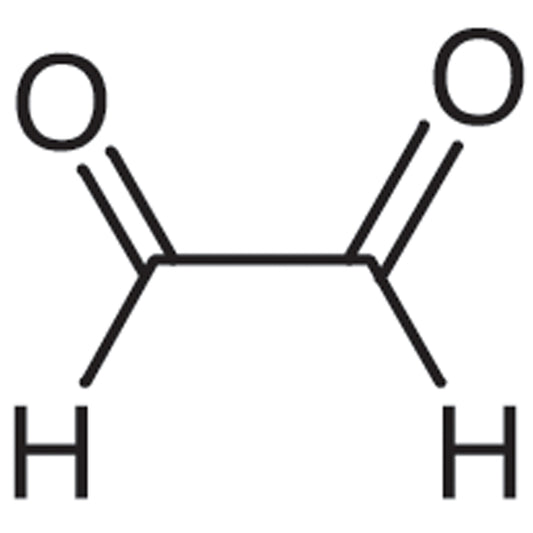
- TCI G0152 107-22-2 Glyoxal (39% in Water, ca. 8.8mol/L)
- TCI B0526 5655-61-8 Bornyl Acetate (contains ca. 20% Isobornyl Acetate)
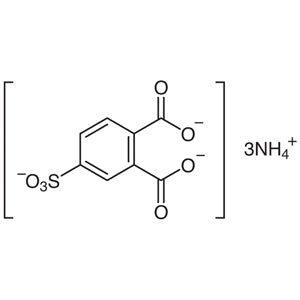
- TCI S0315 22411-24-1 Triammonium 4-Sulfophthalate (contains 3-Sulfophthalate)
- TCI S0136 89-08-7 4-Sulfophthalic Acid (contains 3-Sulfophthalic Acid) (ca 50% in Water)
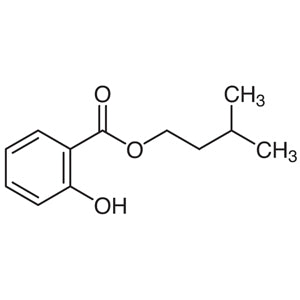
- TCI S0012 87-20-7 Isoamyl Salicylate (contains 2-Methylbutyl Salicylate)
- TCI P3165 593-29-3 Potassium Stearate (contains Potassium Palmitate)
- Heterocyclic synthesis: the compound delivers a two-carbon dicarbonyl unit in a stable solid form, supporting the construction of imidazole and related nitrogen heterocycle frameworks under controlled release conditions.
- Multicomponent reactions: because the glyoxal moiety is masked as a bisulfite adduct, it can be introduced accurately by weight and liberated in situ, improving reproducibility across one-pot multicomponent protocols.
- Condensation with amines: the recovered carbonyl groups react readily with primary amines and other nitrogen nucleophiles, allowing the preparation of diimine and related condensation derivatives in synthetic work.
- Controlled glyoxal source: researchers who need glyoxal without handling reactive aqueous solutions can use this adduct to release the aldehyde only when the intended reaction conditions are applied.
- Building block screening in medicinal chemistry: the stable solid form supports accurate small-scale stoichiometry during library synthesis, where aqueous glyoxal solutions of uncertain concentration would introduce error.
| Brand | TCI |
|---|---|
| CAS number | 332360-05-1 |
| Molecular formula | — |
| Purity | — |
| Category | Chemistry > Building Blocks > Non-Heterocyclic Building Blocks |
| Pack sizes | available in the standard catalogue pack sizes offered by TCI; please confirm the currently available option when ordering |
| Physical form | solid hydrate, containing oligomers as described in the product information |
| Storage | keep in a closed container in a cool, dry place away from moisture |
- Product Code: G0154
Store the material in its original tightly closed container in a cool, dry, well-ventilated area, protected from moisture and away from heat sources and direct sunlight. Because the compound is a hydrated bisulfite adduct, prolonged exposure to humid air should be avoided; close the container promptly after weighing and consider a desiccator for opened stock. Handle in a fume hood using standard personal protective equipment, including safety goggles, laboratory coat, and chemical-resistant gloves. Avoid contact with acids, which may liberate sulfur dioxide, and keep the material separate from strong oxidising agents. Always consult the manufacturer's safety data sheet before use and follow the disposal procedures applicable in your laboratory.
—
Produk Terkait
-
Glyoxal(39%inWater,ca.8.8mol/L) TCI G0152
Regular price From Rp 477.750,00Regular price -
BornylAcetate(containsca.20%IsobornylAcetate) TCI B0526
Regular price Rp 717.150,00Regular price -
Triammonium4-Sulfophthalate(contains3-Sulfophthalate) TCI S0315
Regular price Rp 2.227.050,00Regular price -
4-SulfophthalicAcid(contains3-SulfophthalicAcid)(ca50%inWater) TCI S0136
Regular price From Rp 557.550,00Regular price -
IsoamylSalicylate(contains2-MethylbutylSalicylate) TCI S0012
Regular price From Rp 505.050,00Regular price -
PotassiumStearate(containsPotassiumPalmitate) TCI P3165
Regular price From Rp 769.650,00Regular price -
PentaerythritolTetrastearate(containspalmitate) TCI P0739
Regular price From Rp 1.298.850,00Regular price -
PropyleneGlycolMonostearate(containsca.35%Monopalmitate) TCI P0614
Regular price Rp 477.750,00Regular price