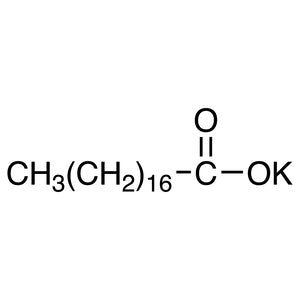
Potassium stearate (TCI P3165), with CAS number 593-29-3, is a chemical compound widely used in laboratory settings for its versatile applications. It is a non-ionic surfactant derived from stearic acid and potassium ions, making it a valuable building block in organic synthesis. This compound is commonly used as an emulsifier and dispersing agent in various chemical reactions, aiding in the mixing of immiscible substances. Its chemical stability and compatibility with a wide range of solvents make it a reliable choice for researchers and chemists working in diverse experimental conditions.
The key properties of potassium stearate that make it a preferred choice include its high melting point, which ensures thermal stability during prolonged heating processes. Additionally, its non-ionic nature allows it to remain stable under a variety of chemical conditions, reducing the risk of unwanted side reactions. The compound is also non-toxic and non-hazardous, making it a safe option for use in laboratory environments. These characteristics contribute to its widespread adoption in both academic and industrial research settings.
In Indonesian laboratories, potassium stearate is frequently used in chemical research, pharmaceutical development, and the formulation of cosmetic and cleaning products. Its role as a surfactant and emulsifier is critical in the creation of stable mixtures and formulations. Due to its availability and reliability, it is a commonly selected material for various experimental and industrial applications in the region.
- Organic synthesis reactions benefit from potassium stearate’s surfactant properties, aiding in emulsification and dispersion of reactants.
- Pharmaceutical formulation processes utilize it as a stabilizing agent to enhance the consistency and longevity of drug products.
- Cosmetic product development relies on its ability to act as a surfactant, improving the texture and mixing of ingredients in skincare and personal care formulations.
- Cleaning product manufacturing uses potassium stearate to create effective surfactants that enhance the cleaning efficiency of formulations.
- Industrial chemical research incorporates it as a building block for the synthesis of more complex organic compounds and derivatives.
| Brand | TCI |
|---|---|
| CAS number | 593-29-3 |
| Molecular formula | — |
| Purity | — |
| Category | Chemistry > Building Blocks > Non-Heterocyclic Building Blocks |
| Pack sizes | — |
| Physical form | — |
| Storage | Store in a cool, dry place away from moisture and direct sunlight |
Potassium stearate should be stored in a cool, dry environment to maintain its chemical integrity and prevent degradation. It is recommended to keep the material in a tightly sealed container to minimize exposure to moisture and air. While it is non-toxic and non-hazardous, it is still advisable to handle it with care, using appropriate personal protective equipment such as gloves and safety goggles. The compound is stable under normal laboratory conditions and does not require special handling beyond standard chemical safety protocols. Its high melting point ensures it remains solid at room temperature, making it easy to handle and measure in laboratory settings. Proper storage and handling practices help ensure the longevity and effectiveness of the material in various applications.
—
Produk Terkait
-
PentaerythritolTetrastearate(containspalmitate) TCI P0739
Regular price From Rp 1.298.850,00Regular price -
VinylPalmitate(stabilizedwithMEHQ) TCI P0848
Regular price From Rp 1.724.100,00Regular price -
IsobutylPalmitate TCI P0651
Regular price Rp 1.008.000,00Regular price -
ButylPalmitate TCI P0649
Regular price Rp 2.757.300,00Regular price -
IsopropylPalmitate TCI P0005
Regular price From Rp 505.050,00Regular price -
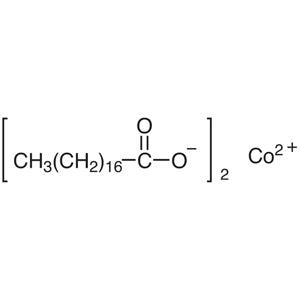
Cobalt(II)Stearate TCI S0393
Regular price Rp 557.550,00Regular price -
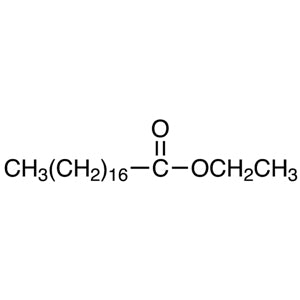
EthylStearate TCI S0365
Regular price Rp 3.180.450,00Regular price -
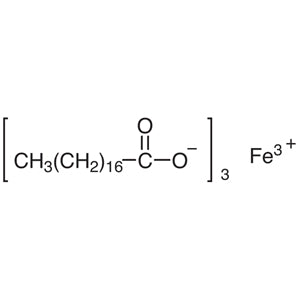
Iron(III)Stearate TCI S0256
Regular price From Rp 1.298.850,00Regular price