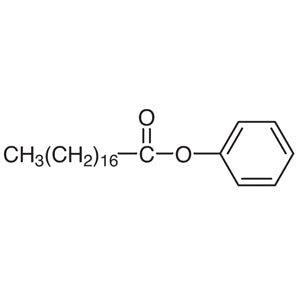
Iron(III) Stearate is a chemical compound widely used in laboratory settings for its role in facilitating chemical reactions. It serves as a reagent or catalyst in various synthetic processes, enabling the production of specific organic and inorganic compounds. Its presence in chemical synthesis is crucial, particularly in the development of metal complexes and polymer materials. This compound plays a vital role in advancing research by providing a reliable and effective means to control and optimize chemical reactions.
The chemical properties of Iron(III) Stearate make it a preferred choice in laboratory applications. It exhibits stability and moderate reactivity, allowing it to participate in a range of reaction conditions without undergoing unwanted side reactions. Its solubility in organic solvents enhances its usability in solution-based reactions, making it easier to mix and heat during synthesis. These characteristics contribute to its popularity among researchers and scientists seeking efficient and predictable chemical processes.
In Indonesian laboratories, Iron(III) Stearate is commonly used in both fundamental and applied chemical research. It is a favored material due to its availability and compliance with international quality standards. Its role in supporting scientific investigations in educational and research institutions makes it an essential component of chemical experimentation in Indonesia.
TCI brochures (PDF)
- Transition Metal Catalysts 2026-04-10 · p. 7
- Lipids 2025-12-17 · p. 7
- Metal complex synthesis: Iron(III) Stearate is ideal for forming metal complexes due to its ability to coordinate with metal ions, enabling the creation of stable and functional compounds.
- Polymer development: It is used in polymer synthesis to act as a cross-linking agent, improving the structural integrity and properties of the final product.
- Catalytic reactions: The compound's moderate reactivity makes it suitable for catalytic processes, where it can enhance reaction efficiency without being consumed.
- Organic synthesis: Its solubility in organic solvents allows it to be effectively used in a variety of organic reactions, facilitating the preparation of target compounds.
- Analytical chemistry: It can be employed in analytical procedures to study reaction mechanisms and the behavior of metal ions in different environments.
| Brand | TCI |
|---|---|
| CAS number | 555-36-2 |
| Molecular formula | — |
| Purity | — |
| Category | Chemistry > Building Blocks > Non-Heterocyclic Building Blocks |
| Pack sizes | Available in various quantities as per standard laboratory supply |
| Physical form | Solid powder |
| Storage | Store in a cool, dry place away from moisture and direct sunlight |
Iron(III) Stearate should be stored in a cool, dry environment to maintain its chemical stability. It is recommended to keep it in airtight containers to prevent exposure to moisture, which could affect its performance. Due to its solid form, it is best stored in sealed containers made of materials that are chemically inert, such as glass or high-density polyethylene. In laboratory settings, it is important to handle the compound with care, using appropriate personal protective equipment. It should be kept away from incompatible substances to ensure safety and maintain its effectiveness in chemical processes.
—
Produk Terkait
-
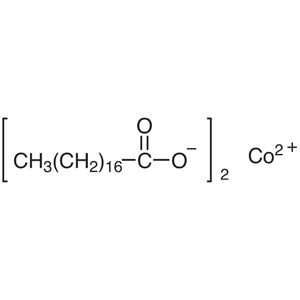
Cobalt(II)Stearate TCI S0393
Regular price Rp 557.550,00Regular priceRp 389.550,00Sale price Rp 557.550,00 -
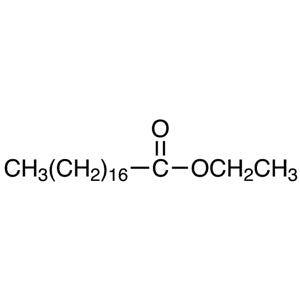
EthylStearate TCI S0365
Regular price Rp 3.180.450,00Regular priceRp 2.223.900,00Sale price Rp 3.180.450,00 -
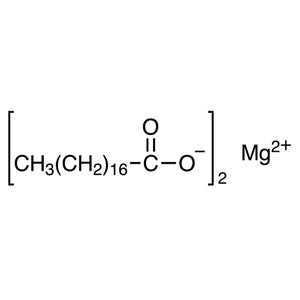
Magnesium(II)Stearate TCI S0238
Regular price From Rp 477.750,00Regular priceRp 333.900,00Sale price From Rp 477.750,00 -
CalciumStearate TCI S0236
Regular price From Rp 610.050,00Regular priceRp 426.300,00Sale price From Rp 610.050,00 -
BariumStearate TCI S0235
Regular price From Rp 477.750,00Regular priceRp 333.900,00Sale price From Rp 477.750,00 -
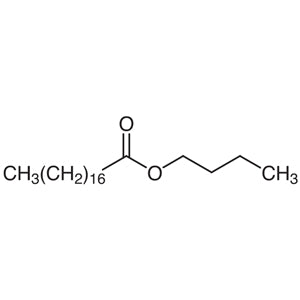
ButylStearate TCI S0077
Regular price From Rp 477.750,00Regular priceRp 333.900,00Sale price From Rp 477.750,00 -
PotassiumStearate(containsPotassiumPalmitate) TCI P3165
Regular price From Rp 769.650,00Regular priceRp 537.600,00Sale price From Rp 769.650,00 -
PhenylStearate TCI O0007
Regular price From Rp 3.446.100,00Regular priceRp 2.409.750,00Sale price From Rp 3.446.100,00