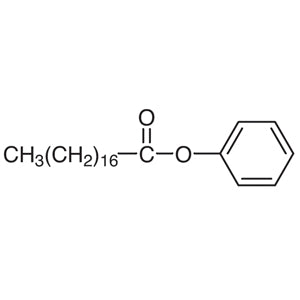
Magnesium(II) Stearate from TCI, product code S0238, is the magnesium salt of stearic acid. It is one of the best-known metallic soaps and is used most widely in pharmaceutics. The compound is a hydrophobic solid that does not dissolve in water and has excellent lubricating properties. In the laboratory it is used both as a study material and as a formulation component. Its main role is as a lubricant in tablet and capsule manufacturing research, and it also serves as an additive in polymer and cosmetic research.
Researchers choose Magnesium Stearate because it forms a thin film on the surfaces of particles and equipment. This film reduces friction between the powder mass and the walls of the tablet die. As a result, tablets do not stick to the punches and are easier to eject from the die. Because the compound is hydrophobic, however, the amount used and the blending time can affect tablet hardness and the drug dissolution rate. For this reason they are important variables that are often studied in solid dosage form research, where careful control of the lubricant helps produce consistent results.
In Indonesia, this material is highly relevant to pharmaceutical technology laboratories in faculties of pharmacy. It is also used in research and development laboratories in the pharmaceutical, supplement and cosmetic industries, and by polymer researchers. Academic groups use it in teaching and research on tablet formulation, while industrial R&D teams use it to study how lubricants affect product quality. Its long history of use makes it a familiar reference material for anyone working on solid formulations.
- Tablet lubrication research: it forms a thin film that reduces friction between the powder and the die wall, which prevents sticking to the punches and makes ejection easier.
- Capsule formulation studies: its lubricating behaviour helps powder blends flow and fill evenly, so researchers can study how it affects the filling process and the final product.
- Dissolution and hardness studies: because it is hydrophobic, the amount used and the blending time can change tablet hardness and the drug release rate, which makes it a key variable to study.
- Polymer research: as a metallic soap with good lubricating properties, it is used as an additive when studying how polymer materials are processed and how they behave.
- Cosmetic formulation research: its hydrophobic, lubricating character makes it a useful additive when developing and evaluating cosmetic products in research and development laboratories.
| Brand | TCI (product code S0238) |
|---|---|
| CAS number | 557-04-0 |
| Molecular formula | — |
| Purity | — |
| Category | Chemistry > Building Blocks > Non-Heterocyclic Building Blocks |
| Pack sizes | available in TCI's standard pack sizes (see the product listing for the current options) |
| Physical form | hydrophobic solid, insoluble in water |
| Storage | keep the container tightly closed in a cool, dry place |
Store Magnesium(II) Stearate in its original, tightly closed container in a cool, dry, well-ventilated area, away from moisture and incompatible materials such as strong oxidising agents. Reseal the container promptly after use to prevent contamination. Because the material is a fine solid, handle it in a way that keeps dust low, ideally in a well-ventilated area or under local exhaust. Wear standard laboratory protective equipment, including gloves, safety glasses and a lab coat. Avoid inhaling dust and avoid contact with the eyes. Label working containers clearly, and always consult the supplier's Safety Data Sheet before use for detailed hazard and disposal information.
—
Produk Terkait
-
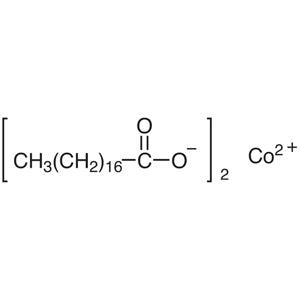
Cobalt(II)Stearate TCI S0393
Regular price Rp 557.550,00Regular price -
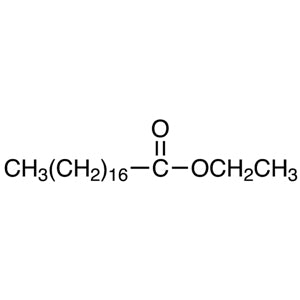
EthylStearate TCI S0365
Regular price Rp 3.180.450,00Regular price -
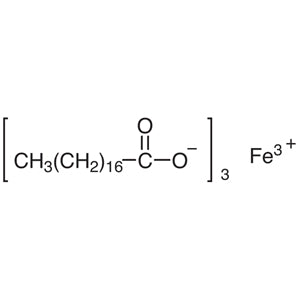
Iron(III)Stearate TCI S0256
Regular price From Rp 1.298.850,00Regular price -
CalciumStearate TCI S0236
Regular price From Rp 610.050,00Regular price -
BariumStearate TCI S0235
Regular price From Rp 477.750,00Regular price -
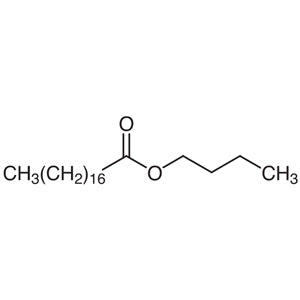
ButylStearate TCI S0077
Regular price From Rp 477.750,00Regular price -
PotassiumStearate(containsPotassiumPalmitate) TCI P3165
Regular price From Rp 769.650,00Regular price -
PhenylStearate TCI O0007
Regular price From Rp 3.446.100,00Regular price