Triammonium 4-Sulfophthalate (containing 3-Sulfophthalate) is a chemical compound widely used in laboratory settings for its versatile reactivity and structural properties. This compound is a key building block in various chemical reactions and molecular synthesis processes, particularly in organic chemistry. Its unique structure, featuring sulfonate ions, makes it an essential reagent for substitution, coupling, and catalytic reactions. Due to its ability to interact with metal ions, it is also valuable in the formation of metal complexes, which are critical in analytical and synthetic chemistry.
The compound’s chemical stability under controlled conditions enhances its usability in laboratory environments. Its role as a ligand in metal complex formation makes it a preferred choice for applications requiring coordination chemistry. Additionally, its compatibility with a wide range of solvents and reagents allows for flexibility in experimental design. These properties collectively contribute to its popularity among chemists working in both academic and industrial research.
In Indonesian laboratories, Triammonium 4-Sulfophthalate is commonly used in chemical research, especially in higher education institutions and research centers. It plays a vital role in the synthesis of organic compounds with applications in pharmaceuticals, analytical chemistry, and industrial processes. Its availability and reliability make it a standard reagent in many experimental protocols, supporting both basic and advanced research activities.
Related TCI products
- TCI S0136 89-08-7 4-Sulfophthalic Acid (contains 3-Sulfophthalic Acid) (ca 50% in Water)
- TCI B0526 5655-61-8 Bornyl Acetate (contains ca. 20% Isobornyl Acetate)
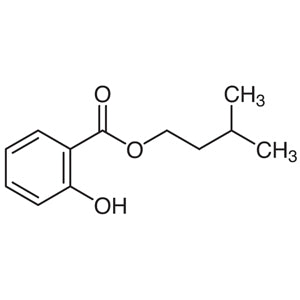
- TCI S0012 87-20-7 Isoamyl Salicylate (contains 2-Methylbutyl Salicylate)
- TCI P3165 593-29-3 Potassium Stearate (contains Potassium Palmitate)
- TCI P0739 115-83-3 Pentaerythritol Tetrastearate (contains palmitate)
- TCI P0614 1323-39-3 Propylene Glycol Monostearate (contains ca. 35% Monopalmitate)
- Organic synthesis where sulfonate groups are required for functional group modification and molecular scaffolding.
- Metal complex formation due to its ability to act as a ligand and coordinate with various metal ions.
- Analytical chemistry applications involving ion exchange and chromatographic separation techniques.
- Catalytic reactions where the compound serves as a reactive intermediate or support for catalysts.
- Research in pharmaceutical development for the synthesis of compounds with specific biological activity.
| Brand | TCI |
|---|---|
| CAS number | 22411-24-1 |
| Molecular formula | — |
| Purity | — |
| Category | Chemistry > Building Blocks > Non-Heterocyclic Building Blocks |
| Pack sizes | Available in various quantities as per supplier specifications |
| Physical form | Solid powder |
| Storage | Store in a cool, dry place away from moisture and direct sunlight |
This compound should be stored in a cool, dry environment to maintain its chemical stability and prevent degradation. It is recommended to use airtight containers to protect it from moisture and humidity, which can affect its reactivity and purity. Due to its potential reactivity with certain substances, it should be handled in a well-ventilated area and kept away from incompatible materials. Proper personal protective equipment, such as gloves and safety goggles, should be worn during handling to ensure laboratory safety. Regular inspection of storage conditions is advised to ensure optimal preservation and safe use in experimental procedures.
—
Produk Terkait
-
4-SulfophthalicAcid(contains3-SulfophthalicAcid)(ca50%inWater) TCI S0136
Regular price From Rp 557.550,00Regular price -
BornylAcetate(containsca.20%IsobornylAcetate) TCI B0526
Regular price Rp 717.150,00Regular price -
IsoamylSalicylate(contains2-MethylbutylSalicylate) TCI S0012
Regular price From Rp 505.050,00Regular price -
PotassiumStearate(containsPotassiumPalmitate) TCI P3165
Regular price From Rp 769.650,00Regular price -
PentaerythritolTetrastearate(containspalmitate) TCI P0739
Regular price From Rp 1.298.850,00Regular price -
PropyleneGlycolMonostearate(containsca.35%Monopalmitate) TCI P0614
Regular price Rp 477.750,00Regular price -
Isoamyln-Octanoate(contains2-Methylbutyln-Octanoate) TCI O0031
Regular price Rp 637.350,00Regular price -
trans-2-Nonenal(containstrans-2-NonenalDiethylAcetal)(ca.10%inEthanol,ca.0.57mol/L) TCI N0430
Regular price Rp 1.405.950,00Regular price