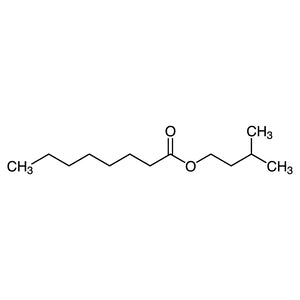
Isoamyl n-Octanoate from TCI (product code O0031, CAS 2035-99-6) is the ester of n-octanoic acid and isoamyl alcohol (3-methyl-1-butanol). The product information states that it also contains 2-Methylbutyl n-Octanoate. This isomer is commonly present because amyl alcohol from some sources is a mixture of isomers. In the laboratory, this ester is used as a non-heterocyclic building block, as an analytical standard for aroma compounds, and as a study material in flavor research and in work on fermentation products.
Researchers choose isoamyl octanoate mainly for its branched alcohol chain. This branching gives it a different aroma profile and different physical properties from straight-chain esters such as amyl octanoate, which makes it useful for studying how structure relates to aroma. Chromatographers should keep the 2-methylbutyl isomer in mind, because it can show up as a separate peak. That same detail helps researchers recognize both isomers in natural samples. The ester is also lipophilic and volatile enough for gas chromatography, so it fits routine analytical work.
In Indonesia, isoamyl octanoate is relevant to food technology laboratories, fermentation and beverage laboratories, researchers studying tropical fruit aromas, and organic chemistry laboratories in universities and research institutions. Food science groups can use it as a reference when profiling volatile esters in fruits, fermented drinks, and processed foods. Organic chemistry teams can use it as a building block or as a model ester for synthesis and characterization work. Quality control laboratories can also use it to compare flavor components during product development.
- Aroma compound reference standard: the ester can act as a reference in gas chromatography, helping analysts identify and compare volatile ester peaks in food, beverage, and fragrance samples.
- Flavor research: its branched isoamyl chain gives a different aroma profile from straight-chain esters, which makes it useful for structure–aroma relationship studies in flavor chemistry.
- Fermentation product analysis: esters of this type are relevant to fermented beverages and foods, so this material can help laboratories profile and compare ester content in fermentation samples.
- Isomer identification in natural samples: the stated 2-methylbutyl n-octanoate content can help researchers recognize both isomers as separate chromatographic peaks when analyzing natural extracts.
- Non-heterocyclic building block in synthesis: organic chemistry laboratories can use this lipophilic ester as a starting material or model compound for esterification, hydrolysis, and characterization studies.
| Brand | TCI (product code O0031) |
|---|---|
| CAS number | 2035-99-6 |
| Molecular formula | — |
| Purity | — |
| Category | Chemistry > Building Blocks > Non-Heterocyclic Building Blocks |
| Pack sizes | standard TCI pack sizes; please confirm the available options when ordering |
| Physical form | — |
| Storage | keep the container tightly closed in a cool, dry, well-ventilated place; follow the TCI label and SDS |
- Composition note: Isoamyl n-Octanoate, contains 2-Methylbutyl n-Octanoate
Store Isoamyl n-Octanoate in its original, tightly closed container in a cool, dry, well-ventilated area, away from heat, sparks, open flames, and strong oxidizing agents. Because the ester is volatile, close containers promptly after use to reduce evaporation and keep the sample unchanged. Glass containers with chemically resistant caps are suitable for aliquots and working standards. Handle the material in a fume hood or a well-ventilated area, and wear standard protective equipment such as safety glasses, chemical-resistant gloves, and a lab coat. Avoid contact with skin and eyes and avoid breathing vapors. Label all secondary containers clearly. Always check the TCI Safety Data Sheet for specific hazard, storage, and disposal information before use.
—
Produk Terkait
-
2-MethylbutylIsobutyrate TCI M3483
Regular price Rp 1.749.300,00Regular price -
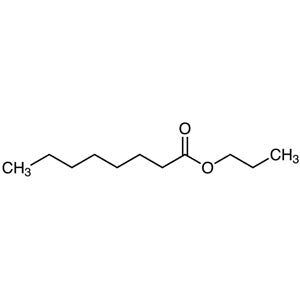
Propyln-Octanoate TCI P2113
Regular price Rp 2.016.000,00Regular price -
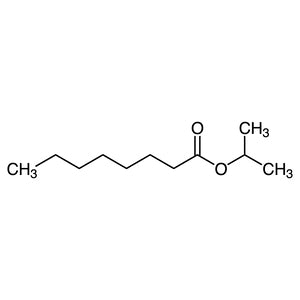
Isopropyln-Octanoate TCI O0157
Regular price Rp 955.500,00Regular price -
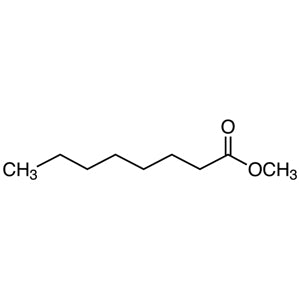
Methyln-Octanoate TCI O0033
Regular price From Rp 505.050,00Regular price -
Isobutyln-Octanoate TCI O0032
Regular price From Rp 1.140.300,00Regular price -
Ethyln-Octanoate TCI O0030
Regular price From Rp 505.050,00Regular price -
Butyln-Octanoate TCI O0029
Regular price Rp 1.008.000,00Regular price -
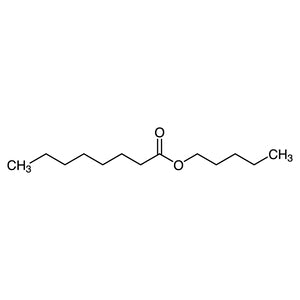
Amyln-Octanoate TCI O0028
Regular price From Rp 505.050,00Regular price