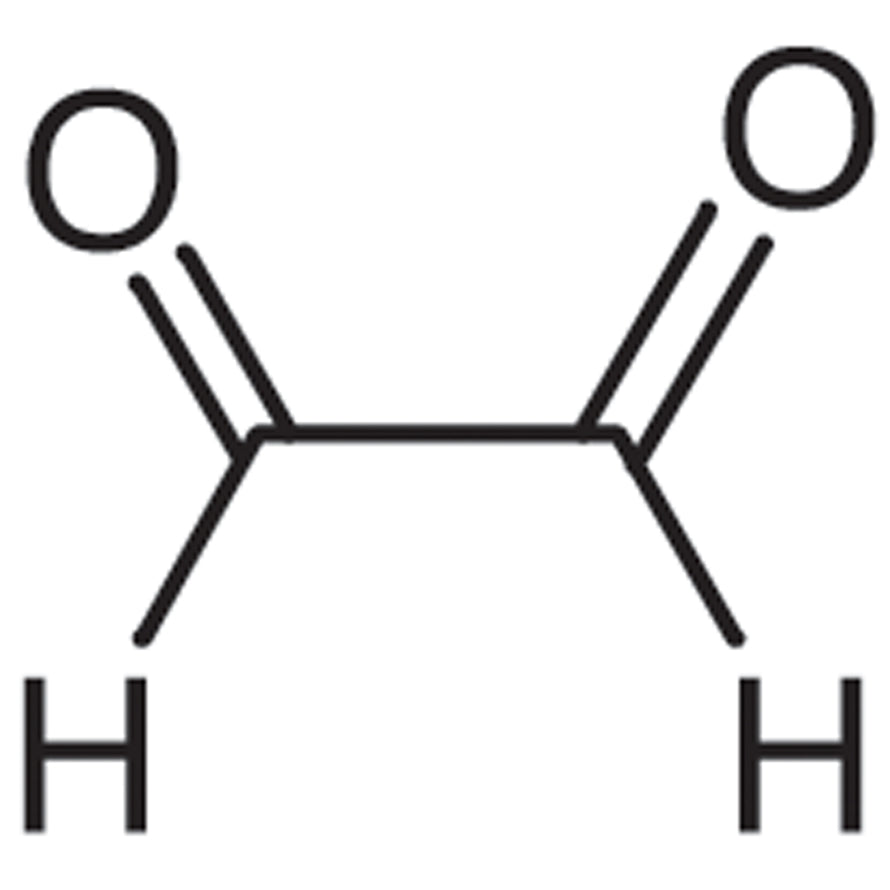
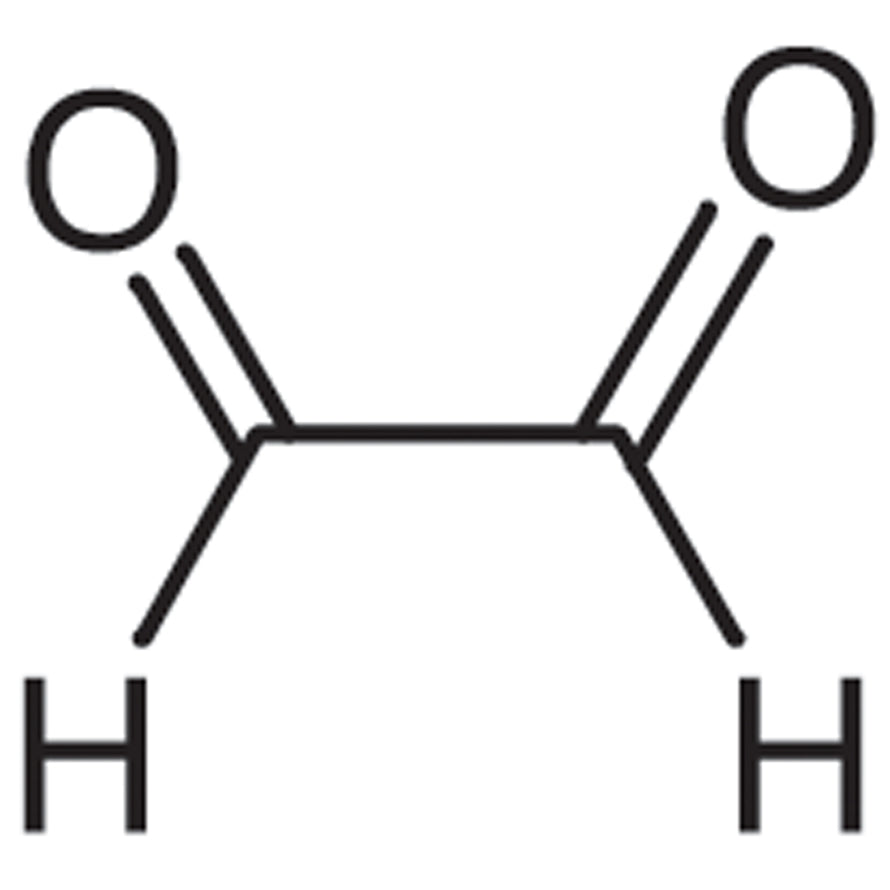
Glyoxal (39% in water, approximately 8.8 mol/L), also known as TCI G0152, is a versatile chemical compound widely used in laboratory settings for various synthetic and analytical applications. As a building block in organic chemistry, Glyoxal plays a crucial role in the formation of complex molecules through its ability to participate in multiple chemical reactions. It is commonly employed in oxidation, reduction, and covalent bond formation processes, making it an essential reagent for chemists working on diverse projects. Its reactivity and availability in a water-based solution make it a practical choice for both research and industrial applications.
The chemical properties of Glyoxal, including its polarity and solubility in water, contribute to its effectiveness in laboratory work. These characteristics allow for easy mixing and integration into various reaction systems, enhancing the efficiency of chemical processes. The 39% concentration in water provides a safer handling option compared to pure Glyoxal, while still maintaining its reactivity. This balance between safety and functionality makes it a preferred choice for laboratories requiring reliable and effective chemical reagents.
In Indonesian laboratories, Glyoxal is extensively used in chemical research, particularly in the development of pharmaceutical compounds, polymers, and industrial chemicals. Its role in synthesizing complex molecules and its compatibility with different reaction conditions make it a valuable asset in both academic and industrial research environments. The compound’s widespread application underscores its importance in the chemical industry and scientific research in Indonesia.
Related TCI products
- TCI G0154 332360-05-1 Glyoxal Sodium Bisulfite Hydrate (contains oligomers)
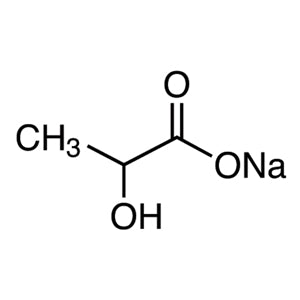
- TCI S0928 72-17-3 Sodium DL-Lactate (60% in Water)
- TCI S0136 89-08-7 4-Sulfophthalic Acid (contains 3-Sulfophthalic Acid) (ca 50% in Water)
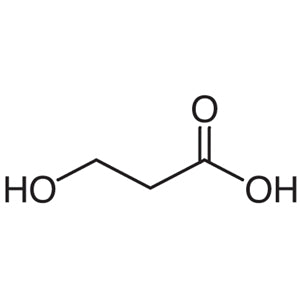
- TCI H0297 503-66-2 3-Hydroxypropionic Acid (contains varying amounts of 3,3'-Oxydipropionic Acid) (ca 30% in Water, ca 36mol/L)
- TCI G0366 298-12-4 Glyoxylic Acid (ca 50% in Water, ca 9mol/L)
- TCI G0245 110-94-1 Glutaric Acid (ca. 50% in Water, ca. 4.3mol/L)
- Glyoxal is ideal for organic synthesis due to its ability to form covalent bonds and participate in various reaction mechanisms.
- It is commonly used in oxidation and reduction reactions, where its reactivity allows for efficient transformation of organic compounds.
- Glyoxal is a preferred reagent in polymer chemistry for its role in cross-linking and chain formation processes.
- It is widely applied in pharmaceutical research for the synthesis of complex drug molecules and functional groups.
- Glyoxal is used in industrial chemical production for the creation of specialty chemicals and intermediate compounds.
| Brand | TCI |
|---|---|
| CAS number | 107-22-2 |
| Molecular formula | — |
| Purity | — |
| Category | Chemistry > Building Blocks > Non-Heterocyclic Building Blocks |
| Pack sizes | 100 mL, 500 mL, 1 L |
| Physical form | Aqueous solution |
| Storage | Store in a cool, dark place away from direct sunlight and incompatible materials. |
Glyoxal should be stored in a cool, dark environment to maintain its stability and prevent degradation. It is recommended to keep it in a tightly sealed container made of glass or polyethylene to avoid chemical interactions. Due to its reactivity, Glyoxal should be handled with care, using appropriate personal protective equipment such as gloves and goggles. It is important to store it away from strong oxidizing agents and incompatible substances to ensure safety. In laboratory settings, Glyoxal should be kept in a well-ventilated area to minimize exposure and maintain a safe working environment. Proper labeling and storage practices are essential to prevent accidental use and ensure compliance with safety regulations.
—
Produk Terkait
-
GlyoxalSodiumBisulfiteHydrate(containsoligomers) TCI G0154
Regular price Rp 477.750,00Regular price -
SodiumDL-Lactate(60%inWater) TCI S0928
Regular price Rp 823.200,00Regular price -
4-SulfophthalicAcid(contains3-SulfophthalicAcid)(ca50%inWater) TCI S0136
Regular price From Rp 557.550,00Regular price -
3-HydroxypropionicAcid(containsvaryingamountsof3,3'-OxydipropionicAcid)(ca30%inWater,ca36mol/L) TCI H0297
Regular price From Rp 3.738.000,00Regular price -
GlyoxylicAcid(ca50%inWater,ca9mol/L) TCI G0366
Regular price From Rp 743.400,00Regular price -
GlutaricAcid(ca.50%inWater,ca.4.3mol/L) TCI G0245
Regular price Rp 2.068.500,00Regular price -
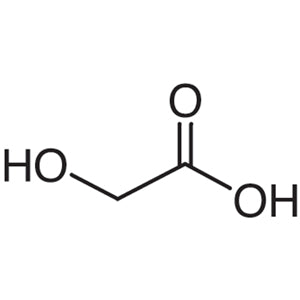
GlycolicAcid(ca70%inWater,ca12mol/L) TCI G0110
Regular price From Rp 477.750,00Regular price -
Glutaraldehyde(ca50%inWater,ca56mol/L) TCI G0068
Regular price From Rp 505.050,00Regular price