TCI H0188 3'-Hydroxyacetanilide, also known as metacetamol, is the meta isomer of acetaminophen, with the hydroxyl group positioned at the three position of the aromatic ring. In the laboratory this compound holds a very distinctive role: it serves as the structural comparator for paracetamol in structure–activity relationship work and in hepatic toxicology studies. Because the difference in hydroxyl position gives rise to a different metabolic pathway, this isomer is widely used as a comparative control in experiments tracing the mechanism by which reactive metabolites are formed. Beyond that, as an aromatic building block it supplies two distinct functional groups on a single simple framework.
The property that makes this compound the preferred choice is the combination of a phenol group and an acetyl amide group within one molecule, which provides two reaction points of differing reactivity and therefore allows selective modification during stepwise synthesis. The phenol group can be alkylated, acylated, or used as an ether linkage point, while the amide remains comparatively stable under ordinary reaction conditions. The compound is a crystalline solid that is easy to weigh out and dissolves in polar solvents such as methanol and ethanol, which keeps sample preparation straightforward for both synthetic and analytical work.
In Indonesian laboratories this material is typically found in pharmaceutical research groups, university organic synthesis laboratories, and toxicology units that study drug metabolism. It is commonly kept as a reference isomer alongside paracetamol so that comparative experiments can be run side by side within a single study. Synthetic chemistry groups also draw on it as a starting framework when preparing substituted aromatic derivatives, where its dual functionality shortens the route to the target structure.
Related TCI products
- Structure–activity relationship studies: the meta hydroxyl placement makes it the natural structural counterpart to paracetamol, allowing researchers to isolate the effect of substitution position on observed activity.
- Hepatic toxicology research: because its metabolic route differs from that of the para isomer, it serves as a comparative control when investigating how reactive metabolites arise in liver systems.
- Stepwise organic synthesis: the phenol and acetyl amide groups react under different conditions, so chemists can modify one site selectively while leaving the other intact throughout the sequence.
- Ether and aryl linkage construction: the phenol group functions as a reliable attachment point for alkylation or ether coupling when building larger substituted aromatic frameworks from a simple core.
- Analytical reference and comparison work: as an easily weighed crystalline solid soluble in methanol and ethanol, it prepares cleanly into solutions used for isomer comparison and method development.
| Brand | TCI |
|---|---|
| CAS number | 621-42-1 |
| Molecular formula | — |
| Purity | — |
| Category | Chemistry > Building Blocks > Non-Heterocyclic Building Blocks |
| Pack sizes | available in the standard TCI catalogue pack sizes; please confirm the size required when ordering |
| Physical form | crystalline solid, soluble in polar solvents including methanol and ethanol |
| Storage | keep in a tightly closed container in a cool, dry place away from light |
Store the container tightly closed in a cool, dry area, away from direct sunlight and from sources of heat or ignition. The original manufacturer bottle is the most suitable container; if the material is transferred, use a clean amber glass or chemically compatible vessel with a well-fitting cap and a clearly written label including the compound name and CAS number. Handle in a fume hood or a well-ventilated area, and wear a laboratory coat, safety goggles, and chemical-resistant gloves when weighing or dissolving the solid. Avoid raising dust during transfer, close the container immediately after use to limit moisture uptake, and clean any spilled solid promptly. Wash hands thoroughly after handling, and follow your institution's chemical waste procedures for residues and contaminated consumables.
—
Produk Terkait
-
4'-Hydroxyacetanilide TCI H0190
Regular price From Rp 769.650,00Regular price -
2'-Hydroxyacetanilide TCI H0189
Regular price Rp 1.298.850,00Regular price -
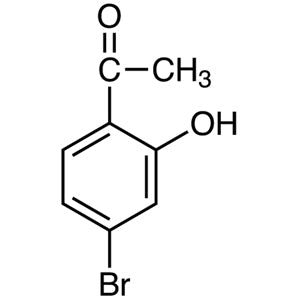
4'-Bromo-2'-hydroxyacetophenone TCI B5382
Regular price From Rp 823.200,00Regular price -
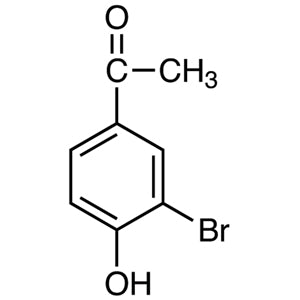
3'-Bromo-4'-hydroxyacetophenone TCI B5158
Regular price Rp 2.862.300,00Regular price -
2-Bromo-2'-hydroxyacetophenone TCI B4735
Regular price From Rp 1.565.550,00Regular price -
2-Bromo-4'-hydroxyacetophenone TCI B4115
Regular price From Rp 823.200,00Regular price -
3'-Amino-4'-hydroxyacetophenone TCI A3049
Regular price Rp 5.750.850,00Regular price -
2'-Amino-3'-hydroxyacetophenone TCI A1321
Regular price From Rp 1.193.850,00Regular price