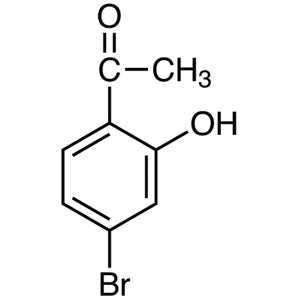
3'-Bromo-4'-hydroxyacetophenone is a chemical compound widely used as a foundational building block in the synthesis of complex organic molecules. It plays a crucial role in laboratory settings where functional group manipulation is required, particularly in substitution reactions. This compound is essential for researchers working on the development of new pharmaceuticals and advanced materials. Its versatility makes it a valuable resource for chemists seeking to create a wide range of derivatives.
The compound's stability and high reactivity make it a preferred choice for synthetic applications. Its molecular structure allows for efficient chemical reactions, enabling the formation of various functional groups. The presence of both bromo and hydroxyl groups enhances its utility in multi-step synthesis processes. These characteristics ensure that it remains a reliable and effective tool in organic chemistry research.
In Indonesian laboratories, 3'-Bromo-4'-hydroxyacetophenone is commonly used in organic chemistry research, especially in the fields of pharmaceuticals and material science. Its availability in solid form and stability under appropriate storage conditions make it a practical choice for researchers. Its widespread use highlights its importance in the development of new compounds and materials.
Related TCI products
- TCI B5382 30186-18-6 4'-Bromo-2'-hydroxyacetophenone
- TCI B4735 2491-36-3 2-Bromo-2'-hydroxyacetophenone
- TCI B4115 2491-38-5 2-Bromo-4'-hydroxyacetophenone
- TCI A3049 54255-50-4 3'-Amino-4'-hydroxyacetophenone
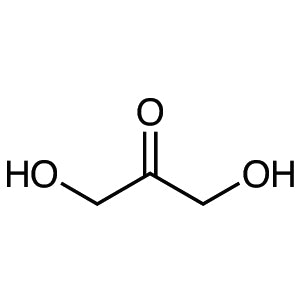
- TCI D5818 96-26-4 1,3-Dihydroxyacetone
- TCI D5020 17044-70-1 3',5'-Dichloro-4'-hydroxyacetophenone
- Synthesis of aromatic compounds requiring bromo reactivity: This compound is ideal for creating complex aromatic structures due to its bromo and hydroxyl functional groups.
- Organic chemistry research in pharmaceutical development: Its use in drug synthesis makes it a key component in the creation of new therapeutic agents.
- Material science applications for polymer synthesis: The compound's reactivity supports the development of advanced materials with specific functional properties.
- Functional group modification in organic synthesis: Its bromo and hydroxyl groups allow for versatile chemical transformations in synthetic pathways.
- Educational and research purposes in Indonesian academic institutions: It is frequently used in teaching and experimental settings to demonstrate chemical reactivity and synthesis techniques.
| Brand | TCI |
|---|---|
| CAS number | 1836-06-2 |
| Molecular formula | — |
| Purity | — |
| Category | Chemistry > Building Blocks > Non-Heterocyclic Building Blocks |
| Pack sizes | — |
| Physical form | Solid |
| Storage | Store in a cool, dry place away from light |
This compound should be stored in a cool, dry place away from direct light to maintain its stability and prevent degradation. It is recommended to use airtight containers to minimize exposure to moisture and air. Due to its reactivity, it should be handled with care in a well-ventilated laboratory environment. Proper personal protective equipment, such as gloves and safety goggles, should be worn during handling. It is important to avoid contact with incompatible materials to ensure safe storage and usage. Regular monitoring of storage conditions will help maintain the compound's integrity and effectiveness for laboratory applications.
—
Produk Terkait
-
4'-Bromo-2'-hydroxyacetophenone TCI B5382
Regular price From Rp 875.700,00Regular priceRp 627.900,00Sale price From Rp 875.700,00 -
2-Bromo-2'-hydroxyacetophenone TCI B4735
Regular price From Rp 1.618.050,00Regular priceRp 1.146.600,00Sale price From Rp 1.618.050,00 -
2-Bromo-4'-hydroxyacetophenone TCI B4115
Regular price From Rp 875.700,00Regular priceRp 627.900,00Sale price From Rp 875.700,00 -
3'-Amino-4'-hydroxyacetophenone TCI A3049
Regular price Rp 5.803.350,00Regular priceRp 4.074.000,00Sale price Rp 5.803.350,00 -
1,3-Dihydroxyacetone TCI D5818
Regular price From Rp 795.900,00Regular priceRp 556.500,00Sale price From Rp 795.900,00 -
3',5'-Dichloro-4'-hydroxyacetophenone TCI D5020
Regular price From Rp 2.544.150,00Regular priceRp 1.794.450,00Sale price From Rp 2.544.150,00 -
3',5'-Dichloro-2'-hydroxyacetophenone TCI D4742
Regular price From Rp 1.060.500,00Regular priceRp 757.050,00Sale price From Rp 1.060.500,00 -
3',5'-Dibromo-2'-hydroxyacetophenone TCI D4637
Regular price Rp 1.008.000,00Regular priceRp 720.300,00Sale price Rp 1.008.000,00