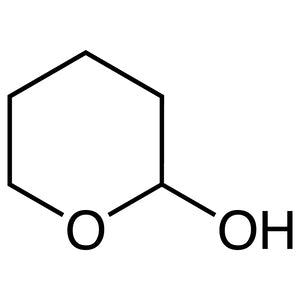
Tetrahydro-2H-pyran-2-ol is a six-membered heterocyclic compound containing a single oxygen atom within the ring and a hydroxyl group at the second position, which makes it structurally a lactol, or cyclic hemiacetal. This compound exists in equilibrium with its open-chain form, 5-hydroxypentanal, and can therefore be regarded as an aldehyde masked within a ring system that is far easier to handle. This dual nature is precisely what makes it a valuable intermediate in organic synthesis, particularly when a chemist requires an aldehyde that remains stable during storage.
The characteristic that leads researchers to select this compound is its ability to liberate the aldehyde functionality in situ whenever the reaction conditions demand it, removing the need to store a free aldehyde that tends to oxidise or polymerise readily. Researchers can employ it directly in Wittig reactions, reductive aminations, and a range of nucleophilic additions to the carbonyl group, while simultaneously obtaining a five-carbon chain bearing a terminal hydroxyl group that is ready for further functionalisation. The tetrahydropyran ring itself is a structural motif frequently encountered in natural products and biologically active compounds.
In Indonesian laboratories, this building block is typically used in synthetic organic chemistry research groups at universities and research institutes, as well as in development work where a protected aldehyde equivalent is needed. It suits workflows in which a five-carbon difunctional fragment must be introduced into a larger target molecule, and it is equally applicable in method development and teaching laboratories that cover carbonyl chemistry and heterocyclic synthesis.
Related TCI products
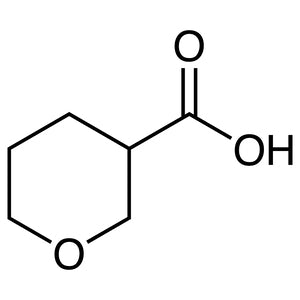
- TCI T4166 873397-34-3 Tetrahydro-2H-pyran-3-carboxylic Acid
- TCI T4112 51673-83-7 Tetrahydro-2H-pyran-2-carboxylic Acid
- TCI T4039 50675-18-8 Tetrahydro-2H-pyran-4-carboxaldehyde
- TCI T3668 1040377-03-4 1-(Tetrahydro-2H-pyran-4-yl)-4-(4,4,5,5-tetramethyl-1,3,2-dioxaborolan-2-yl)-1H-pyrazole
- TCI T3408 449758-17-2 1-(Tetrahydro-2H-pyran-2-yl)-1H-pyrazole
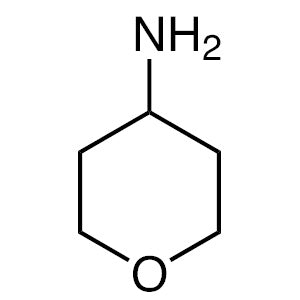
- TCI A2060 38041-19-9 Tetrahydro-2H-pyran-4-amine
- Masked aldehyde chemistry — the lactol form stores the aldehyde safely and releases it in situ, avoiding the oxidation and polymerisation that plague free aldehydes on the shelf.
- Wittig olefination — the compound supplies the carbonyl partner required for ylide addition, giving access to an alkene bearing a hydroxyl-terminated five-carbon chain for subsequent elaboration.
- Reductive amination — the equilibrium aldehyde reacts with primary or secondary amines and is reduced to the corresponding amine, delivering an aminopentanol framework in a single operation.
- Nucleophilic addition to carbonyls — organometallic and other nucleophiles add to the open-chain aldehyde form, extending the carbon skeleton while retaining the terminal hydroxyl handle.
- Heterocyclic building block synthesis — the tetrahydropyran ring is a motif common to natural products and bioactive compounds, making this reagent useful for constructing such scaffolds.
| Brand | TCI |
|---|---|
| CAS number | 694-54-2 |
| Molecular formula | — |
| Purity | — |
| Category | Chemistry > Building Blocks > Heterocyclic Building Blocks |
| Pack sizes | available in the pack sizes listed on this product page |
| Physical form | — |
| Storage | store according to the conditions stated on the manufacturer's label and safety data sheet |
- Catalogue number: H1905
Store the container tightly closed in a cool, dry, well-ventilated area away from direct sunlight, heat sources, and strong oxidising agents, following the conditions specified on the manufacturer's label and safety data sheet. Keep the material in its original supplier container, or in a chemically compatible tightly sealed glass container if transfer is required. Handle inside a fume hood while wearing safety goggles, gloves, and a laboratory coat, and keep the container closed when not in use to limit exposure to air and moisture. Because the compound exists in equilibrium with its open-chain aldehyde form, minimising air contact helps preserve material quality. Consult the safety data sheet before first use and dispose of residues through the laboratory's chemical waste system.
—
Produk Terkait
-
Tetrahydro-2H-pyran-3-carboxylicAcid TCI T4166
Regular price From Rp 1.405.950,00Regular price -
Tetrahydro-2H-pyran-2-carboxylicAcid TCI T4112
Regular price From Rp 1.565.550,00Regular price -
Tetrahydro-2H-pyran-4-carboxaldehyde TCI T4039
Regular price Rp 2.466.450,00Regular price -
1-(Tetrahydro-2H-pyran-4-yl)-4-(4,4,5,5-tetramethyl-1,3,2-dioxaborolan-2-yl)-1H-pyrazole TCI T3668
Regular price From Rp 769.650,00Regular price -
1-(Tetrahydro-2H-pyran-2-yl)-1H-pyrazole TCI T3408
Regular price From Rp 743.400,00Regular price -
Tetrahydro-2H-pyran-4-amine TCI A2060
Regular price Rp 1.140.300,00Regular price -
3-(Tetrahydro-2H-pyran-4-yl)-1H-pyrazolo[3,4-b]pyridin-5-amine TCI O0699
Regular price Rp 5.062.050,00Regular price -
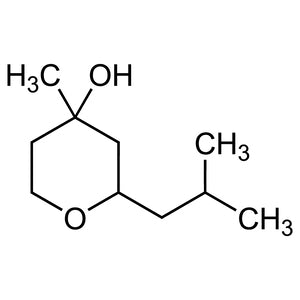
2-Isobutyl-4-methyltetrahydro-2H-pyran-4-ol(mixtureofisomers) TCI T4346
Regular price From Rp 1.378.650,00Regular price


![2251054-52-9 3-(Tetrahydro-2H-pyran-4-yl)-1H-pyrazolo[3,4-b]pyridin-5-amine - AMI Scientific](http://amiscientific.com/cdn/shop/files/TCI2510O0699.jpg?v=1767132287&width=533)