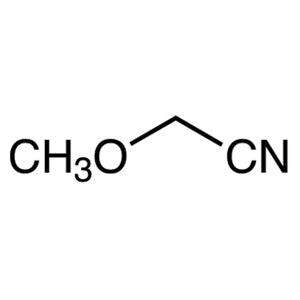
Methoxyacetonitrile is a chemical compound widely used as a building block in various laboratory applications, particularly in organic chemistry research. It serves as a versatile reagent that enables the synthesis of complex organic molecules and intermediates. Its molecular structure provides high reactivity, making it a valuable component in chemical reactions that require functional group transformations. In Indonesian laboratories, this compound is frequently employed in synthetic processes, contributing to the development of pharmaceuticals, industrial chemicals, and scientific research materials.
The compound’s chemical properties, including its polarity and solubility in organic solvents, make it a preferred choice for reactions involving polar molecules. Its ability to participate in substitution reactions and the presence of the methoxy group enhance its utility in synthetic pathways. Methoxyacetonitrile is also known for its stability under controlled conditions, although it remains reactive to environmental factors such as temperature and humidity. These characteristics make it suitable for use in a wide range of chemical applications where reactivity and solubility are critical.
In Indonesian laboratories, Methoxyacetonitrile is commonly used in organic chemistry research, especially in the synthesis of heterocyclic compounds and functionalized intermediates. Its role in academic and industrial research settings is significant, supporting the development of new chemical products and scientific discoveries. The compound’s availability and chemical versatility make it a standard item in many chemical laboratories across Indonesia.
TCI brochures (PDF)
- Battery Research Reagents 2026-09-18 · p. 5
Related TCI products
- Organic synthesis applications benefit from Methoxyacetonitrile’s reactivity and ability to form complex intermediates.
- It is ideal for substitution reactions due to its polar nature and solubility in organic solvents.
- Methoxyacetonitrile supports the creation of heterocyclic compounds, which are essential in pharmaceutical research.
- Its chemical stability under controlled conditions makes it suitable for use in controlled laboratory environments.
- It is frequently used in the development of industrial chemicals and specialty compounds requiring functional group modifications.
| Brand | TCI |
|---|---|
| CAS number | 1738-36-9 |
| Molecular formula | — |
| Purity | — |
| Category | Chemistry > Building Blocks > Non-Heterocyclic Building Blocks |
| Pack sizes | Available in standard laboratory quantities |
| Physical form | Liquid |
| Storage | Store in a cool, dry place away from light and moisture |
Methoxyacetonitrile should be stored in a cool, dry place away from direct light and moisture to maintain its chemical stability. It is recommended to use sealed containers made of materials compatible with organic solvents to prevent evaporation and contamination. Due to its reactivity, it should be handled in a well-ventilated laboratory environment, and appropriate personal protective equipment should be worn. Avoid exposure to high temperatures and humidity, as these can affect its chemical properties. Regular monitoring of storage conditions is essential to ensure the compound remains suitable for use in laboratory applications.
—
Product Categories
Produk Terkait
-
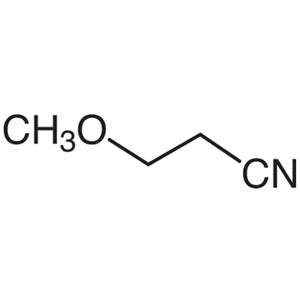
3-Methoxypropionitrile TCI M0653
Regular price From Rp 875.700,00Regular price -
EthyleneCyanohydrin TCI C0450
Regular price Rp 743.400,00Regular price -
2'-Amino-3'-methyl-4'-methoxyacetophenone TCI A3027
Regular price From Rp 2.677.500,00Regular price -
EthyleneGlycolBis(propionitrile)Ether TCI E0108
Regular price From Rp 3.287.550,00Regular price -
3-Ethoxypropionitrile TCI E0299
Regular price Rp 530.250,00Regular price -
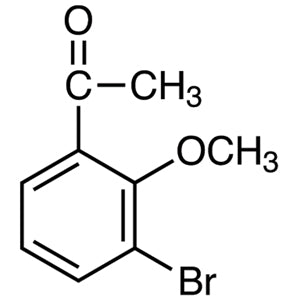
3'-Bromo-2'-methoxyacetophenone TCI B5498
Regular price From Rp 1.087.800,00Regular price -
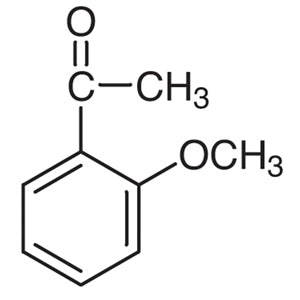
2'-Methoxyacetophenone TCI M1445
Regular price From Rp 2.094.750,00Regular price -
4'-Methoxyacetophenone TCI M0105
Regular price From Rp 557.550,00Regular price