Methyl 3-Methoxyacrylate with CAS number 34846-90-7 is an organic building block from TCI belonging to the class of methoxy-substituted acrylate esters. This compound is widely used as a synthetic starting material in organic chemistry laboratories, particularly when researchers require a three-carbon unit that already carries both an ester group and a vinylic ether group within a single molecule. The presence of two functional groups with different reactivity profiles makes it an efficient intermediate for constructing more complex molecular frameworks without the need for numerous additional protection and deprotection steps.
The characteristic that makes this material a preferred choice lies in the electronic pattern of its double bond. The methoxy group acts as an electron donor while the ester group acts as an electron withdrawer, producing a polarized system that allows the molecule to be attacked by nucleophiles at a specific position in a directed manner. This property is precisely why the compound is frequently employed in conjugate addition reactions as well as in cyclization reactions with binucleophilic reagents. Its liquid form under laboratory conditions also simplifies volumetric weighing and transfer using a micropipette or syringe.
In Indonesian laboratories, this building block is typically found in organic synthesis and medicinal chemistry research settings, where a reliable and well-characterized three-carbon synthon is needed for multi-step route development. Because it is supplied as a liquid, it fits naturally into standard bench workflows involving syringe transfer, inert-atmosphere handling, and small-scale reaction setups commonly used in university research groups and industrial R&D units.
Related TCI products
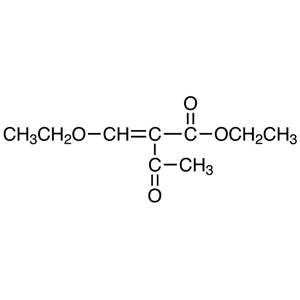
- TCI E1148 3788-94-1 Ethyl 2-Acetyl-3-ethoxyacrylate
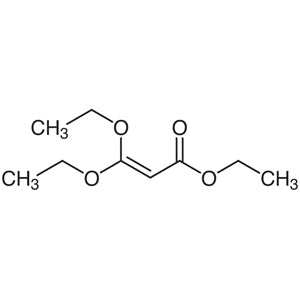
- TCI D2006 32002-24-7 Ethyl 3,3-Diethoxyacrylate
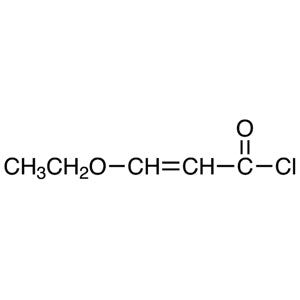
- TCI E1066 6191-99-7 3-Ethoxyacryloyl Chloride
- TCI E0041 1001-26-9 Ethyl 3-Ethoxyacrylate (cis- and trans- mixture)
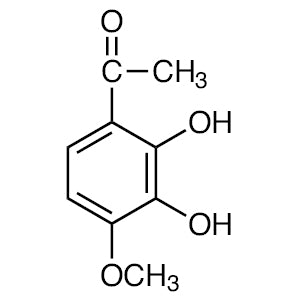
- TCI D2187 708-53-2 2',3'-Dihydroxy-4'-methoxyacetophenone
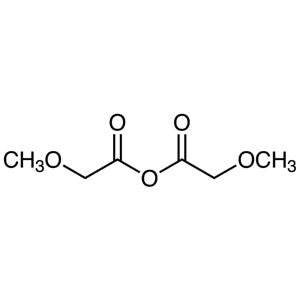
- TCI M3180 19500-95-9 2-Methoxyacetic Anhydride
- Conjugate addition reactions — the polarized double bond created by the opposing electronic effects of the methoxy and ester groups allows nucleophiles to add at a predictable position with good regiochemical control.
- Cyclization with binucleophilic reagents — the molecule presents two electrophilically distinct sites that binucleophiles can engage sequentially, making ring construction straightforward without extra activation steps being required.
- Multi-step organic synthesis route development — as a three-carbon unit already bearing both an ester and a vinylic ether, it reduces the number of protection and deprotection operations needed.
- Construction of complex molecular frameworks — the differing reactivity of its two functional groups lets chemists elaborate one site while leaving the other intact for later transformation stages.
- Small-scale exploratory bench chemistry — its liquid state at laboratory conditions makes volumetric measurement, micropipette dispensing, and syringe transfer convenient for reactions run on a milligram to gram scale.
| Brand | TCI |
|---|---|
| CAS number | 34846-90-7 |
| Molecular formula | — |
| Purity | — |
| Category | Chemistry > Building Blocks > Non-Heterocyclic Building Blocks |
| Pack sizes | — |
| Physical form | liquid under laboratory conditions |
| Storage | store according to the conditions stated on the manufacturer's label and safety data sheet |
- Product code: M0995
Store this product in a tightly closed original container, kept upright in a cool, dry, and well-ventilated area away from direct sunlight, heat sources, and ignition sources. Glass bottles with chemically resistant closures are suitable for retaining the material, and septum-capped vials are convenient when repeated syringe withdrawal is expected. Handle the liquid inside a fume hood while wearing safety goggles, a laboratory coat, and chemically resistant gloves. Avoid inhaling vapours and prevent contact with skin and eyes. Always consult the manufacturer's safety data sheet before opening the container, and record each withdrawal so that the remaining quantity and container condition can be monitored over time.
—
Produk Terkait
-
Ethyl2-Acetyl-3-ethoxyacrylate TCI E1148
Regular price From Rp 2.411.850,00Regular price -
Ethyl3,3-Diethoxyacrylate TCI D2006
Regular price Rp 5.009.550,00Regular price -
3-EthoxyacryloylChloride TCI E1066
Regular price Rp 3.630.900,00Regular price -
Ethyl3-Ethoxyacrylate(cis-andtrans-mixture) TCI E0041
Regular price From Rp 1.008.000,00Regular price -
2',3'-Dihydroxy-4'-methoxyacetophenone TCI D2187
Regular price From Rp 2.068.500,00Regular price -
2-MethoxyaceticAnhydride TCI M3180
Regular price Rp 1.485.750,00Regular price -
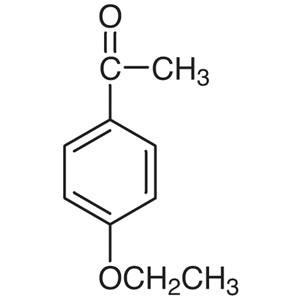
4'-Ethoxyacetophenone TCI E0458
Regular price Rp 1.829.100,00Regular price -
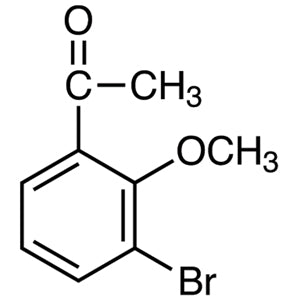
3'-Bromo-2'-methoxyacetophenone TCI B5498
Regular price From Rp 1.087.800,00Regular price