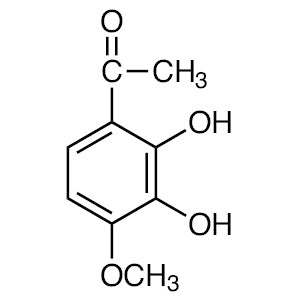
2',3'-Dihydroxy-4'-methoxyacetophenone is an acetophenone derivative whose aromatic ring carries two neighbouring hydroxyl groups together with a single methoxy group. This combination of substituents makes it a highly useful non-heterocyclic building block for the synthesis of natural phenolic compounds and their analogues. In the laboratory, the compound frequently serves as a starting point for preparing chromones, flavones, benzofurans, and other polyphenol frameworks that are widely studied for their biological activity. The acetyl group attached directly to the ring provides a reactive centre for condensation, while the ring oxygenation pattern is already established, allowing researchers to eliminate several protection and functionalisation steps.
The properties that make this compound a preferred choice are its specific substitution pattern and the difficulty of building that pattern from simpler starting materials. The two hydroxyl groups positioned ortho to one another give the molecule catechol character, enabling it to chelate metals and to participate in cyclisation reactions that form oxygen-containing rings. The methoxy group acts as an electron-donating substituent and simultaneously as a distinguishable positional marker in NMR analysis, making structural confirmation of products more straightforward. Intramolecular hydrogen bonding between the adjacent oxygen functions further influences the reactivity and handling behaviour of the material.
In Indonesian laboratories, this building block is typically used in university and institutional research groups working on natural product synthesis, medicinal chemistry, and the structural modification of phenolic scaffolds. It is generally handled at bench scale for multi-step synthetic routes, method development, and the preparation of reference compounds for analytical work. Because the required oxygenation pattern is already present, research teams can shorten synthetic sequences and conserve time and reagents on projects that would otherwise demand extensive protecting-group strategies.
Related TCI products
- Chromone and flavone synthesis: the ortho-positioned hydroxyl groups and the ring-bound acetyl function provide the exact arrangement needed for cyclisation into oxygen-containing heterocyclic cores.
- Benzofuran framework construction: the catechol-type substitution supports ring-closure chemistry that forms the fused oxygen heterocycle without additional oxygenation of the aromatic ring.
- Natural polyphenol analogue preparation: the pre-installed methoxy and dihydroxy pattern mirrors motifs found in natural phenolics, shortening routes toward structural analogues for study.
- Condensation reaction substrate: the acetyl group attached directly to the aromatic ring acts as a reactive centre for condensation chemistry that extends the carbon framework.
- Metal chelation and coordination studies: the two adjacent hydroxyl groups give the molecule catechol character capable of binding metal centres for coordination chemistry investigations.
| Brand | TCI |
|---|---|
| CAS number | 708-53-2 |
| Molecular formula | — |
| Purity | — |
| Category | Chemistry > Building Blocks > Non-Heterocyclic Building Blocks |
| Pack sizes | available in standard laboratory research pack sizes; please confirm the currently offered size when ordering |
| Physical form | — |
| Storage | keep the container tightly closed in a cool, dry, well-ventilated place away from light |
- Product code: D2187
Store the material in its original tightly closed container in a cool, dry, well-ventilated area, protected from light and kept away from strong oxidising agents. Phenolic compounds of this type can darken on prolonged exposure to air and light, so containers should be resealed promptly after each use and, where practical, kept in amber or opaque packaging. Handle in a fume hood using gloves, safety glasses, and a laboratory coat, and avoid generating dust or inhaling any airborne particles. Weigh out quantities using clean, dry spatulas and glassware to prevent contamination or moisture pickup. Consult the manufacturer's safety data sheet before first use, follow local institutional waste procedures for disposal, and record opening dates so that stock condition can be tracked over time.
—
Produk Terkait
-
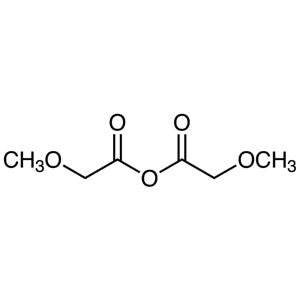
2-MethoxyaceticAnhydride TCI M3180
Regular price Rp 1.485.750,00Regular price -
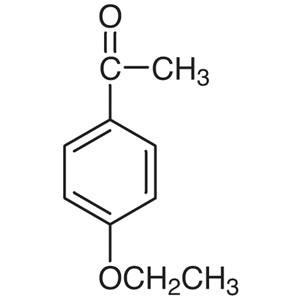
4'-Ethoxyacetophenone TCI E0458
Regular price Rp 1.829.100,00Regular price -
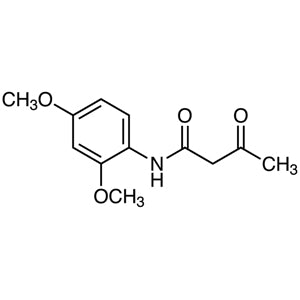
2',4'-Dimethoxyacetoacetanilide TCI D2083
Regular price From Rp 637.350,00Regular price -
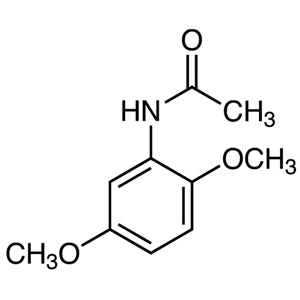
2',5'-Dimethoxyacetanilide TCI D1671
Regular price Rp 505.050,00Regular price -
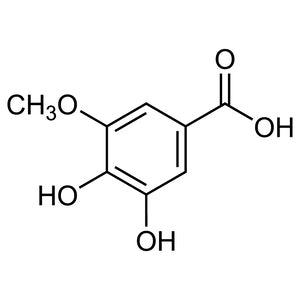
3,4-Dihydroxy-5-methoxybenzoicAcid TCI M3669
Regular price From Rp 3.578.400,00Regular price -
Methyl3,5-Dihydroxy-4-methoxybenzoate TCI M2794
Regular price Rp 3.630.900,00Regular price -
Methyl2,4-Dihydroxy-3,6-dimethylbenzoate TCI D6071
Regular price From Rp 1.273.650,00Regular price -
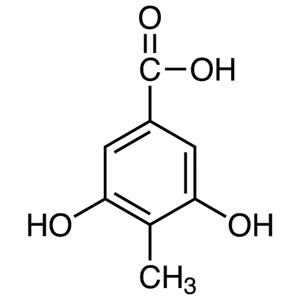
3,5-Dihydroxy-4-methylbenzoicAcid TCI D4712
Regular price From Rp 1.431.150,00Regular price