Methyl 3,5-Dihydroxy-4-methoxybenzoate is a chemical compound widely used in organic synthesis reactions within laboratory settings. This compound belongs to the category of non-heterocyclic building blocks and is valued for its structural versatility. Its aromatic ring structure, combined with hydroxyl and methoxy substituents, makes it a key player in the development of complex molecules. Due to its reactivity and stability, it is often employed as a starting material in the synthesis of various compounds, including pharmaceuticals, dyes, and industrial chemicals.
The compound’s chemical properties, such as its stability and controlled reactivity, make it a preferred choice for synthetic chemists. It exhibits good solubility in organic solvents, which facilitates its use in a wide range of experimental conditions. Its resistance to degradation under normal laboratory conditions enhances its reliability and usability. Additionally, its ability to participate in various functional group reactions makes it a versatile reagent in both academic and industrial research.
In Indonesian laboratories, Methyl 3,5-Dihydroxy-4-methoxybenzoate is commonly used in both fundamental and applied chemical research. It is a popular choice for synthesizing new compounds or modifying molecular structures. Its availability in the local market supports ongoing research efforts in universities and research institutions. Its utility in organic synthesis makes it an essential component in many experimental protocols.
Related TCI products
- TCI H0265 28508-48-7 Sodium 4-Hydroxy-3-methoxybenzoate
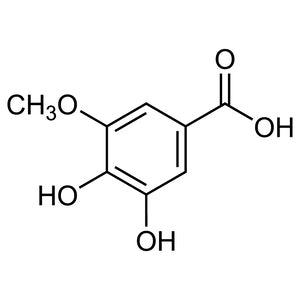
- TCI M3669 3934-84-7 3,4-Dihydroxy-5-methoxybenzoic Acid
- TCI D6071 4707-47-5 Methyl 2,4-Dihydroxy-3,6-dimethylbenzoate
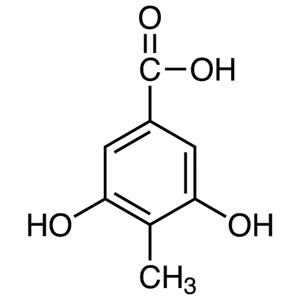
- TCI D4712 28026-96-2 3,5-Dihydroxy-4-methylbenzoic Acid
- TCI D4479 3934-87-0 3,4-Dihydroxy-5-methoxybenzaldehyde
- TCI D3645 116313-85-0 3,4-Dihydroxy-5-nitrobenzaldehyde
- Organic synthesis reactions where functional group modifications are required due to its reactivity and structural versatility.
- Pharmaceutical research for the development of new drugs as a building block in complex molecule synthesis.
- Dye and pigment production due to its aromatic structure and ability to participate in various chemical reactions.
- Industrial chemical synthesis as a reliable starting material for the creation of specialized compounds.
- Structural modification studies to explore new chemical properties and molecular behaviors.
| Brand | TCI |
|---|---|
| CAS number | 24093-81-0 |
| Molecular formula | — |
| Purity | — |
| Category | Chemistry > Building Blocks > Non-Heterocyclic Building Blocks |
| Pack sizes | Available in standard laboratory quantities |
| Physical form | Solid (exact form may vary based on supplier) |
| Storage | Store in a cool, dry place away from direct sunlight |
This compound should be stored in a cool, dry environment to maintain its chemical stability. It is recommended to keep it in a tightly sealed container to prevent moisture absorption and contamination. Due to its chemical nature, it should be handled in a well-ventilated area, and appropriate personal protective equipment should be worn. Avoid exposure to heat or direct sunlight to prevent degradation. It is suitable for storage in glass or polyethylene containers, depending on the specific form and purity. Always follow standard laboratory safety protocols when handling and using this material.
—
Produk Terkait
-
Sodium4-Hydroxy-3-methoxybenzoate TCI H0265
Regular price From Rp 2.016.000,00Regular price -
3,4-Dihydroxy-5-methoxybenzoicAcid TCI M3669
Regular price From Rp 3.578.400,00Regular price -
Methyl2,4-Dihydroxy-3,6-dimethylbenzoate TCI D6071
Regular price From Rp 1.273.650,00Regular price -
3,5-Dihydroxy-4-methylbenzoicAcid TCI D4712
Regular price From Rp 1.431.150,00Regular price -
3,4-Dihydroxy-5-methoxybenzaldehyde TCI D4479
Regular price From Rp 3.021.900,00Regular price -
3,4-Dihydroxy-5-nitrobenzaldehyde TCI D3645
Regular price Rp 2.862.300,00Regular price -
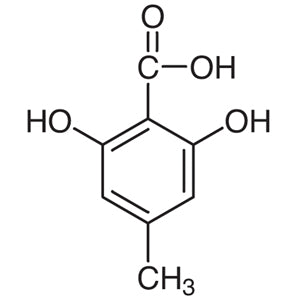
2,6-Dihydroxy-4-methylbenzoicAcid TCI D2770
Regular price Rp 7.234.500,00Regular price -
2,3-Dichloro-5,8-dihydroxy-1,4-naphthoquinone TCI D2421
Regular price From Rp 3.498.600,00Regular price