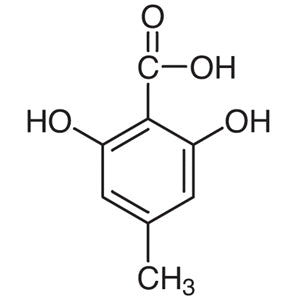
2,6-Dihydroxy-4-methylbenzoic Acid is a chemical compound widely used as a building block in various chemical reactions, particularly in the synthesis of complex organic compounds. Its versatile structure allows it to participate in multiple reaction types, making it a valuable resource for chemists. This compound is commonly found in laboratory settings where organic synthesis is required, supporting the development of pharmaceuticals, dyes, and cosmetic ingredients. Due to its chemical stability and moderate reactivity, it is a reliable choice for both research and industrial applications.
The compound’s chemical properties, including its ability to undergo esterification, hydrolysis, and substitution reactions, make it a preferred choice for synthetic chemists. Its availability in solid form and compatibility with a wide range of reagents enhance its practicality in laboratory experiments. Additionally, its straightforward molecular structure simplifies handling and manipulation, making it ideal for both novice and experienced researchers. These characteristics contribute to its popularity in laboratories that require accessible and reliable chemical building blocks.
In Indonesian laboratories, 2,6-Dihydroxy-4-methylbenzoic Acid is frequently used in both fundamental and applied chemical research. Educational and research institutions rely on this compound for experiments involving the synthesis of new compounds or structural modifications. Its widespread use underscores its importance in the chemical research landscape of Indonesia, where it supports the development of new materials and pharmaceuticals.
Related TCI products
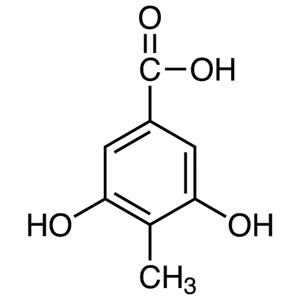
- TCI D4712 28026-96-2 3,5-Dihydroxy-4-methylbenzoic Acid
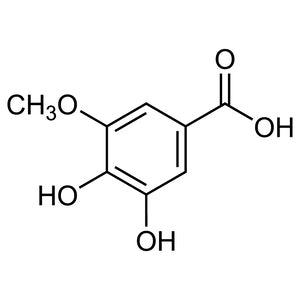
- TCI M3669 3934-84-7 3,4-Dihydroxy-5-methoxybenzoic Acid
- TCI M2794 24093-81-0 Methyl 3,5-Dihydroxy-4-methoxybenzoate
- TCI D6071 4707-47-5 Methyl 2,4-Dihydroxy-3,6-dimethylbenzoate
- TCI D4479 3934-87-0 3,4-Dihydroxy-5-methoxybenzaldehyde
- TCI D3645 116313-85-0 3,4-Dihydroxy-5-nitrobenzaldehyde
- Organic synthesis applications benefit from this compound's ability to participate in multiple reaction types, supporting the creation of complex molecules.
- Pharmaceutical research utilizes this compound as a key building block in the development of new drug compounds due to its chemical versatility.
- Cosmetic formulation processes use this compound as a component in the creation of various skincare and personal care products.
- Dye synthesis applications rely on its structural flexibility to produce a wide range of color compounds for industrial use.
- Analytical chemistry experiments use this compound as a standard reference material for calibration and quality control purposes.
| Brand | TCI |
|---|---|
| CAS number | 480-67-1 |
| Molecular formula | — |
| Purity | — |
| Category | Chemistry > Building Blocks > Non-Heterocyclic Building Blocks |
| Pack sizes | Available in various quantities as per standard laboratory supply |
| Physical form | Solid |
| Storage | Store in a cool, dry place away from direct sunlight and moisture |
This compound should be stored in a cool, dry environment to maintain its chemical stability. It is recommended to keep it in a sealed container to prevent moisture absorption and contamination. While it is generally stable under normal laboratory conditions, it should be handled with care to avoid exposure to extreme temperatures or direct sunlight. Appropriate personal protective equipment, such as gloves and safety goggles, should be worn during handling. The compound is not classified as hazardous under standard laboratory conditions, but standard safety protocols should be followed to ensure safe usage and storage.
—
Produk Terkait
-
3,5-Dihydroxy-4-methylbenzoicAcid TCI D4712
Regular price From Rp 1.431.150,00Regular price -
3,4-Dihydroxy-5-methoxybenzoicAcid TCI M3669
Regular price From Rp 3.578.400,00Regular price -
Methyl3,5-Dihydroxy-4-methoxybenzoate TCI M2794
Regular price Rp 3.630.900,00Regular price -
Methyl2,4-Dihydroxy-3,6-dimethylbenzoate TCI D6071
Regular price From Rp 1.273.650,00Regular price -
3,4-Dihydroxy-5-methoxybenzaldehyde TCI D4479
Regular price From Rp 3.021.900,00Regular price -
3,4-Dihydroxy-5-nitrobenzaldehyde TCI D3645
Regular price Rp 2.862.300,00Regular price -
2,3-Dichloro-5,8-dihydroxy-1,4-naphthoquinone TCI D2421
Regular price From Rp 3.498.600,00Regular price -
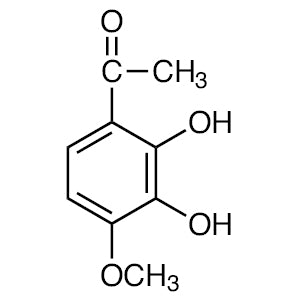
2',3'-Dihydroxy-4'-methoxyacetophenone TCI D2187
Regular price From Rp 2.068.500,00Regular price