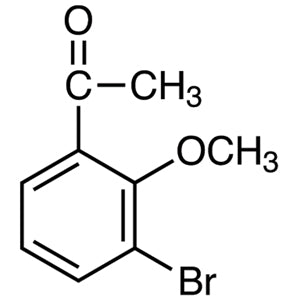
TCI D2083 2',4'-Dimethoxyacetoacetanilide is a non-heterocyclic building block belonging to the acetoacetanilide class, meaning an anilide that carries an active acetoacetyl chain together with two methoxy groups on the aromatic ring. In the laboratory, compounds of this type are well known as coupling components in the preparation of azo pigments and as versatile starting materials for the synthesis of heterocyclic compounds. The methylene group positioned between the two carbonyls of the acetoacetyl chain is highly reactive and therefore undergoes condensation, coupling, alkylation, and cyclisation reactions readily, making this material an efficient point of departure for many organic synthesis routes.
The property that makes it a preferred choice is the presence of three complementary reactive sites: the active methylene, the ketone group, and the amide group. The active methylene can react rapidly with diazonium salts to give strongly coloured yellow azo dyes, and it can equally react with hydrazine, urea, or amidines to form pyrazolone, pyrimidinone, and quinolinone rings. The two methoxy groups on the ring are electron-donating, so they raise the aromatic electron density, influence the colour of the resulting dye products, and help direct electrophilic substitution reactions.
In Indonesian laboratories, a building block of this character is typically used in organic synthesis and dye chemistry work, whether in university research groups, in colourant and pigment development, or in the preparation of heterocyclic intermediates for further study. Because a single reagent opens several distinct reaction pathways, it suits work programmes where researchers explore multiple synthetic routes from a common starting material, and it is supplied as a TCI-branded reagent for laboratory-scale preparative use.
Related TCI products
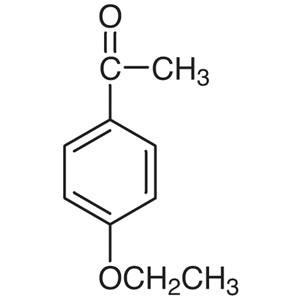
- TCI E0458 1676-63-7 4'-Ethoxyacetophenone
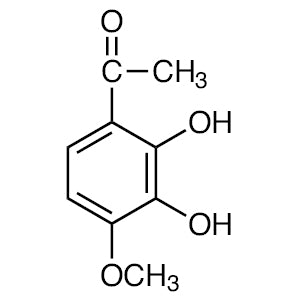
- TCI D2187 708-53-2 2',3'-Dihydroxy-4'-methoxyacetophenone
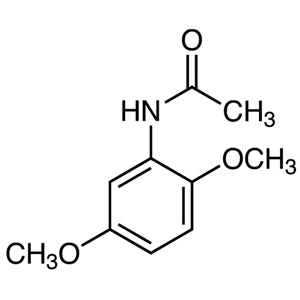
- TCI D1671 3467-59-2 2',5'-Dimethoxyacetanilide
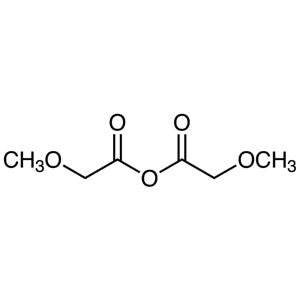
- TCI M3180 19500-95-9 2-Methoxyacetic Anhydride
- TCI D5584 6375-27-5 2',5'-Dimethoxyacetoacetanilide
- TCI C2100 4433-79-8 4'-Chloro-2',5'-dimethoxyacetoacetanilide
- Azo pigment and azo dye preparation: the active methylene couples rapidly with diazonium salts to yield strongly coloured yellow azo dyes for colourant work.
- Pyrazolone ring synthesis: reaction of the acetoacetyl chain with hydrazine builds the pyrazolone core, a frequent target in heterocyclic and colourant chemistry research.
- Pyrimidinone synthesis: condensation with urea or amidines closes the pyrimidinone ring, giving access to nitrogen heterocycles from a single convenient starting material.
- Quinolinone synthesis: the combination of active methylene, ketone, and amide functionality allows cyclisation routes that deliver quinolinone frameworks in preparative organic chemistry.
- General condensation, alkylation, and cyclisation studies: the highly reactive methylene between two carbonyls makes this reagent an efficient entry point for exploring many synthetic pathways.
| Brand | TCI |
|---|---|
| CAS number | 16715-79-0 |
| Molecular formula | — |
| Purity | — |
| Category | Chemistry > Building Blocks > Non-Heterocyclic Building Blocks |
| Pack sizes | available in the pack sizes listed for this catalogue item; store as indicated on the manufacturer's label and product documentation |
| Physical form | — |
| Storage | — |
- Catalogue reference: D2083
- Chemical name: 2',4'-Dimethoxyacetoacetanilide
Keep the container tightly closed and store it in a cool, dry, well-ventilated area away from heat, ignition sources, moisture, and incompatible materials, following the storage conditions stated on the manufacturer's label and safety data sheet. Retain the material in its original supplier container, or transfer it to a clean, chemically compatible and clearly labelled container when dispensing. Handle the reagent in a fume hood using appropriate personal protective equipment, including safety glasses, gloves, and a laboratory coat. Avoid generating dust, avoid skin and eye contact, and consult the safety data sheet before use, dispensing, and disposal.
—
Produk Terkait
-
4'-Ethoxyacetophenone TCI E0458
Regular price Rp 1.829.100,00Regular price -
2',3'-Dihydroxy-4'-methoxyacetophenone TCI D2187
Regular price From Rp 2.068.500,00Regular price -
2',5'-Dimethoxyacetanilide TCI D1671
Regular price Rp 505.050,00Regular price -
2-MethoxyaceticAnhydride TCI M3180
Regular price Rp 1.485.750,00Regular price -
2',5'-Dimethoxyacetoacetanilide TCI D5584
Regular price From Rp 2.094.750,00Regular price -
4'-Chloro-2',5'-dimethoxyacetoacetanilide TCI C2100
Regular price Rp 1.485.750,00Regular price -
Acetoacetanilide TCI A0046
Regular price From Rp 505.050,00Regular price -
3'-Bromo-2'-methoxyacetophenone TCI B5498
Regular price From Rp 1.087.800,00Regular price