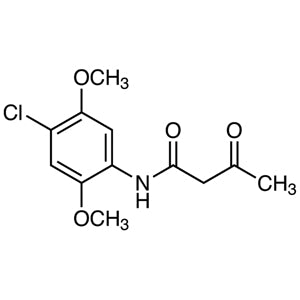
4'-Chloro-2',5'-dimethoxyacetoacetanilide (CAS 4433-79-8) is an organic compound belonging to the acetoacetanilide class and serves as a building block in organic chemical synthesis. In the laboratory, it is primarily used as a coupling component in the manufacture of azo dyes, organic pigments, and intermediates for the pharmaceutical and agrochemical industries. Its molecular structure contains an acetoacetate group that is reactive toward diazonium salts, which makes it an ideal starting material for designing derivative molecules with a wide variety of functional groups. Because of its status as an intermediate, the compound typically undergoes further reaction steps and is rarely used directly as a finished product, so its presence mainly supports research and development activities in organic chemistry laboratories.
The compound features an aromatic ring substituted with a chloro group and two methoxy groups, a combination that imparts distinctive electronic characteristics to the molecule. This substitution pattern gives the material a well-defined reactivity profile, allowing researchers to predict and control the outcome of coupling reactions with high reproducibility. The reactive acetoacetate moiety enables clean, efficient transformations when paired with diazonium salts, which is why it is a preferred choice for constructing azo chromophores and complex target molecules. Researchers in synthetic chemistry, materials chemistry, and analytical chemistry rely on this building block to assemble increasingly complex target compounds step by step, with results that can be consistently reproduced across batches and experimental runs.
In Indonesian laboratories, this compound supports research and development across organic synthesis and applied chemistry. It is routinely stocked by laboratory suppliers as a dependable intermediate for academic research groups, industrial R&D facilities, and quality control laboratories working on dyes, pigments, and fine chemical intermediates. Researchers use it to build more complex target molecules gradually and reproducibly, whether for developing new colorants, preparing agrochemical intermediates, or studying structure–activity relationships. Its consistent availability and defined reactivity make it a reliable component in the daily workflow of laboratories focused on organic chemistry and material development, thereby contributing meaningfully to ongoing research and product innovation in the region.
Related TCI products
- Azo dye synthesis: As a coupling component, the compound reacts with diazonium salts to form azo chromophores, making it an essential starting material for preparing azo dyes with controlled color and functional group diversity.
- Organic pigment manufacture: Its acetoacetate group enables the formation of stable coupling products used in organic pigment production, where the reproducible electronic character of the molecule supports consistent color performance.
- Pharmaceutical intermediate preparation: The compound serves as a building block for constructing drug intermediates, allowing chemists to introduce the substituted aromatic scaffold into more complex biologically relevant target molecules.
- Agrochemical research and development: In agrochemical development, it is used to assemble intermediates for active ingredients, where its predictable reactivity supports stepwise construction of target molecules with reproducible yields.
- Academic organic synthesis training: In teaching and research laboratories, it is a dependable substrate for demonstrating coupling chemistry and for building non-heterocyclic building blocks into advanced synthetic targets.
| Brand | TCI |
|---|---|
| CAS number | 4433-79-8 |
| Molecular formula | — |
| Purity | — |
| Category | Chemistry > Building Blocks > Non-Heterocyclic Building Blocks |
| Pack sizes | refer to the supplier catalog for available pack sizes and quantities |
| Physical form | — |
| Storage | — |
- Product name: TCI C2100 4'-Chloro-2',5'-dimethoxyacetoacetanilide
Store the compound in its original, tightly sealed container in a cool, dry, and well-ventilated area, away from direct sunlight, heat sources, and incompatible materials such as strong oxidizing agents. Keep the container closed when not in use to prevent moisture absorption and contamination. Wear appropriate personal protective equipment, including laboratory gloves, safety goggles, and a lab coat, whenever handling the material, and work in a fume hood or well-ventilated area to minimize exposure to dust. Avoid inhalation, skin contact, and ingestion, and wash hands thoroughly after handling. Keep the substance away from open flames and ignition sources, and follow standard laboratory waste disposal procedures for chemical intermediates.
—
Produk Terkait
-
2',5'-Dimethoxyacetoacetanilide TCI D5584
Regular price From Rp 2.094.750,00Regular price -
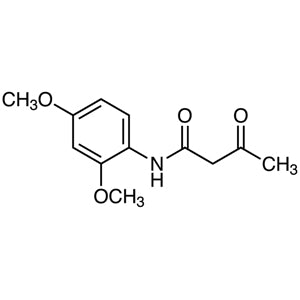
2',4'-Dimethoxyacetoacetanilide TCI D2083
Regular price From Rp 637.350,00Regular price -
Acetoacetanilide TCI A0046
Regular price From Rp 505.050,00Regular price -
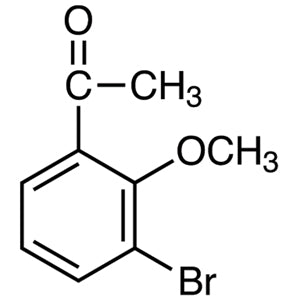
3'-Bromo-2'-methoxyacetophenone TCI B5498
Regular price From Rp 1.087.800,00Regular price -
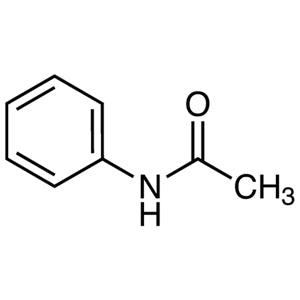
Acetanilide TCI A3272
Regular price Rp 1.140.300,00Regular price -
2'-Amino-3'-methyl-4'-methoxyacetophenone TCI A3027
Regular price From Rp 2.677.500,00Regular price -
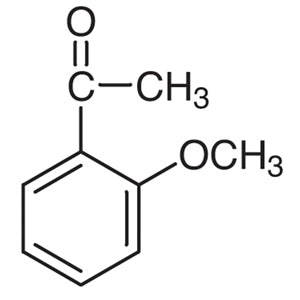
2'-Methoxyacetophenone TCI M1445
Regular price From Rp 2.094.750,00Regular price -
4'-Methoxyacetophenone TCI M0105
Regular price From Rp 557.550,00Regular price