


TCI M1933 Methyl 2,3,6-Tri-O-benzoyl-alpha-D-galactopyranoside, CAS 3601-36-3, is a selectively protected galactose sugar derivative. Three of its hydroxyl groups, at the two, three, and six positions, are esterified as benzoates, while the anomeric position is capped as a methyl glycoside in the alpha configuration. The material belongs to the glycoscience category, the field concerned with carbohydrates and their conjugates. In carbohydrate synthesis laboratories, partially protected compounds of this kind are highly valuable because they present a single free hydroxyl group ready for directed reaction, without requiring a long sequence of protection steps beforehand.
Its principal advantage lies in the neatly organised protection pattern. Benzoyl groups are stable under mildly acidic conditions and under the glycosylation conditions commonly employed, yet they can be cleanly removed by basic methanolysis once the sugar framework has been fully assembled. The anomeric position, locked as an alpha methyl glycoside, eliminates the complication of anomeric mixtures, so the stereochemistry of the product is preserved throughout the synthetic sequence. The remaining hydroxyl group at the four position serves as a single reactive site that can be glycosylated, alkylated, or acylated with predictable regiochemistry.
In Indonesian laboratories, this building block is used in university and institutional research groups working on carbohydrate chemistry and glycoscience. It suits synthetic work where a defined, ready-made protected galactose unit saves preparation time and avoids the accumulation of yield losses across multiple protecting-group manipulations. It is typically handled in small-scale synthetic work on the bench and in fume hoods, alongside standard reagents for glycosylation and deprotection chemistry.
- Oligosaccharide synthesis: the single free hydroxyl at the four position acts as a defined glycosyl acceptor site, allowing chain extension without competing reaction at other positions.
- Regioselective derivatisation studies: the pre-installed benzoate pattern leaves only one reactive hydroxyl, making it straightforward to introduce alkyl, acyl, or other functional groups at a known position.
- Glycoconjugate building block preparation: the locked alpha methyl glycoside preserves anomeric stereochemistry during downstream coupling, supporting the assembly of carbohydrate conjugates with defined configuration.
- Protecting-group methodology research: the benzoyl groups withstand mildly acidic and glycosylation conditions yet are cleanly cleaved by basic methanolysis, making this a useful substrate for deprotection studies.
- Glycoscience teaching and reference work: the compound illustrates selective protection strategy in carbohydrate chemistry and serves as a defined starting material for training in synthetic sugar chemistry.
| Brand | TCI |
|---|---|
| CAS number | 3601-36-3 |
| Molecular formula | — |
| Purity | — |
| Category | Chemistry > Chemical Biology > Glycoscience |
| Pack sizes | available in standard TCI research packaging; please confirm the pack size when ordering |
| Physical form | — |
| Storage | store according to the manufacturer's stated conditions on the product label and safety data sheet |
- Product code: M1933
Store the container tightly closed in a cool, dry place away from direct sunlight, moisture, and sources of heat or ignition, following the storage conditions stated by the manufacturer on the product label and safety data sheet. Keep the material in its original supplier container or in a clean, well-sealed glass container that is clearly labelled with the compound name and CAS number. Handle the material in a fume hood using a laboratory coat, nitrile gloves, and safety glasses, and avoid the generation of dust. Weigh and transfer with clean, dry spatulas to prevent contamination and moisture ingress. Dispose of residues and contaminated consumables through the laboratory's chemical waste procedures, and consult the safety data sheet before first use.
—
Produk Terkait
-
Phenyl2-O-Acetyl-3,4,6-tri-O-benzyl-1-thio-beta-D-galactopyranoside TCI P2078
Regular price Rp 10.229.100,00Regular price -
4-Nitrophenylbeta-D-Galactopyranoside[Substrateforbeta-Galactosidase] TCI N0616
Regular price From Rp 1.961.400,00Regular price -
4-Methoxyphenylbeta-D-Galactopyranoside TCI M1481
Regular price Rp 2.730.000,00Regular price -
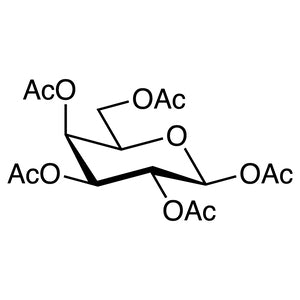
Penta-O-acetyl-beta-D-galactopyranose TCI G0247
Regular price From Rp 2.677.500,00Regular price -
4-Nitrophenylalpha-D-Galactopyranoside[Substrateforalpha-D-Galactosidase] TCI N0492
Regular price Rp 1.298.850,00Regular price -
Methylalpha-D-GalactopyranosideMonohydrate TCI M1047
Regular price From Rp 1.936.200,00Regular price -
1,2:3,4-Di-O-isopropylidene-alpha-D-galactopyranose TCI D2555
Regular price From Rp 1.618.050,00Regular price -
5-Bromo-3-indolylbeta-D-Galactopyranoside[forBiochemicalResearch] TCI B3470
Regular price From Rp 743.400,00Regular price

![3150-24-1 4-Nitrophenyl beta-D-Galactopyranoside [Substrate for beta-Galactosidase] - AMI Scientific](http://amiscientific.com/cdn/shop/files/TCI2510N0616.jpg?v=1767130131&width=533)

![7493-95-0 4-Nitrophenyl alpha-D-Galactopyranoside [Substrate for alpha-D-Galactosidase] - AMI Scientific](http://amiscientific.com/cdn/shop/files/TCI2510N0492.jpg?v=1767129934&width=533)


![97753-82-7 5-Bromo-3-indolyl beta-D-Galactopyranoside [for Biochemical Research] - AMI Scientific](http://amiscientific.com/cdn/shop/files/TCI2510B3470.jpg?v=1768193597&width=533)