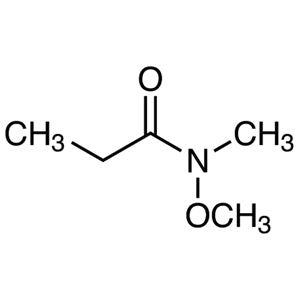
TCI M3096 N-Methoxy-N-methylpropionamide is a Weinreb amide derived from propionic acid, a class of reagents that occupies a privileged position in modern organic synthesis. This non-heterocyclic building block serves as a source of the propionyl acyl group, which it delivers to organometallic nucleophiles cleanly and under control. Its principal role in the laboratory is to make ketones accessible from Grignard or organolithium reagents without the double addition that would otherwise yield a tertiary alcohol — a classical problem that for many years limited the use of ordinary carboxylic acid derivatives in acylation reactions.
The characteristic property that makes Weinreb amides so highly valued lies in the N-methoxy-N-methyl group, which stabilises the tetrahedral intermediate by forming a five-membered chelate with the metal. That chelate persists through to the final work-up stage, so the ketone is released only upon hydrolysis and the second equivalent of nucleophile never has the opportunity to attack. The reagent can also be reduced with lithium aluminium hydride to furnish an aldehyde directly, giving two distinct transformation pathways from one and the same starting material.
As a relatively stable liquid compound, this amide is convenient to dispense and handle on the bench. In Indonesian laboratories it is used in academic and industrial organic synthesis groups pursuing multi-step routes, particularly in university research programmes and process development work where a reliable propionyl donor is needed. Because the material is supplied by TCI under a defined catalogue reference, it suits laboratories that require consistent identity from one procurement cycle to the next.
TCI brochures (PDF)
- Weinreb Amides 2025-12-26 · p. 1
Related TCI products
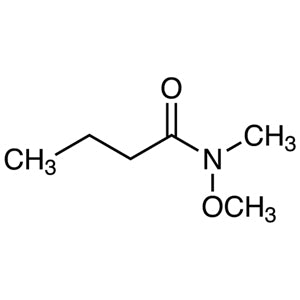
- TCI M3097 109480-78-6 N-Methoxy-N-methylbutyramide
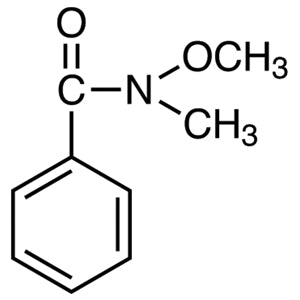
- TCI M2672 6919-61-5 N-Methoxy-N-methylbenzamide
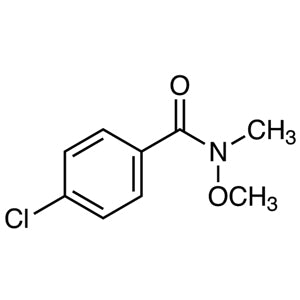
- TCI C3486 122334-37-6 4-Chloro-N-methoxy-N-methylbenzamide
- TCI B5728 192436-83-2 4-Bromo-N-methoxy-N-methylbenzamide
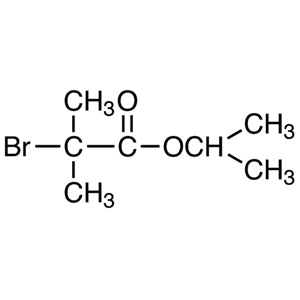
- TCI I0920 51368-55-9 Isopropyl 2-Bromo-2-methylpropionate
- TCI D6180 709-98-8 N-(3,4-Dichlorophenyl)propionamide
- Ketone synthesis from Grignard reagents: the Weinreb amide stops cleanly at the ketone stage, avoiding the tertiary alcohol that forms when ordinary esters or acid chlorides are used with organomagnesium nucleophiles.
- Ketone synthesis from organolithium reagents: the chelated tetrahedral intermediate survives the highly reactive organolithium conditions, so the propionyl group is transferred once and only once per molecule.
- Direct aldehyde preparation: reduction with lithium aluminium hydride releases the corresponding aldehyde without over-reduction to the alcohol, sparing the separate oxidation step a conventional route would demand.
- Multi-step total synthesis: as a propionyl building block it introduces a defined three-carbon acyl fragment at a chosen point in a sequence, supporting convergent route design in academic research.
- Methodology and process development studies: the predictable, well-documented reactivity of this reagent class makes it a dependable reference substrate when new acylation conditions or catalyst systems are being evaluated.
| Brand | TCI (Tokyo Chemical Industry), catalogue reference M3096 |
|---|---|
| CAS number | 104863-65-2 |
| Molecular formula | — |
| Purity | — |
| Category | Chemistry > Building Blocks > Non-Heterocyclic Building Blocks |
| Pack sizes | available in the pack sizes listed by TCI for this catalogue item; please confirm the size required when ordering |
| Physical form | liquid |
| Storage | keep in a cool place, in a tightly closed original container |
- Chemical name: N-Methoxy-N-methylpropionamide
Store the container tightly closed in a cool, dry and well-ventilated area, away from heat sources, ignition sources and direct sunlight, and separated from strong oxidising agents. Keep the material in the original supplier container or in a compatible sealed glass vessel with a chemically resistant closure; protect from moisture, since the reagent is intended for use with moisture-sensitive organometallic nucleophiles. All dispensing and reaction work should be carried out in a fume hood by trained personnel wearing safety glasses, chemically resistant gloves and a laboratory coat. Where the compound is to be used under anhydrous conditions, transfer under an inert atmosphere using dry syringes or cannula technique. Consult the manufacturer's Safety Data Sheet before first use and follow institutional procedures for chemical waste collection and disposal.
—
Produk Terkait
-
N-Methoxy-N-methylbutyramide TCI M3097
Regular price From Rp 1.273.650,00Regular price -
N-Methoxy-N-methylbenzamide TCI M2672
Regular price From Rp 1.961.400,00Regular price -
4-Chloro-N-methoxy-N-methylbenzamide TCI C3486
Regular price From Rp 1.961.400,00Regular price -
4-Bromo-N-methoxy-N-methylbenzamide TCI B5728
Regular price From Rp 1.670.550,00Regular price -
Isopropyl2-Bromo-2-methylpropionate TCI I0920
Regular price Rp 1.538.250,00Regular price -
N-(3,4-Dichlorophenyl)propionamide TCI D6180
Regular price From Rp 1.749.300,00Regular price -
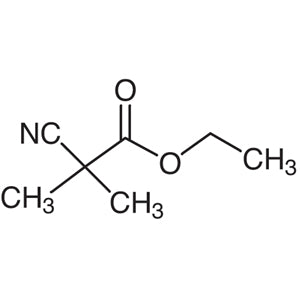
Ethyl2-Cyano-2-methylpropionate TCI C1546
Regular price From Rp 1.881.600,00Regular price -
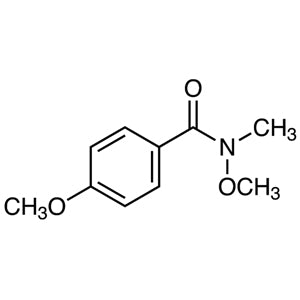
N,4-Dimethoxy-N-methylbenzamide TCI D5475
Regular price From Rp 1.565.550,00Regular price