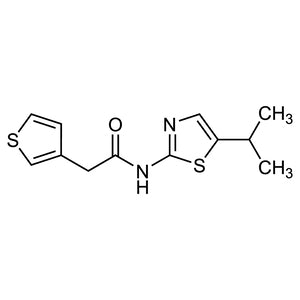
TCI M3882 N-(5-Isopropylthiazol-2-yl)-2-(thiophen-3-yl)acetamide is a heterocyclic compound that joins two sulfur-rich rings — a thiazole and a thiophene — through an amide bridge. The isopropyl-substituted aminothiazole portion is connected to an acetamide fragment bearing a thiophene ring at the three position. Structures of this kind are frequently encountered as active cores or as advanced intermediates in medicinal chemistry research, so in the laboratory this material serves as a ready-to-use heterocyclic building block that removes several early synthetic steps from a project.
The properties that make this compound a preferred choice are the combination of a 2-aminothiazole framework, long recognised as a versatile pharmacophore, with an isopropyl group that adds lipophilic character and a controlled degree of steric hindrance. The amide linkage between the two heterocycles supplies both a hydrogen bond donor and an acceptor, features that matter a great deal for molecular recognition, while the thiophene ring contributes an aromatic surface that can be modified further through halogenation or cross-coupling reactions. Together these three elements give a molecule rigid enough for conformational studies yet still equipped with several points for derivatisation.
In Indonesian laboratories, a compound of this type is typically used in university and institutional research groups working on medicinal chemistry and heterocyclic synthesis, where starting from a prepared building block shortens the route to a target series. It suits scale-appropriate exploratory work — analogue preparation, structure–activity investigations, and method development — where a well-defined heterocyclic scaffold is more practical to purchase than to prepare in house.
TCI brochures (PDF)
- Thiophenes 2026-06-29 · p. 9
Related TCI products
- TCI P1837 17626-75-4 2-Propylthiazole
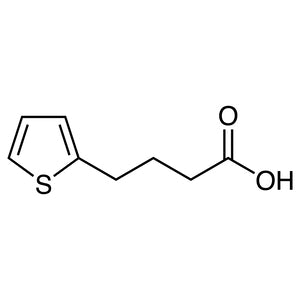
- TCI T4178 4653-11-6 4-(Thiophen-2-yl)butanoic Acid
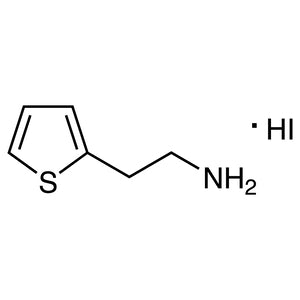
- TCI A3720 2414055-94-8 2-(Thiophen-2-yl)ethan-1-amine Hydroiodide
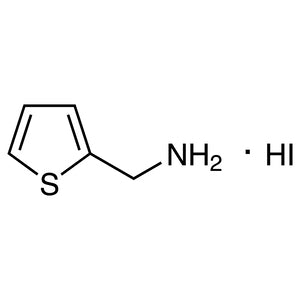
- TCI A3505 2247100-32-7 Thiophen-2-ylmethanamine Hydroiodide
- TCI I1003 5706-08-1 4H-Indeno[1,2-b]thiophen-4-one
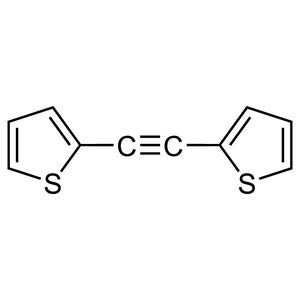
- TCI E1637 23975-15-7 1,2-Di(thiophen-2-yl)ethyne
- Medicinal chemistry scaffold preparation — the 2-aminothiazole core is a recognised pharmacophore, so this compound gives research groups a validated starting framework instead of building the heterocycle from scratch.
- Analogue library synthesis — the thiophene ring offers an aromatic surface open to halogenation and cross-coupling, allowing a single building block to branch into many structurally related derivatives.
- Structure–activity relationship studies — the isopropyl substituent contributes defined lipophilicity and steric bulk, making it useful for probing how those parameters influence the behaviour of a compound series.
- Hydrogen bonding and molecular recognition work — the amide bridge between the two heterocycles supplies both donor and acceptor sites, which is central to studies of binding interactions and recognition motifs.
- Conformational and structural investigations — the molecule is rigid enough through its bridged bicyclic arrangement to support conformational analysis while retaining several accessible derivatisation points for follow-up chemistry.
| Brand | TCI (Tokyo Chemical Industry) |
|---|---|
| CAS number | 267654-65-9 |
| Molecular formula | — |
| Purity | — |
| Category | Chemistry > Building Blocks > Heterocyclic Building Blocks |
| Pack sizes | available in research-scale pack sizes as supplied by the manufacturer |
| Physical form | — |
| Storage | store in a cool, dry place in the tightly closed original container |
- Catalogue Code: M3882
Store the container tightly closed in a cool, dry, well-ventilated area away from direct sunlight, moisture, and sources of ignition, and keep it separated from strong oxidising agents. The original manufacturer packaging is the most suitable container; where transfer is necessary, use clean, dry, chemically compatible glass vessels with secure closures and clear labelling. Handle the material in a fume hood using standard personal protective equipment, including safety glasses, a laboratory coat, and suitable chemical-resistant gloves. Avoid generating dust, avoid inhalation and skin contact, and allow the container to reach room temperature before opening to reduce moisture condensation. Always consult the manufacturer's safety data sheet before use and dispose of residues in accordance with applicable laboratory waste procedures.
—
Produk Terkait
-
2-Propylthiazole TCI P1837
Regular price Rp 1.829.100,00Regular price -
4-(Thiophen-2-yl)butanoicAcid TCI T4178
Regular price From Rp 955.500,00Regular price -
2-(Thiophen-2-yl)ethan-1-amineHydroiodide TCI A3720
Regular price From Rp 1.378.650,00Regular price -
Thiophen-2-ylmethanamineHydroiodide TCI A3505
Regular price From Rp 1.167.600,00Regular price -
4H-Indeno[1,2-b]thiophen-4-one TCI I1003
Regular price From Rp 1.140.300,00Regular price -
1,2-Di(thiophen-2-yl)ethyne TCI E1637
Regular price Rp 6.228.600,00Regular price -
Ethyl5-(Thiophen-2-yl)isoxazole-3-carboxylate TCI E1286
Regular price Rp 2.757.300,00Regular price -
Di(thiophen-2-yl)methanone TCI D6377
Regular price From Rp 2.306.850,00Regular price

![5706-08-1 4H-Indeno[1,2-b]thiophen-4-one - AMI Scientific](http://amiscientific.com/cdn/shop/files/TCI2510I1003.jpg?v=1767120647&width=533)