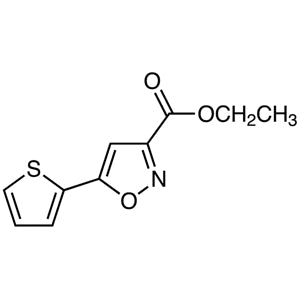
Ethyl 5-(Thiophen-2-yl)isoxazole-3-carboxylate is a chemical compound widely used in organic synthesis reactions. It belongs to the category of heterocyclic building blocks, which are essential components in the synthesis of complex molecules. This compound is commonly utilized in laboratories as a starting material for creating heterocyclic structures with diverse applications in pharmaceuticals, materials science, and organic chemistry. Its unique molecular structure combines isoxazole and thiophen, making it a versatile reagent for substitution and cyclization reactions.
The compound is valued for its stable chemical properties and controlled reactivity, which make it an ideal choice for synthetic processes. Its molecular structure allows for efficient participation in various reaction mechanisms, enhancing the yield and selectivity of target compounds. The compound’s ability to undergo functional group transformations makes it particularly useful in the development of bioactive molecules. Researchers and students in Indonesian laboratories rely on this compound for experiments requiring specific heterocyclic structures.
In Indonesian laboratories, Ethyl 5-(Thiophen-2-yl)isoxazole-3-carboxylate is frequently used in organic chemistry research and the development of new compounds. Its availability in the local market makes it a practical and efficient option for scientific research. It supports a wide range of experimental needs, from basic synthesis to advanced drug discovery projects. Its role in academic and industrial research underscores its importance in the chemical sciences.
Related TCI products
- TCI T4396 928664-98-6 4-(4,4,5,5-Tetramethyl-1,3,2-dioxaborolan-2-yl)isoxazole
- TCI T3454 640292-02-0 5-(p-Tolyl)isoxazole-3-carboxaldehyde
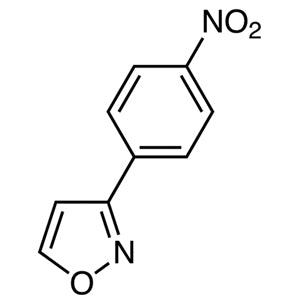
- TCI N1059 4264-05-5 3-(4-Nitrophenyl)isoxazole
- TCI I1227 21169-71-1 Isoxazole-5-carboxylic Acid
- TCI I0372 288-14-2 Isoxazole
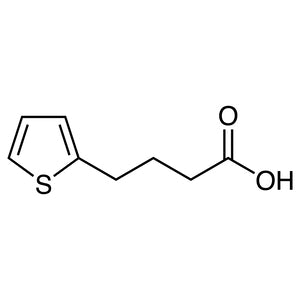
- TCI T4178 4653-11-6 4-(Thiophen-2-yl)butanoic Acid
- Organic synthesis of heterocyclic compounds due to its versatile functional groups and reactivity.
- Development of pharmaceuticals as a building block for bioactive molecule synthesis.
- Material science research for creating novel polymers and functional materials.
- Academic teaching and student experiments requiring heterocyclic structures.
- Drug discovery projects where heterocyclic scaffolds are essential for biological activity.
| Brand | TCI |
|---|---|
| CAS number | 90924-54-2 |
| Molecular formula | — |
| Purity | — |
| Category | Chemistry > Building Blocks > Heterocyclic Building Blocks |
| Pack sizes | Available in standard laboratory quantities |
| Physical form | Solid or liquid, depending on supplier packaging |
| Storage | Store in a cool, dry place away from light and moisture |
Ethyl 5-(Thiophen-2-yl)isoxazole-3-carboxylate should be stored in a cool, dry environment, away from direct sunlight and moisture. It is recommended to use airtight containers to prevent exposure to air and humidity. The compound should be kept in a well-ventilated area to minimize the risk of inhalation. Always handle the material with appropriate personal protective equipment, including gloves and safety goggles. Avoid contact with skin and eyes, and ensure proper disposal according to local regulations. Regular monitoring of storage conditions is essential to maintain the compound’s stability and effectiveness for laboratory use.
—
Product Categories
Produk Terkait
-
4-(4,4,5,5-Tetramethyl-1,3,2-dioxaborolan-2-yl)isoxazole TCI T4396
Regular price From Rp 2.174.550,00Regular price -
5-(p-Tolyl)isoxazole-3-carboxaldehyde TCI T3454
Regular price Rp 3.763.200,00Regular price -
3-(4-Nitrophenyl)isoxazole TCI N1059
Regular price From Rp 1.590.750,00Regular price -
Isoxazole-5-carboxylicAcid TCI I1227
Regular price From Rp 1.035.300,00Regular price -
Isoxazole TCI I0372
Regular price Rp 1.035.300,00Regular price -
4-(Thiophen-2-yl)butanoicAcid TCI T4178
Regular price From Rp 955.500,00Regular price -
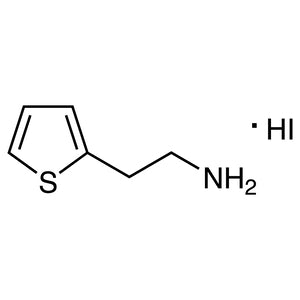
2-(Thiophen-2-yl)ethan-1-amineHydroiodide TCI A3720
Regular price From Rp 1.378.650,00Regular price -
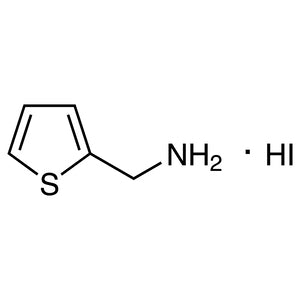
Thiophen-2-ylmethanamineHydroiodide TCI A3505
Regular price From Rp 1.167.600,00Regular price