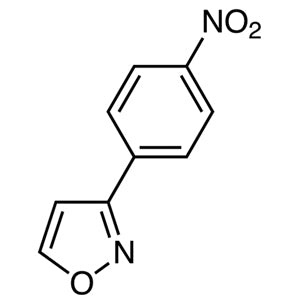
3-(4-Nitrophenyl)isoxazole is a chemical compound widely used in organic reactions as a foundational building block. It plays a crucial role in the synthesis of complex molecules, particularly in organic chemistry and pharmacology research. This compound is valued for its unique chemical properties and high reactivity, making it an essential tool for chemists working in both academic and industrial settings. Its presence in laboratory workflows supports the development of new compounds with potential applications in various scientific fields.
The compound’s heterocyclic structure, containing a single oxygen atom, contributes to its chemical stability and reactivity. It exhibits good polarity and solubility in organic solvents such as ethyl acetate and acetone, which facilitates its use in a wide range of chemical reactions. These characteristics make it easy to dissolve and manipulate during synthesis processes. Additionally, its stable molecular structure ensures it remains effective under various reaction conditions without significant degradation.
In Indonesian laboratories, 3-(4-Nitrophenyl)isoxazole is commonly found in pure chemistry research and industrial applications. Researchers and scientists utilize it to develop new compounds with potential uses in pharmaceuticals, materials science, and environmental chemistry. Its availability from reputable suppliers like TCI ensures that it meets the high standards required for laboratory work in Indonesia.
Related TCI products
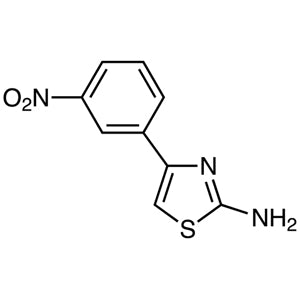
- TCI A3086 57493-24-0 2-Amino-4-(3-nitrophenyl)thiazole
- TCI T4396 928664-98-6 4-(4,4,5,5-Tetramethyl-1,3,2-dioxaborolan-2-yl)isoxazole
- TCI T3454 640292-02-0 5-(p-Tolyl)isoxazole-3-carboxaldehyde
- TCI I1227 21169-71-1 Isoxazole-5-carboxylic Acid
- TCI I0372 288-14-2 Isoxazole
- TCI E1286 90924-54-2 Ethyl 5-(Thiophen-2-yl)isoxazole-3-carboxylate
- Organic synthesis applications benefit from its reactivity and solubility, enabling efficient compound development.
- Pharmaceutical research leverages its structural versatility for designing new drug molecules with targeted properties.
- Material science studies use it to create advanced polymers and functional materials with specific chemical properties.
- Environmental chemistry applications take advantage of its solubility and reactivity for pollutant analysis and remediation.
- Academic research in chemistry relies on its stability and availability for teaching and experimental purposes.
| Brand | TCI |
|---|---|
| CAS number | 4264-05-5 |
| Molecular formula | — |
| Purity | — |
| Category | Chemistry > Building Blocks > Non-Heterocyclic Building Blocks |
| Pack sizes | Available in standard laboratory quantities |
| Physical form | Solid |
| Storage | Store in a cool, dry place away from direct sunlight |
This compound should be stored in a cool, dry place, away from direct sunlight and sources of heat. It is recommended to use airtight containers to prevent moisture absorption and contamination. Due to its chemical reactivity, it should be handled with appropriate personal protective equipment, such as gloves and safety goggles. Proper ventilation is essential when working with this compound to minimize exposure. It is important to keep it away from incompatible materials to ensure safe storage and handling in the laboratory environment.
—
Produk Terkait
-
2-Amino-4-(3-nitrophenyl)thiazole TCI A3086
Regular price From Rp 664.650,00Regular price -
4-(4,4,5,5-Tetramethyl-1,3,2-dioxaborolan-2-yl)isoxazole TCI T4396
Regular price From Rp 2.174.550,00Regular price -
5-(p-Tolyl)isoxazole-3-carboxaldehyde TCI T3454
Regular price Rp 3.763.200,00Regular price -
Isoxazole-5-carboxylicAcid TCI I1227
Regular price From Rp 1.035.300,00Regular price -
Isoxazole TCI I0372
Regular price Rp 1.035.300,00Regular price -
Ethyl5-(Thiophen-2-yl)isoxazole-3-carboxylate TCI E1286
Regular price Rp 2.757.300,00Regular price -
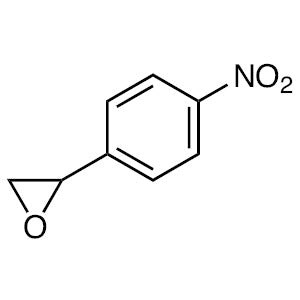
2-(4-Nitrophenyl)oxirane TCI N1216
Regular price Rp 7.792.050,00Regular price -
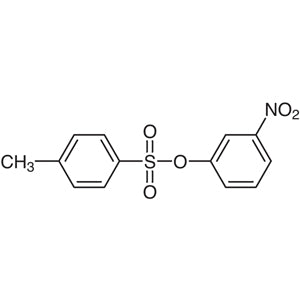
3-Nitrophenylp-Toluenesulfonate TCI T1210
Regular price Rp 4.611.600,00Regular price