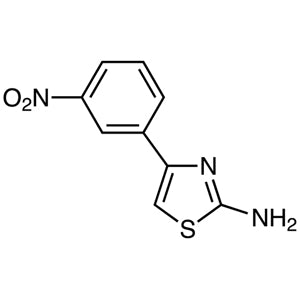
2-Amino-4-(3-nitrophenyl)thiazole is a chemical compound widely used as a building block in the synthesis of complex organic molecules. Its heterocyclic structure, containing sulfur atoms, makes it a versatile component in various chemical reactions. In laboratory settings, this compound plays a crucial role in the development of molecules with specific functional properties, such as biological activity or optical characteristics. Due to its reactivity and structural uniqueness, it is a key reagent in organic chemistry and pharmacological research.
This compound is valued for its chemical stability under controlled conditions and its reactivity towards a variety of reaction environments, including elevated temperatures and organic solvents. It exhibits good solubility in solvents like ethyl acetate and acetone, which enhances its utility in synthetic processes. Its ability to participate in substitution and condensation reactions further solidifies its importance in scientific research. These properties make it a preferred choice for chemists working on advanced molecular synthesis.
In Indonesian laboratories, 2-Amino-4-(3-nitrophenyl)thiazole is commonly used in academic and research institutions. It is frequently found in projects related to organic synthesis, drug development, and material science. Its availability and chemical properties make it a sought-after reagent for scientists aiming to explore new chemical pathways and functional compounds.
TCI brochures (PDF)
- Aminothiazole Building Blocks for the Synthesis of Bioactive Compounds 2025-06-26 · p. 1
Related TCI products
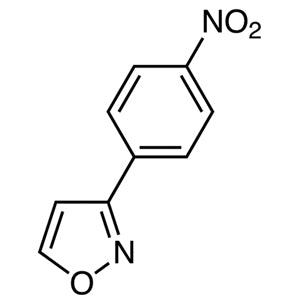
- TCI N1059 4264-05-5 3-(4-Nitrophenyl)isoxazole
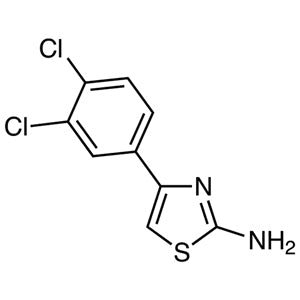
- TCI A2906 39893-80-6 2-Amino-4-(3,4-dichlorophenyl)thiazole
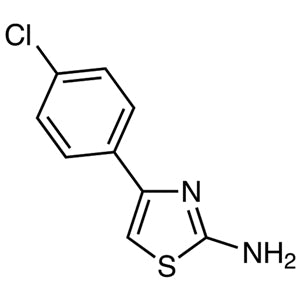
- TCI A2841 2103-99-3 2-Amino-4-(4-chlorophenyl)thiazole
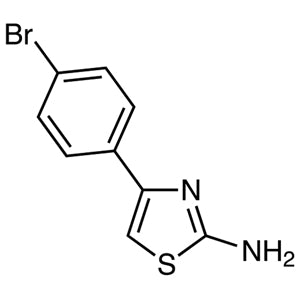
- TCI A2829 2103-94-8 2-Amino-4-(4-bromophenyl)thiazole
- TCI A2666 2103-91-5 2-Amino-4-(p-tolyl)thiazole
- TCI B6144 83673-98-7 2-[(tert-Butoxycarbonyl)amino]thiazole-4-carboxylic Acid
- Organic synthesis projects benefit from this compound due to its reactivity and structural versatility in creating complex molecules.
- Pharmaceutical research utilizes it for developing compounds with specific biological activities and pharmacological properties.
- Material science experiments employ it to synthesize compounds with unique optical or electronic characteristics.
- Analytical chemistry applications use it as a standard reference in qualitative and quantitative analysis.
- Environmental studies incorporate it to investigate the behavior of heterocyclic compounds in different chemical environments.
| Brand | TCI |
|---|---|
| CAS number | 57493-24-0 |
| Molecular formula | — |
| Purity | — |
| Category | Chemistry > Building Blocks > Non-Heterocyclic Building Blocks |
| Pack sizes | Available in various quantities as per supplier specifications |
| Physical form | Solid |
| Storage | Store in a cool, dry place away from direct sunlight |
This compound should be stored in a cool, dry environment to maintain its chemical stability. It is recommended to keep it in a sealed container to prevent exposure to moisture and air. Due to its reactivity, it should be handled with care, using appropriate personal protective equipment such as gloves and safety goggles. It is important to ensure that it is stored away from incompatible substances like strong oxidizers. Regular monitoring of storage conditions is advised to maintain its integrity and ensure safe handling in laboratory settings.
—
Produk Terkait
-
3-(4-Nitrophenyl)isoxazole TCI N1059
Regular price From Rp 1.590.750,00Regular price -
2-Amino-4-(3,4-dichlorophenyl)thiazole TCI A2906
Regular price Rp 4.347.000,00Regular price -
2-Amino-4-(4-chlorophenyl)thiazole TCI A2841
Regular price From Rp 557.550,00Regular price -
2-Amino-4-(4-bromophenyl)thiazole TCI A2829
Regular price Rp 1.087.800,00Regular price -
2-Amino-4-(p-tolyl)thiazole TCI A2666
Regular price From Rp 2.094.750,00Regular price -
2-[(tert-Butoxycarbonyl)amino]thiazole-4-carboxylicAcid TCI B6144
Regular price From Rp 1.458.450,00Regular price -
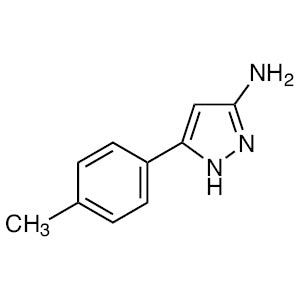
5-Amino-1-(p-tolyl)pyrazole-4-carbonitrile TCI A3039
Regular price Rp 3.312.750,00Regular price -
5-Amino-3-(4-methylphenyl)pyrazole TCI A2954
Regular price From Rp 2.625.000,00Regular price

![2-[(tert-Butoxycarbonyl)amino]thiazole-4-carboxylic Acid (CAS 83673-98-7) - TCI B6144 - AMI Scientific](http://amiscientific.com/cdn/shop/files/TCI2510B6144_30b774b8-53f0-43f4-a45f-a11d6bda12b0.jpg?v=1767864684&width=533)