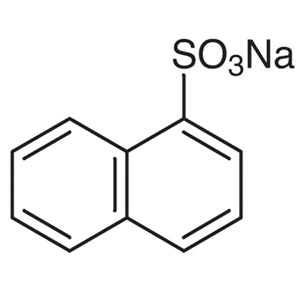
Sodium 1-Naphthalenesulfonate (TCI N0015), with CAS number 130-14-3, is a chemical compound widely utilized in laboratory settings for its versatility in organic reactions and synthetic processes. This compound serves as a fundamental building block in the field of chemistry, particularly in the synthesis of complex organic molecules. Its structure consists of a naphthalene ring with a sulfonate group attached to the first carbon atom, making it a valuable reagent in various chemical transformations. It is commonly found in both academic and industrial research environments due to its stability and controlled reactivity.
The chemical properties of Sodium 1-Naphthalenesulfonate make it a preferred choice for researchers and chemists. It exhibits good solubility in organic solvents such as ethanol and ethylamine, which facilitates its use in diverse synthetic protocols. Additionally, its chemical stability under normal conditions ensures reliable performance in experimental setups. The compound’s controlled reactivity allows it to participate in substitution and polymerization reactions without excessive side reactions, making it a reliable and consistent reagent for laboratory applications.
In Indonesian laboratories, Sodium 1-Naphthalenesulfonate is frequently used in organic chemistry research, particularly in academic institutions and research centers. Its availability and reliable performance make it a staple in chemical synthesis processes. It is commonly used in the development of new compounds and materials, supporting both educational and industrial research efforts. Its non-toxic nature also contributes to its widespread use, ensuring safe handling under proper conditions.
Related TCI products
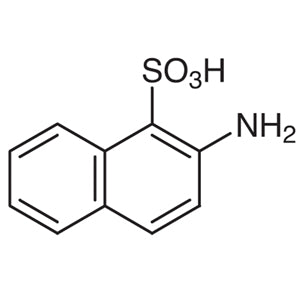
- TCI A0343 81-16-3 2-Amino-1-naphthalenesulfonic Acid
- TCI A0346 119-79-9 5-Amino-2-naphthalenesulfonic Acid
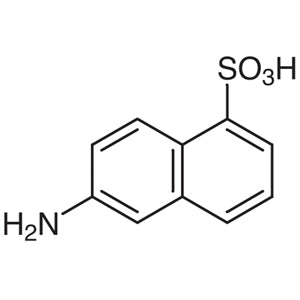
- TCI A0347 81-05-0 6-Amino-1-naphthalenesulfonic Acid
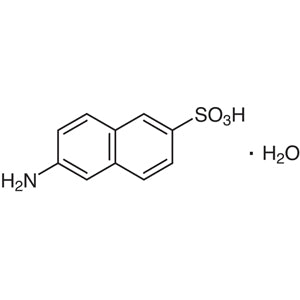
- TCI A0348 93-00-5 6-Amino-2-naphthalenesulfonic Acid Monohydrate
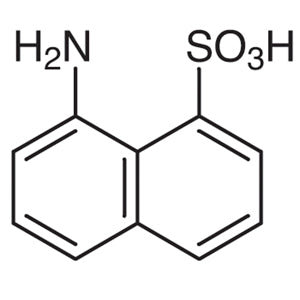
- TCI A0350 82-75-7 8-Amino-1-naphthalenesulfonic Acid
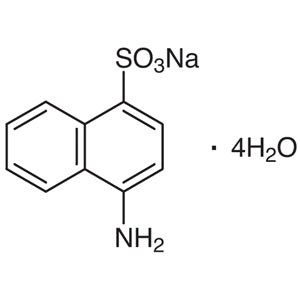
- TCI A0353 130-13-2 Sodium 4-Amino-1-naphthalenesulfonate Tetrahydrate
- Organic synthesis reactions benefit from Sodium 1-Naphthalenesulfonate due to its stable structure and controlled reactivity, enabling the formation of complex organic molecules with high efficiency.
- Polymerization processes often utilize this compound as a building block, contributing to the development of new polymers with tailored properties.
- Substitution reactions in laboratory settings rely on Sodium 1-Naphthalenesulfonate for its ability to participate in chemical transformations without excessive side reactions.
- Research in material science frequently incorporates this compound to create novel materials with specific chemical and physical characteristics.
- Educational institutions use Sodium 1-Naphthalenesulfonate in teaching laboratories to demonstrate fundamental chemical reactions and synthetic techniques.
| Brand | TCI |
|---|---|
| CAS number | 130-14-3 |
| Molecular formula | — |
| Purity | — |
| Category | Chemistry > Building Blocks > Non-Heterocyclic Building Blocks |
| Pack sizes | Available in standard laboratory quantities |
| Physical form | Solid powder |
| Storage | Store in a cool, dry place away from strong acids and oxidizing agents |
Sodium 1-Naphthalenesulfonate should be stored in a cool, dry environment to maintain its chemical stability. It is recommended to keep the compound in airtight containers to prevent moisture absorption and contamination. Due to its potential reactivity with strong acids and oxidizing agents, it should be stored separately from such substances. Proper labeling of containers is essential for safe handling and to prevent accidental exposure. In laboratory settings, it is important to use appropriate personal protective equipment, such as gloves and safety goggles, when handling this compound. Regular monitoring of storage conditions ensures the compound remains in optimal condition for use in chemical experiments.
—
Produk Terkait
-
2-Amino-1-naphthalenesulfonicAcid TCI A0343
Regular price From Rp 477.750,00Regular price -
5-Amino-2-naphthalenesulfonicAcid TCI A0346
Regular price From Rp 717.150,00Regular price -
6-Amino-1-naphthalenesulfonicAcid TCI A0347
Regular price From Rp 955.500,00Regular price -
6-Amino-2-naphthalenesulfonicAcidMonohydrate TCI A0348
Regular price From Rp 1.405.950,00Regular price -
8-Amino-1-naphthalenesulfonicAcid TCI A0350
Regular price From Rp 1.008.000,00Regular price -
Sodium4-Amino-1-naphthalenesulfonateTetrahydrate TCI A0353
Regular price From Rp 769.650,00Regular price -
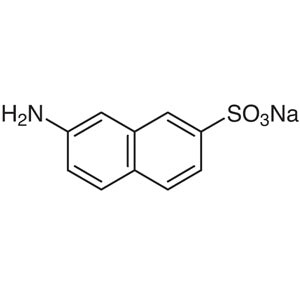
Sodium7-Amino-2-naphthalenesulfonate TCI A0355
Regular price From Rp 1.193.850,00Regular price -
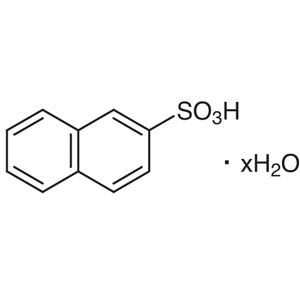
2-NaphthalenesulfonicAcidHydrate TCI B0258
Regular price From Rp 795.900,00Regular price