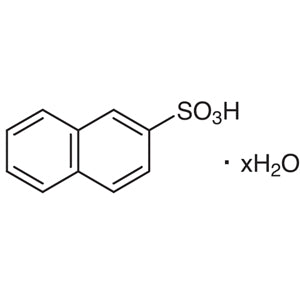
2-Naphthalenesulfonic Acid Hydrate is a chemical compound widely used in laboratory settings for the synthesis of complex molecules. As a key building block in organic chemistry, it serves as a versatile reagent in various chemical reactions. Its structural features make it an essential component in the development of heterocyclic compounds and other organic substances. In the laboratory, it functions as a connecting element or a foundational material that facilitates chemical transformations.
The compound is characterized by its reactive sulfonate group, which makes it highly suitable for substitution and oxidation reactions. Its solubility in organic solvents such as ethylamine and ethyl acetate enhances its usability in diverse chemical applications. This solubility profile simplifies processing and handling, making it a preferred choice for chemists working on synthetic pathways.
In Indonesian laboratories, 2-Naphthalenesulfonic Acid Hydrate is extensively used in chemical research, particularly in the synthesis of organic compounds and the development of new chemical materials. It is a common reagent in academic and industrial research settings, supporting experiments aimed at creating compounds with applications in various industries and environmental studies.
Related TCI products
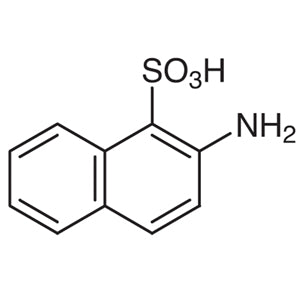
- TCI A0343 81-16-3 2-Amino-1-naphthalenesulfonic Acid
- TCI A0346 119-79-9 5-Amino-2-naphthalenesulfonic Acid
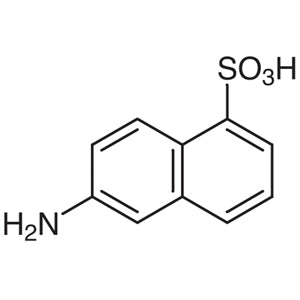
- TCI A0347 81-05-0 6-Amino-1-naphthalenesulfonic Acid
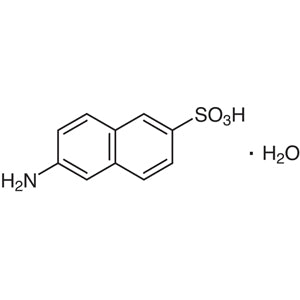
- TCI A0348 93-00-5 6-Amino-2-naphthalenesulfonic Acid Monohydrate
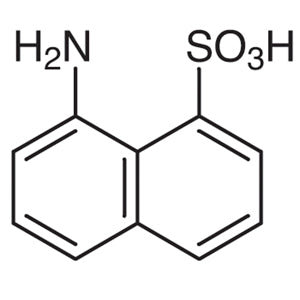
- TCI A0350 82-75-7 8-Amino-1-naphthalenesulfonic Acid
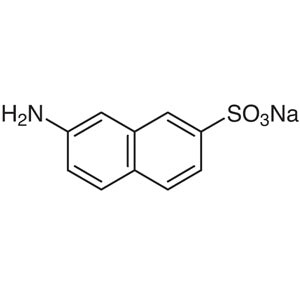
- TCI A0355 5412-82-8 Sodium 7-Amino-2-naphthalenesulfonate
- Organic synthesis: This compound is ideal for creating complex organic molecules due to its reactive sulfonate group and solubility in organic solvents.
- Heterocyclic compound development: Its structure allows for the formation of heterocyclic rings, making it useful in pharmaceutical and material science research.
- Environmental chemistry studies: It is used in experiments related to pollutant analysis and degradation processes due to its chemical reactivity.
- Industrial chemical production: Its versatility supports the development of new chemical products for various industrial applications.
- Teaching and research in academic institutions: It is a fundamental reagent in undergraduate and graduate-level chemistry courses and research projects.
| Brand | TCI |
|---|---|
| CAS number | 76530-12-6 |
| Molecular formula | — |
| Purity | — |
| Category | Chemistry > Building Blocks > Non-Heterocyclic Building Blocks |
| Pack sizes | Available in standard laboratory quantities |
| Physical form | Hydrate form, typically a solid |
| Storage | Store in a cool, dry place away from moisture and direct sunlight |
This compound should be stored in a cool, dry environment to maintain its chemical stability. It is recommended to keep it in a sealed container to prevent exposure to moisture, which could affect its properties. As a hygroscopic material, it should be stored away from sources of humidity. Appropriate laboratory safety measures should be followed when handling, including the use of personal protective equipment. The compound is not classified as hazardous under standard handling conditions, but care should be taken to avoid direct contact with skin or inhalation of vapors. Proper ventilation is advised when working with this material to ensure a safe laboratory environment.
—
Produk Terkait
-
2-Amino-1-naphthalenesulfonicAcid TCI A0343
Regular price Rp 477.750,00Regular priceRp 333.900,00Sale price Rp 477.750,00 -
5-Amino-2-naphthalenesulfonicAcid TCI A0346
Regular price Rp 717.150,00Regular priceRp 500.850,00Sale price Rp 717.150,00 -
6-Amino-1-naphthalenesulfonicAcid TCI A0347
Regular price Rp 955.500,00Regular priceRp 667.800,00Sale price Rp 955.500,00 -
6-Amino-2-naphthalenesulfonicAcidMonohydrate TCI A0348
Regular price Rp 1.405.950,00Regular priceRp 982.800,00Sale price Rp 1.405.950,00 -
8-Amino-1-naphthalenesulfonicAcid TCI A0350
Regular price Rp 1.008.000,00Regular priceRp 704.550,00Sale price Rp 1.008.000,00 -
Sodium7-Amino-2-naphthalenesulfonate TCI A0355
Regular price Rp 1.193.850,00Regular priceRp 834.750,00Sale price Rp 1.193.850,00 -
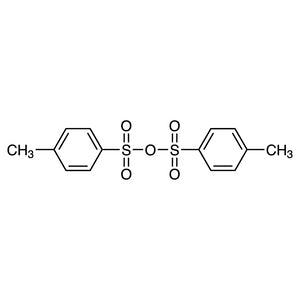
p-ToluenesulfonicAnhydride TCI T1485
Regular price Rp 1.749.300,00Regular priceRp 1.223.250,00Sale price Rp 1.749.300,00 -
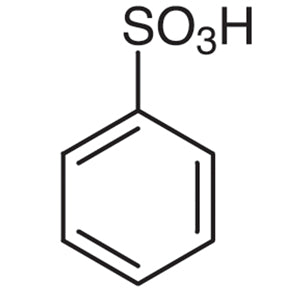
BenzenesulfonicAcidAnhydrous TCI B3408
Regular price Rp 1.565.550,00Regular priceRp 1.094.100,00Sale price Rp 1.565.550,00