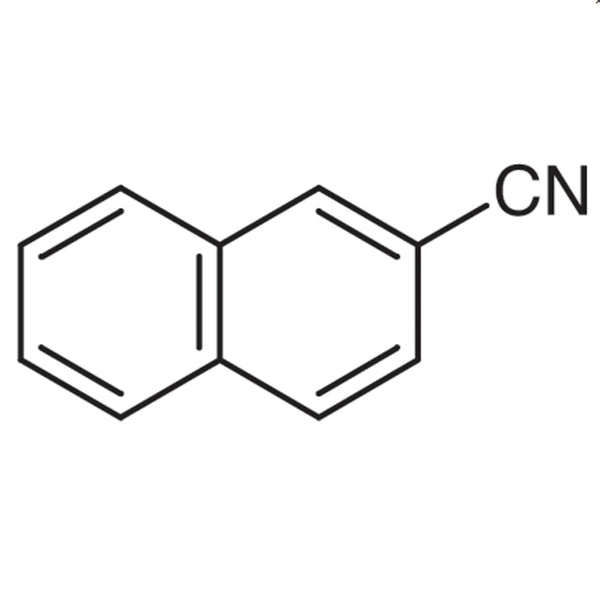
TCI N0039 2-Naphthonitrile, CAS 613-46-7, is the beta isomer of cyanonaphthalene: an aromatic compound in which a nitrile group is bonded at the two position of the naphthalene skeleton. It serves as a highly useful building block in organic synthesis laboratories, because the nitrile group can be directed toward a wide range of derivative functional groups, while the naphthalene framework contributes rich aromatic character to the target molecule. Many researchers employ it as a starting point for preparing experimental drug compounds, coordination ligands, and materials with particular optical and electronic properties.
Several properties explain why this compound is preferred. It is supplied as a crystalline solid, a form that is generally easier to weigh and store than the alpha isomer. The nitrile group shows high reactivity toward nucleophiles and reducing reagents, giving the chemist a dependable handle for onward transformation. Steric hindrance at the beta position is smaller than at the alpha position, so subsequent reactions frequently proceed more smoothly. Its good solubility in common organic solvents makes it straightforward to run reactions under homogeneous conditions, and consistent quality matters because aromatic impurities are usually difficult to separate and can obscure the interpretation of spectral data.
In Indonesian laboratories, 2-naphthonitrile is typically used in university and institutional synthetic chemistry groups, in medicinal chemistry research, and in materials development work. It is normally handled at bench scale for multi-step syntheses, where a reliable aromatic building block shortens the route to a target molecule. Well-maintained purity is important in these settings, since the spectroscopic characterisation that follows each step depends on a clean starting material.
- Organic synthesis building block: the nitrile group at the beta position can be converted into a range of derivative functional groups, giving synthetic chemists a flexible entry point into naphthalene-based targets.
- Experimental drug compound preparation: researchers use it as a starting material for candidate molecules, since the naphthalene skeleton contributes the rich aromatic character that many pharmacophores require.
- Coordination ligand synthesis: the nitrile function provides a reactive site for building ligand frameworks, while the fused aromatic system supplies the extended structure that coordination chemistry work often calls for.
- Optical and electronic materials research: the aromatic naphthalene core makes this compound a useful precursor when preparing materials intended to show particular optical and electronic properties.
- Nucleophilic and reduction chemistry studies: the high reactivity of the nitrile group toward nucleophiles and reducing reagents makes it a practical substrate for developing and demonstrating these transformations.
| Brand | TCI |
|---|---|
| CAS number | 613-46-7 |
| Molecular formula | — |
| Purity | — |
| Category | Chemistry > Building Blocks > Non-Heterocyclic Building Blocks |
| Pack sizes | available in the standard TCI catalogue pack sizes for this item |
| Physical form | crystalline solid |
| Storage | keep in a closed container in a cool, dry place away from light |
Store 2-naphthonitrile in a tightly closed original container in a cool, dry, well-ventilated place, protected from direct sunlight and away from sources of heat and ignition. Amber glass or the supplier's own bottle is suitable, and the container should be reclosed promptly after each weighing to limit moisture uptake and contamination. Handle the solid in a fume hood, wear safety glasses, gloves, and a laboratory coat, and avoid generating dust when transferring the material. Keep it separated from strong oxidising agents and strong bases. Clean spatulas and weighing vessels help preserve the purity on which later spectral interpretation depends, and all handling should follow the current safety data sheet and local laboratory rules.
—
Produk Terkait
-
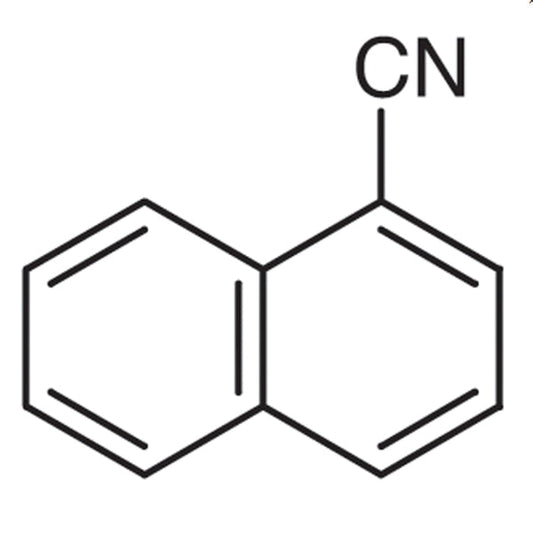
1-Naphthonitrile TCI N0038
Regular price Rp 2.279.550,00Regular price -
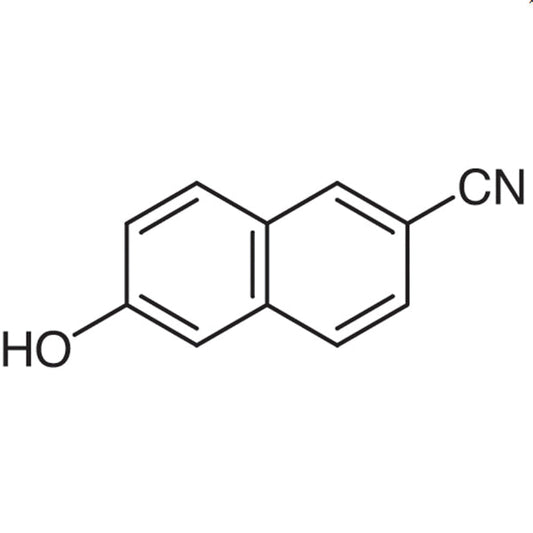
6-Hydroxy-2-naphthonitrile TCI H0995
Regular price Rp 2.466.450,00Regular price