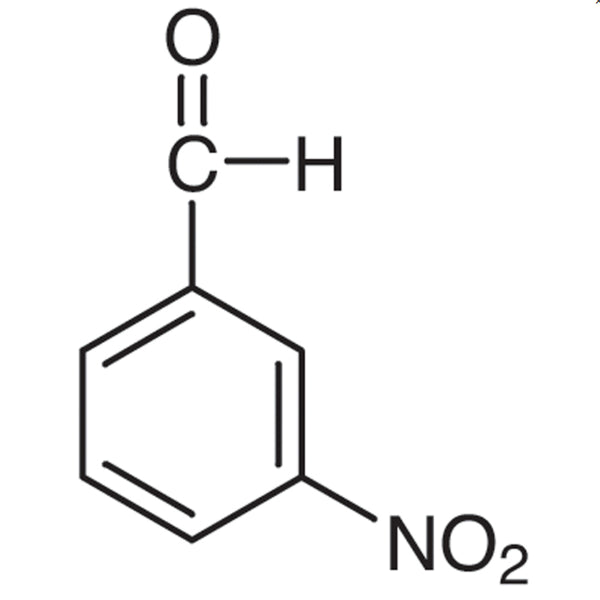
3-Nitrobenzaldehyde is a versatile chemical compound widely used in various organic reactions within laboratory settings. As a fundamental building block in chemical synthesis, it offers a simple yet adaptable molecular structure that supports multiple reaction pathways. Its presence in both aromatic and heterocyclic compound syntheses makes it a valuable resource for researchers aiming to develop complex molecules. This compound plays a crucial role in advancing chemical research by enabling the creation of new compounds with diverse applications.
The chemical properties of 3-Nitrobenzaldehyde make it a preferred choice for laboratory use. It exhibits stability and moderate reactivity, particularly due to the presence of the nitro and aldehyde functional groups. These groups contribute to its ability to participate in a range of reactions, including reduction, substitution, and nucleophilic attacks. The combination of these reactive sites allows for controlled chemical transformations, making it ideal for researchers who require precise and predictable chemical behavior.
In Indonesian laboratories, 3-Nitrobenzaldehyde is commonly used in organic chemistry research, especially in the development of new compounds with pharmaceutical or industrial applications. It is also a key component in educational experiments at universities and research institutions, where it serves as a fundamental tool for teaching and practical training in synthetic chemistry. Its widespread use underscores its importance in both academic and applied research environments.
- Synthesis of aromatic and heterocyclic compounds due to its reactive functional groups and structural versatility
- Organic reaction studies to explore substitution and nucleophilic mechanisms with controlled reactivity
- Pharmaceutical research for the development of new drug molecules through chemical modification
- Educational experiments in university settings to teach fundamental organic synthesis techniques
- Industrial chemical development for the creation of complex compounds with specific functional properties
| Brand | TCI |
|---|---|
| CAS number | 99-61-6 |
| Molecular formula | — |
| Purity | — |
| Category | Chemistry > Building Blocks > Non-Heterocyclic Building Blocks |
| Pack sizes | Available in various quantities as per standard laboratory supply |
| Physical form | Solid or liquid, depending on the specific product variant |
| Storage | Store in a cool, dry place away from direct sunlight and incompatible materials |
3-Nitrobenzaldehyde should be stored in a cool, dry environment to maintain its chemical integrity. It is recommended to keep the compound in a tightly sealed container to prevent exposure to moisture and air. Due to its potential reactivity, it should be stored away from incompatible substances such as strong oxidizers or reducing agents. Proper ventilation is essential when handling the compound to minimize inhalation risks. Laboratory personnel should wear appropriate personal protective equipment, including gloves and safety goggles, to ensure safe handling. Regular monitoring of storage conditions is advised to maintain the compound's stability and effectiveness for research purposes.
—
Produk Terkait
-
4-Bromo-3-nitrobenzaldehyde TCI B5101
Regular price From Rp 717.150,00Regular price -
3-Bromo-5-nitrobenzaldehyde TCI B4982
Regular price From Rp 637.350,00Regular price -
5-Bromo-2-nitrobenzaldehyde TCI B4192
Regular price From Rp 1.035.300,00Regular price -
4-Bromo-2-nitrobenzaldehyde TCI B4146
Regular price From Rp 1.326.150,00Regular price -
4-Nitrobenzaldehyde TCI N0559
Regular price From Rp 1.167.600,00Regular price -
4'-Nitrobenzanilide TCI N0396
Regular price Rp 2.466.450,00Regular price -
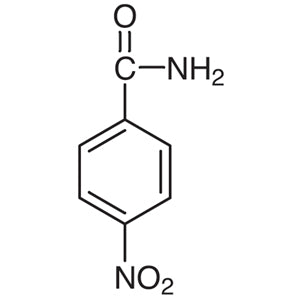
4-Nitrobenzamide TCI N0323
Regular price From Rp 1.220.100,00Regular price -
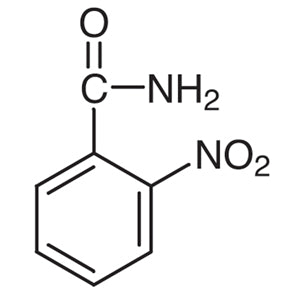
2-Nitrobenzamide TCI N0322
Regular price Rp 3.260.250,00Regular price