4-Bromo-2-nitrobenzaldehyde is a chemical compound widely used as a building block in organic synthesis. It plays a crucial role in laboratories where complex molecule synthesis is required, particularly in the development of pharmaceuticals and industrial chemicals. This compound is valued for its versatility and reactivity, making it an essential tool for researchers working in synthetic chemistry. Its aromatic structure, combined with functional groups such as bromo and nitro, allows for a wide range of chemical transformations.
The compound’s unique reactivity stems from its combination of an aldehyde group and electrophilic substituents. The nitro group contributes to its oxidizing properties, while the bromo group enhances its ability to participate in substitution reactions. These characteristics make it ideal for use in electrophilic substitution and reduction reactions. Its stability under controlled conditions further supports its application in various synthetic pathways, ensuring reliable results in laboratory settings.
In Indonesian laboratories, 4-Bromo-2-nitrobenzaldehyde is commonly used in organic chemistry research, especially in academic institutions and research centers. It is a key reagent in the synthesis of heterocyclic compounds, pharmaceuticals, and industrial chemicals. Its availability in the local market facilitates access for researchers, supporting ongoing scientific investigations and innovation in the field.
- Synthesis of Heterocyclic Compounds: This compound is ideal for creating complex ring structures due to its reactive functional groups.
- Pharmaceutical Research: Its ability to undergo various chemical transformations makes it useful in drug development processes.
- Industrial Chemical Production: The compound’s versatility supports the creation of a wide range of chemical products.
- Organic Chemistry Education: It is frequently used in teaching laboratories to demonstrate synthetic techniques and reaction mechanisms.
- Oxidation Reactions: The nitro group provides oxidizing properties, making it suitable for reactions requiring oxidative conditions.
| Brand | TCI |
|---|---|
| CAS number | 5551-12-2 |
| Molecular formula | — |
| Purity | — |
| Category | Chemistry > Building Blocks > Non-Heterocyclic Building Blocks |
| Pack sizes | Available in standard laboratory quantities |
| Physical form | Solid or liquid, depending on supplier packaging |
| Storage | Store in a cool, dry place away from light and incompatible substances |
4-Bromo-2-nitrobenzaldehyde should be stored in a cool, dry place, away from direct sunlight and sources of heat. It is recommended to keep it in a tightly sealed container to prevent moisture absorption and contamination. The compound should be stored separately from strong bases and reducing agents to avoid unwanted reactions. Proper ventilation is essential when handling this material to minimize exposure. Laboratory personnel should wear appropriate personal protective equipment, including gloves and safety goggles, when working with this compound. Regular monitoring of storage conditions ensures the compound remains stable and safe for use in research settings.
—
Produk Terkait
-
4-Bromo-3-nitrobenzaldehyde TCI B5101
Regular price From Rp 717.150,00Regular priceRp 500.850,00Sale price From Rp 717.150,00 -
3-Bromo-5-nitrobenzaldehyde TCI B4982
Regular price From Rp 637.350,00Regular priceRp 445.200,00Sale price From Rp 637.350,00 -
5-Bromo-2-nitrobenzaldehyde TCI B4192
Regular price From Rp 1.035.300,00Regular priceRp 723.450,00Sale price From Rp 1.035.300,00 -
4-Nitrobenzaldehyde TCI N0559
Regular price From Rp 1.167.600,00Regular priceRp 815.850,00Sale price From Rp 1.167.600,00 -
4'-Nitrobenzanilide TCI N0396
Regular price Rp 2.518.950,00Regular priceRp 1.776.600,00Sale price Rp 2.518.950,00 -
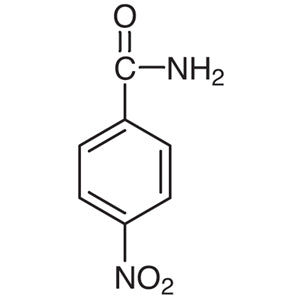
4-Nitrobenzamide TCI N0323
Regular price From Rp 1.272.600,00Regular priceRp 905.100,00Sale price From Rp 1.272.600,00 -
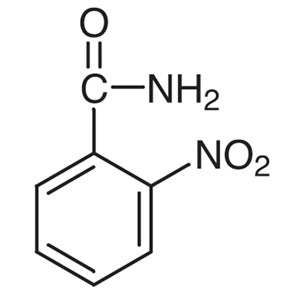
2-Nitrobenzamide TCI N0322
Regular price Rp 3.312.750,00Regular priceRp 2.332.050,00Sale price Rp 3.312.750,00 -
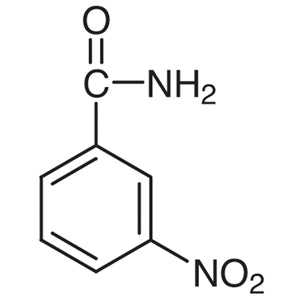
3-Nitrobenzamide TCI N0321
Regular price From Rp 1.087.800,00Regular priceRp 775.950,00Sale price From Rp 1.087.800,00