2-Propionylthiophene from TCI, also known as 1-(2-thienyl)-1-propanone, is a heteroaromatic ketone. It consists of a thiophene ring with a propionyl group at the 2-position. It belongs to the heterocyclic building blocks and is widely used in organic synthesis, especially to build molecules that contain a thiophene ring. In drug design, thiophene often replaces a benzene ring as a bioisostere. This makes 2-Propionylthiophene a useful starting material in medicinal chemistry and materials chemistry laboratories.
The appeal of 2-Propionylthiophene comes from combining an electron-rich thiophene ring with a reactive ketone group. The carbonyl group can be reduced to an alcohol, including by asymmetric reduction to give chiral alcohols. It can also take part in condensation reactions, reductive amination, and alpha-halogenation. The thiophene ring can be functionalised further through electrophilic substitution or coupling reactions. Together, these options open many synthetic routes to more complex thiophene derivatives, from pharmaceutical intermediates to molecules for organic materials.
In Indonesia, this material suits synthetic organic chemistry laboratories at universities, research institutes, and industrial R&D groups. Researchers working on new heterocyclic compounds, structure-activity studies, or thiophene-based functional materials can use it as a dependable starting point for multi-step synthesis. It is also useful in postgraduate research and teaching projects that cover ketone chemistry and heteroaromatic reactivity. AMI Scientific supplies the TCI product to support these research and development needs.
TCI brochures (PDF)
- Thiophenes 2026-06-29 · p. 8
Related TCI products
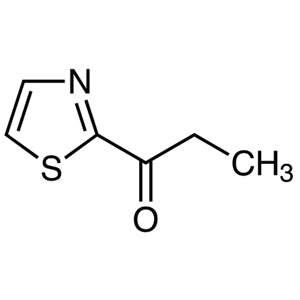
- TCI P2247 43039-98-1 2-Propionylthiazole
- TCI N0533 65016-63-9 3-Nonylthiophene
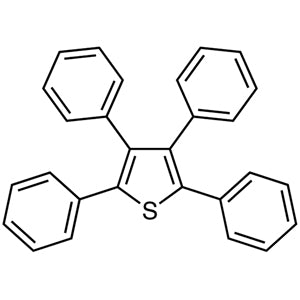
- TCI T2200 1884-68-0 2,3,4,5-Tetraphenylthiophene
- TCI B1089 41840-28-2 2-(tert-Butoxycarbonylthio)-4,6-dimethylpyrimidine [Boc Agent for Peptides Synthesis]
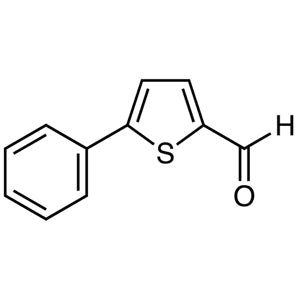
- TCI P2501 19163-21-4 5-Phenylthiophene-2-carboxaldehyde
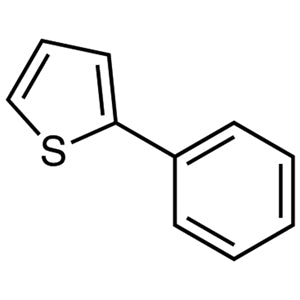
- TCI P1397 825-55-8 2-Phenylthiophene
- Medicinal chemistry synthesis: the thiophene ring is a common bioisostere for benzene, so this ketone is a practical starting material for building drug-like molecules and analogues.
- Chiral alcohol preparation: the ketone carbonyl can be reduced asymmetrically to give chiral alcohols, which are useful intermediates in stereoselective synthesis and pharmaceutical research.
- Amine synthesis by reductive amination: the reactive carbonyl group allows amine-containing thiophene derivatives to be built for exploring new bioactive or functional compounds.
- Alpha-functionalisation and condensation chemistry: alpha-halogenation and condensation reactions at the ketone give versatile routes to larger, more complex heterocyclic structures.
- Organic materials research: the electron-rich thiophene ring can be functionalised further by electrophilic substitution or coupling reactions, which supports the design of molecules for organic materials.
| Brand | TCI (product code P1097) |
|---|---|
| CAS number | 13679-75-9 |
| Molecular formula | — |
| Purity | — |
| Category | Chemistry > Building Blocks > Heterocyclic Building Blocks |
| Pack sizes | available in TCI's standard pack sizes; please confirm current options with the AMI Scientific team |
| Physical form | please refer to the TCI Certificate of Analysis and Safety Data Sheet |
| Storage | store as directed on the TCI label and Safety Data Sheet |
Keep 2-Propionylthiophene in its original, tightly closed manufacturer's container. Store it in a cool, dry, well-ventilated area away from heat, ignition sources, direct sunlight, and strong oxidising agents. Always follow the storage conditions on the TCI label and Safety Data Sheet. Handle the material in a fume hood and wear suitable personal protective equipment, including chemical-resistant gloves, safety glasses, and a lab coat. Avoid inhaling vapours and avoid contact with skin and eyes. Reseal the container promptly after each use to protect product quality, and dispose of waste according to local regulations and your institution's chemical safety procedures.
—
Produk Terkait
-
2-Propionylthiazole TCI P2247
Regular price From Rp 4.531.800,00Regular price -
3-Nonylthiophene TCI N0533
Regular price From Rp 1.115.100,00Regular price -
2,3,4,5-Tetraphenylthiophene TCI T2200
Regular price From Rp 2.199.750,00Regular price -
2-(tert-Butoxycarbonylthio)-4,6-dimethylpyrimidine[BocAgentforPeptidesSynthesis] TCI B1089
Regular price From Rp 1.008.000,00Regular price -
5-Phenylthiophene-2-carboxaldehyde TCI P2501
Regular price Rp 2.837.100,00Regular price -
2-Phenylthiophene TCI P1397
Regular price From Rp 1.035.300,00Regular price -
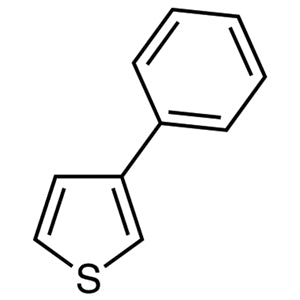
3-Phenylthiophene TCI P1126
Regular price From Rp 2.625.000,00Regular price -
Ethyl2-Amino-5-phenylthiophene-3-carboxylate TCI E1139
Regular price From Rp 1.035.300,00Regular price

![41840-28-2 2-(tert-Butoxycarbonylthio)-4,6-dimethylpyrimidine [Boc Agent for Peptides Synthesis] - AMI Scientific](http://amiscientific.com/cdn/shop/files/TCI2510B1089_7b65c1b0-ca0b-4b1a-822b-5b995d7e14c0.jpg?v=1767231194&width=533)