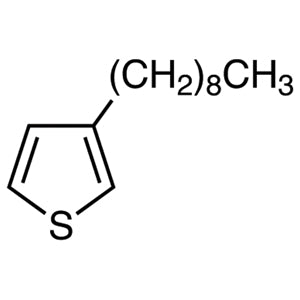
3-Nonylthiophene is a chemical compound classified under the heterocyclic category, featuring a thiophene core with an extended nonyl chain. This compound plays a crucial role in laboratory settings, particularly in organic chemistry and pharmacology, where it serves as a foundational building block for synthesizing complex molecules. Its unique structure enables researchers to explore diverse chemical modifications, making it an essential tool in the development of bioactive compounds and industrial chemicals. Due to its structural versatility, it is widely utilized in both basic and applied research projects.
The compound's chemical properties make it a preferred choice for synthetic applications. It exhibits stability under controlled conditions but is sensitive to oxidation and uncontrolled chemical reactions. This sensitivity requires careful handling during synthesis processes. Additionally, its ability to form bonds with various functional groups enhances its utility in substitution and catalytic reactions. These characteristics make it a valuable resource for chemists and pharmacologists seeking to create novel compounds with specific biological activities.
In Indonesian laboratories, 3-Nonylthiophene is commonly used by researchers in chemistry and pharmacy. It is particularly relevant for studies involving drug development, material science, and chemical synthesis. Its application spans both academic and industrial research, supporting innovation in various scientific fields. The compound's role in these contexts underscores its importance in advancing chemical and pharmaceutical research in Indonesia.
TCI brochures (PDF)
- Thiophenes 2026-06-29 · p. 2
Related TCI products
- TCI P1097 13679-75-9 2-Propionylthiophene
- TCI T2200 1884-68-0 2,3,4,5-Tetraphenylthiophene
- TCI B1089 41840-28-2 2-(tert-Butoxycarbonylthio)-4,6-dimethylpyrimidine [Boc Agent for Peptides Synthesis]
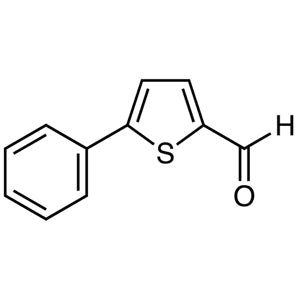
- TCI P2501 19163-21-4 5-Phenylthiophene-2-carboxaldehyde
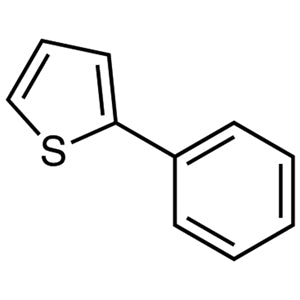
- TCI P1397 825-55-8 2-Phenylthiophene
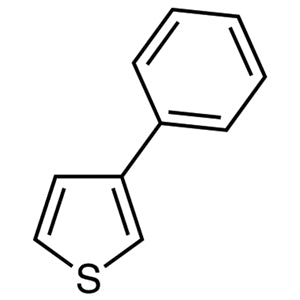
- TCI P1126 2404-87-7 3-Phenylthiophene
- Organic synthesis projects benefit from 3-Nonylthiophene due to its structural versatility and reactivity, enabling the creation of complex molecules with tailored properties.
- Pharmaceutical research utilizes this compound to develop bioactive compounds, as its unique structure can be modified to target specific biological activities.
- Material science applications leverage 3-Nonylthiophene for the synthesis of functional materials, where its chemical properties contribute to the desired performance characteristics.
- Academic research in chemistry often incorporates this compound to explore new synthetic methodologies and reaction mechanisms.
- Industrial chemical production uses 3-Nonylthiophene as a building block for the manufacture of specialized chemicals with specific applications in various industries.
| Brand | TCI |
|---|---|
| CAS number | 65016-63-9 |
| Molecular formula | — |
| Purity | — |
| Category | Chemistry > Building Blocks > Heterocyclic Building Blocks |
| Pack sizes | Available in standard laboratory quantities as per supplier specifications |
| Physical form | Liquid or solid, depending on the specific product variant |
| Storage | Store in a cool, dry place away from direct sunlight and incompatible substances |
3-Nonylthiophene should be stored in a cool, dry environment, away from direct sunlight and sources of heat. It is recommended to use airtight containers made of materials that are chemically inert to prevent unwanted reactions. Due to its sensitivity to oxidation, it should be kept in a well-ventilated area to minimize exposure to air. Laboratory personnel should wear appropriate personal protective equipment, such as gloves and goggles, when handling this compound. Proper labeling of containers is essential for safety and to prevent accidental misuse. Regular monitoring of storage conditions ensures the compound remains stable and safe for use in research applications.
—
Produk Terkait
-
2-Propionylthiophene TCI P1097
Regular price Rp 1.670.550,00Regular price -
2,3,4,5-Tetraphenylthiophene TCI T2200
Regular price From Rp 2.199.750,00Regular price -
2-(tert-Butoxycarbonylthio)-4,6-dimethylpyrimidine[BocAgentforPeptidesSynthesis] TCI B1089
Regular price From Rp 1.008.000,00Regular price -
5-Phenylthiophene-2-carboxaldehyde TCI P2501
Regular price Rp 2.837.100,00Regular price -
2-Phenylthiophene TCI P1397
Regular price From Rp 1.035.300,00Regular price -
3-Phenylthiophene TCI P1126
Regular price From Rp 2.625.000,00Regular price -
Ethyl2-Amino-5-phenylthiophene-3-carboxylate TCI E1139
Regular price From Rp 1.035.300,00Regular price -
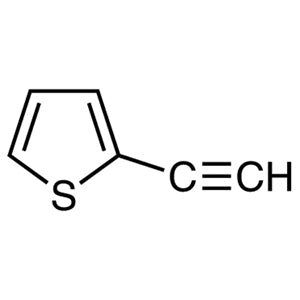
2-Ethynylthiophene TCI E0915
Regular price From Rp 2.545.200,00Regular price

![41840-28-2 2-(tert-Butoxycarbonylthio)-4,6-dimethylpyrimidine [Boc Agent for Peptides Synthesis] - AMI Scientific](http://amiscientific.com/cdn/shop/files/TCI2510B1089_7b65c1b0-ca0b-4b1a-822b-5b995d7e14c0.jpg?v=1767231194&width=533)