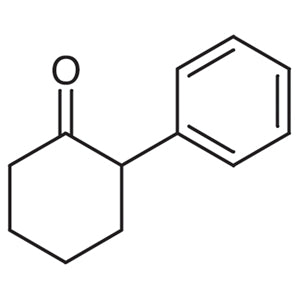
2-Phenylcyclohexanone is an organic compound widely used in chemical synthesis to produce a variety of complex compounds. It serves as a fundamental building block in the creation of aromatic and heterocyclic compounds, making it essential in organic chemistry laboratories. Its unique molecular structure, consisting of a cyclohexane ring attached to a phenyl group, allows it to participate in various chemical reactions, such as alkylation and Friedel-Crafts reactions. This versatility makes it a valuable resource for researchers aiming to develop new synthetic pathways and compounds.
The compound is chemically stable under normal conditions but readily reacts when specific catalysts or reagents are introduced. Its ability to undergo multiple reaction types, including electrophilic substitution and oxidation, makes it a preferred choice for synthetic chemists. The molecular complexity of 2-Phenylcyclohexanone also opens up opportunities for its use in drug synthesis and industrial chemical production. Its solid form and ease of handling further enhance its appeal in laboratory settings.
In Indonesian laboratories, 2-Phenylcyclohexanone is particularly relevant for organic chemistry research, especially in higher education institutions and research centers. It is frequently used in projects involving the synthesis of new compounds or modifications of existing ones. Its availability and chemical properties make it a reliable material for both academic and industrial research applications.
- Organic synthesis projects benefit from 2-Phenylcyclohexanone due to its ability to participate in multiple reaction types, enabling the creation of complex aromatic and heterocyclic compounds.
- Drug development research utilizes this compound as a building block for synthesizing pharmaceutical intermediates and active pharmaceutical ingredients.
- Industrial chemical production relies on 2-Phenylcyclohexanone for the manufacture of specialty chemicals and materials requiring aromatic functionalities.
- Academic research in pharmacology and medicinal chemistry frequently incorporates this compound to explore new synthetic routes and molecular structures.
- Educational laboratories use 2-Phenylcyclohexanone to teach students about organic chemistry reactions and molecular synthesis techniques.
| Brand | TCI |
|---|---|
| CAS number | 1444-65-1 |
| Molecular formula | — |
| Purity | — |
| Category | Chemistry > Building Blocks > Non-Heterocyclic Building Blocks |
| Pack sizes | Available in standard laboratory quantities |
| Physical form | Solid |
| Storage | Store in a cool, dry place away from light and moisture |
2-Phenylcyclohexanone should be stored in a cool, dry environment to maintain its chemical stability and prevent degradation. It is recommended to use airtight containers made of glass or inert plastic to avoid contamination and moisture exposure. Due to its potential reactivity under certain conditions, it should be handled with care, using appropriate personal protective equipment such as gloves and safety goggles. In laboratory settings, it is important to ensure proper ventilation and to store it away from incompatible substances. Regular inspection of storage conditions and container integrity is advised to maintain the compound's quality and safety.
—
Produk Terkait
-
4-Phenylcyclohexanone TCI P0975
Regular price From Rp 2.650.200,00Regular price -
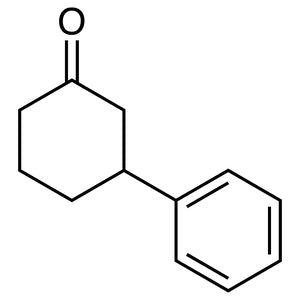
3-Phenylcyclohexan-1-one TCI P3085
Regular price Rp 6.333.600,00Regular price -
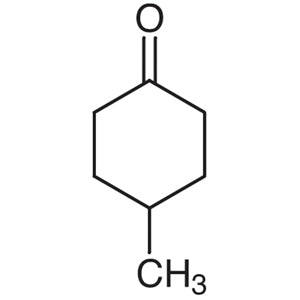
4-Methylcyclohexanone TCI M0199
Regular price From Rp 980.700,00Regular price -
3-Methylcyclohexanone TCI M0198
Regular price From Rp 689.850,00Regular price -
2-Methylcyclohexanone TCI M0197
Regular price From Rp 769.650,00Regular price -
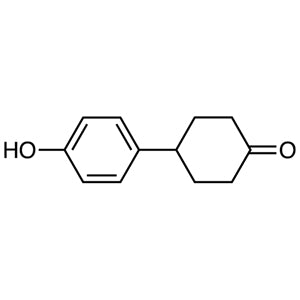
4-(4-Hydroxyphenyl)cyclohexanone TCI H1316
Regular price From Rp 1.167.600,00Regular price -
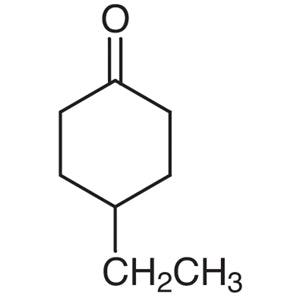
4-Ethylcyclohexanone TCI E0398
Regular price Rp 2.068.500,00Regular price -
2,6-Di-tert-butyl-4-methylcyclohexanone(mixtureofisomers) TCI D4385
Regular price From Rp 1.856.400,00Regular price