2,6-Di-tert-butyl-4-methylcyclohexanone (mixture of isomers) is an organic compound widely used as a building block in the synthesis of complex molecules. This compound plays a crucial role in chemical laboratories, where it serves as a precursor for various reactions, particularly in the formation of aromatic and heterocyclic compounds. Its molecular structure provides a versatile platform for chemical modifications, making it a valuable tool in synthetic chemistry. Due to its stability and reactivity, it is commonly used in reactions that require controlled chemical transformations.
The compound is known for its chemical stability and moderate reactivity, which makes it a preferred choice for laboratory applications. Its ability to participate in reactions such as reduction, oxidation, and substitution enhances its utility in organic synthesis. The presence of multiple functional groups allows for diverse chemical transformations, making it adaptable to a wide range of synthetic strategies. Additionally, its availability as a mixture of isomers offers flexibility in reaction outcomes and product diversity.
In Indonesian laboratories, this compound is frequently used in organic chemistry research, especially in the development of new compounds with applications in pharmaceuticals, materials science, and chemical industries. Its role in creating compounds with specific physical and chemical properties makes it an essential component in various research projects. The compound is integral to the development of advanced materials and drug candidates, supporting innovation in scientific research.
Related TCI products
- TCI T4002 42594-17-2 Tricyclo[5210~2,6~]decanedimethanol Diacrylate (mixture of isomers) (stabilized with MEHQ)
- TCI T2701 6809-52-5 Teprenone [mixture of (5E,9E,13E)- and (5Z,9E,13E)- isomers]
- TCI B3371 14765-30-1 2-sec-Butylcyclohexanone (mixture of isomers)
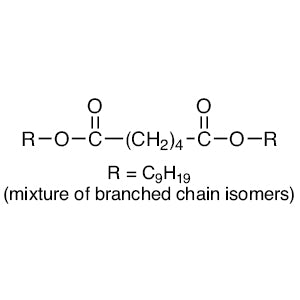
- TCI A1387 33703-08-1 Diisononyl Adipate (mixture of branched chain isomers)
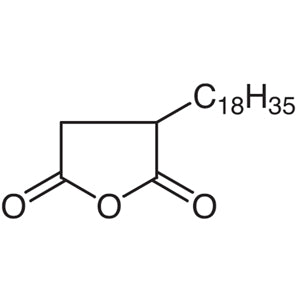
- TCI T0170 26544-38-7 Tetrapropenylsuccinic Anhydride (mixture of branched chain isomers)
- TCI T0023 80-26-2 Terpinyl Acetate (mixture of isomers)
- Organic synthesis of aromatic and heterocyclic compounds due to its versatile molecular structure and reactivity.
- Preparation of intermediates for pharmaceutical and industrial chemical applications through controlled chemical transformations.
- Investigation of reaction mechanisms involving reduction, oxidation, and substitution reactions due to its chemical stability.
- Development of new materials with specific physical and chemical properties through functional group modifications.
- Research in chemical engineering for the production of specialty chemicals requiring precise synthetic pathways.
| Brand | TCI |
|---|---|
| CAS number | 23790-39-8 |
| Molecular formula | — |
| Purity | — |
| Category | Chemistry > Building Blocks > Non-Heterocyclic Building Blocks |
| Pack sizes | Available in various quantities as per supplier specifications |
| Physical form | Liquid |
| Storage | Store in a cool, dry place away from light and incompatible materials |
This compound should be stored in a cool, dry environment, away from direct sunlight and sources of heat. It is recommended to use sealed containers made of materials compatible with organic solvents to prevent contamination and evaporation. Due to its chemical reactivity, it should be handled in a well-ventilated area, ideally within a fume hood, to minimize exposure. Avoid contact with strong oxidizing agents or reactive metals. Always wear appropriate personal protective equipment, including gloves, goggles, and a lab coat, when handling this material. Proper labeling and storage practices are essential to ensure safety and maintain the integrity of the compound.
—
Produk Terkait
-
Tricyclo[5210~2,6~]decanedimethanolDiacrylate(mixtureofisomers)(stabilizedwithMEHQ) TCI T4002
Regular price From Rp 1.273.650,00Regular price -
Teprenone[mixtureof(5E,9E,13E)-and(5Z,9E,13E)-isomers] TCI T2701
Regular price From Rp 2.147.250,00Regular price -
2-sec-Butylcyclohexanone(mixtureofisomers) TCI B3371
Regular price Rp 1.060.500,00Regular price -
DiisononylAdipate(mixtureofbranchedchainisomers) TCI A1387
Regular price From Rp 584.850,00Regular price -
TetrapropenylsuccinicAnhydride(mixtureofbranchedchainisomers) TCI T0170
Regular price From Rp 505.050,00Regular price -
TerpinylAcetate(mixtureofisomers) TCI T0023
Regular price From Rp 477.750,00Regular price -
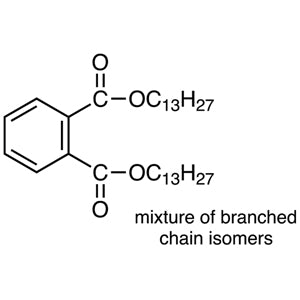
DitridecylPhthalate(mixtureofbranchedchainisomers) TCI P0307
Regular price Rp 477.750,00Regular price -
OctadecenylsuccinicAnhydride(mixtureofisomers) TCI O0013
Regular price From Rp 1.087.800,00Regular price
![42594-17-2 Tricyclo[5.2.1.0~2,6~]decanedimethanol Diacrylate (mixture of isomers) (stabilized with MEHQ) - AMI Scientific](http://amiscientific.com/cdn/shop/files/TCI2510T4002.jpg?v=1767144579&width=533)
![6809-52-5 Teprenone [mixture of (5E,9E,13E)- and (5Z,9E,13E)- isomers] - AMI Scientific](http://amiscientific.com/cdn/shop/files/TCI2510T2701.jpg?v=1767143256&width=533)