3-Phenylcyclohexan-1-one is an organic compound widely used in chemical reactions for the synthesis of complex molecules. It is a key building block in the development of aromatic and heterocyclic compounds, making it essential in various laboratory applications. Its molecular structure consists of a cyclohexane ring attached to a phenyl group and a carbonyl group, which contributes to its reactivity and versatility. This compound is commonly found in research settings where the creation of new chemical structures is required.
The compound is known for its solubility in organic solvents such as ethyl acetate and chloroform, which makes it easy to handle and incorporate into different reaction systems. Its chemical stability under certain conditions ensures that it remains effective throughout the synthesis process. Additionally, its distinct aroma aids in visual identification during processing, which is particularly useful in laboratory environments. The compound's resistance to degradation also makes it suitable for use in reactions that require long-term stability.
In Indonesian laboratories, 3-Phenylcyclohexan-1-one is frequently used in organic chemistry research, especially in pharmaceutical and food chemistry fields. It plays a vital role in the development of new compounds and the expansion of chemical knowledge. Many research institutions and universities rely on this compound to support their studies and innovation in synthetic chemistry.
Related TCI products
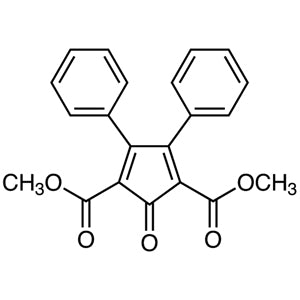
- TCI B1962 16691-79-5 2,5-Bis(methoxycarbonyl)-3,4-diphenylcyclopentadienone
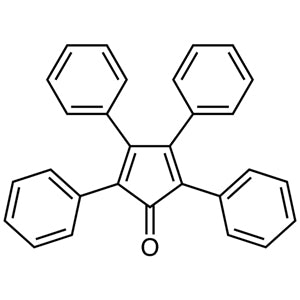
- TCI T1062 479-33-4 Tetraphenylcyclopentadienone
- TCI P1311 1444-65-1 2-Phenylcyclohexanone
- TCI P0975 4894-75-1 4-Phenylcyclohexanone
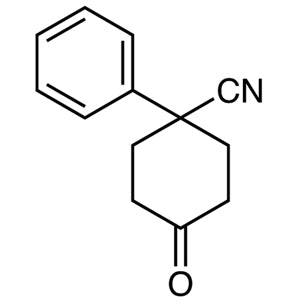
- TCI O0470 25115-74-6 4-Oxo-1-phenylcyclohexanecarbonitrile
- TCI D6101 886-38-4 2,3-Diphenylcycloprop-2-en-1-one
- Organic synthesis is a primary application where this compound serves as a versatile building block for creating complex aromatic and heterocyclic structures.
- Pharmaceutical research benefits from its use in the development of new drug molecules due to its reactivity and structural versatility.
- Cosmetic formulation involves this compound as a key ingredient in the synthesis of fragrance compounds and other specialty chemicals.
- Industrial chemical production utilizes it for the creation of various organic intermediates and specialty chemicals.
- Food chemistry research employs this compound in the synthesis of flavor compounds and aroma-related molecules.
| Brand | TCI |
|---|---|
| CAS number | 20795-53-3 |
| Molecular formula | — |
| Purity | — |
| Category | Chemistry > Building Blocks > Non-Heterocyclic Building Blocks |
| Pack sizes | Available in various quantities as per standard supplier offerings |
| Physical form | Liquid |
| Storage | Store in a cool, dry place away from direct sunlight |
This compound should be stored in a cool, dry environment, away from direct sunlight and sources of heat. It is recommended to use airtight containers made of glass or high-density polyethylene to prevent contamination and evaporation. Due to its solubility in organic solvents, it should be handled in a well-ventilated area to minimize exposure. Standard laboratory safety practices, such as wearing gloves and goggles, should be followed when handling this material. It is important to keep the compound away from incompatible substances to ensure stability and safety in storage.
—
Produk Terkait
-
2,5-Bis(methoxycarbonyl)-3,4-diphenylcyclopentadienone TCI B1962
Regular price From Rp 2.625.000,00Regular price -
Tetraphenylcyclopentadienone TCI T1062
Regular price From Rp 823.200,00Regular price -
2-Phenylcyclohexanone TCI P1311
Regular price From Rp 1.565.550,00Regular price -
4-Phenylcyclohexanone TCI P0975
Regular price From Rp 2.650.200,00Regular price -
4-Oxo-1-phenylcyclohexanecarbonitrile TCI O0470
Regular price Rp 2.174.550,00Regular price -
2,3-Diphenylcycloprop-2-en-1-one TCI D6101
Regular price From Rp 1.378.650,00Regular price -
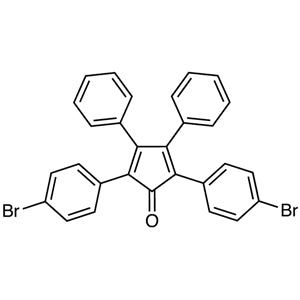
2,5-Bis(4-bromophenyl)-3,4-diphenylcyclopenta-2,4-dienone TCI B5987
Regular price From Rp 1.803.900,00Regular price -
1-Phenylcyclohexanecarbonitrile TCI P2253
Regular price Rp 2.491.650,00Regular price