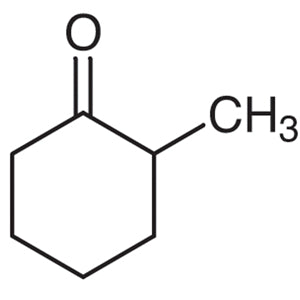
2-Methylcyclohexanone is an organic compound widely utilized in various chemical reactions within laboratory settings. As a key component in synthetic chemistry, it serves as a versatile building block that enables the creation of more complex molecules. Its simple yet adaptable molecular structure makes it ideal for substitution reactions and other chemical transformations. This compound is commonly used as a precursor in the synthesis of aromatic and heterocyclic compounds, offering researchers a reliable foundation for their experiments.
The compound's stable molecular structure and ability to participate in both nucleophilic and electrophilic reactions make it a preferred choice for laboratory applications. It exhibits good solubility in organic solvents, which simplifies processes such as separation and purification. These properties ensure that it remains a valuable resource in chemical synthesis, providing consistency and reliability in experimental outcomes. Its chemical and physical characteristics also support its use in a wide range of laboratory procedures.
In Indonesian laboratories, 2-Methylcyclohexanone is frequently employed in organic chemistry research, particularly in higher education institutions and research facilities. Its availability and reliability make it a go-to material for chemists working on synthetic pathways and compound development. Its role in supporting scientific inquiry underscores its importance in both academic and industrial research environments.
Related TCI products
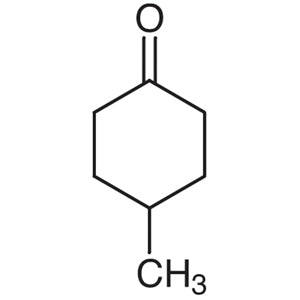
- TCI M0199 589-92-4 4-Methylcyclohexanone
- TCI M0198 591-24-2 3-Methylcyclohexanone
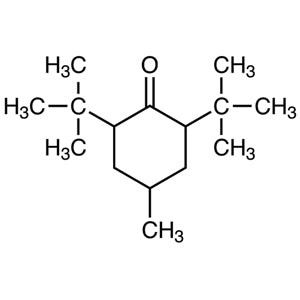
- TCI D4385 23790-39-8 2,6-Di-tert-butyl-4-methylcyclohexanone (mixture of isomers)
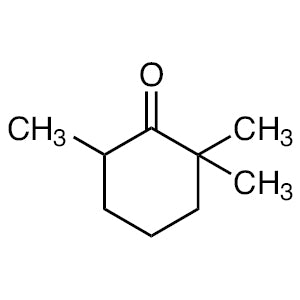
- TCI T3944 2408-37-9 2,2,6-Trimethylcyclohexanone
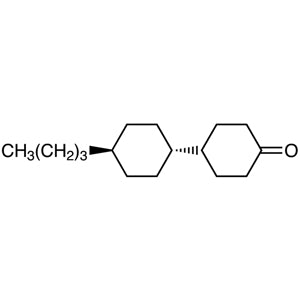
- TCI B4946 92413-47-3 4-(trans-4-Butylcyclohexyl)cyclohexanone
- TCI B3856 179321-49-4 4-(tert-Butoxycarbonylamino)cyclohexanone
- Organic synthesis applications benefit from 2-Methylcyclohexanone due to its reactivity and ability to form complex molecular structures through various chemical transformations.
- It is widely used in the preparation of aromatic and heterocyclic compounds, offering a stable and versatile starting material for synthetic pathways.
- In research and development settings, this compound supports the creation of new chemical entities by serving as a key intermediate in multi-step synthesis processes.
- Its solubility in organic solvents makes it suitable for purification and separation techniques commonly used in analytical chemistry.
- It is an essential component in the study of reaction mechanisms, enabling chemists to investigate the behavior of molecules under different conditions.
| Brand | TCI |
|---|---|
| CAS number | 583-60-8 |
| Molecular formula | — |
| Purity | — |
| Category | Chemistry > Building Blocks > Non-Heterocyclic Building Blocks |
| Pack sizes | Available in various sizes as per supplier specifications |
| Physical form | Liquid |
| Storage | Store in a cool, dry place away from direct sunlight |
2-Methylcyclohexanone should be stored in a cool, dry environment, away from direct sunlight and sources of heat. It is recommended to use appropriate containers that are resistant to chemical reactions and ensure the integrity of the compound. Proper ventilation is essential when handling this material to minimize exposure to vapors. Laboratory personnel should wear personal protective equipment, including gloves and safety goggles, to prevent skin and eye contact. The compound should be kept in a secure location, away from incompatible materials such as strong oxidizing agents. Regular monitoring of storage conditions ensures the compound remains stable and safe for use in laboratory settings.
—
Produk Terkait
-
4-Methylcyclohexanone TCI M0199
Regular price From Rp 980.700,00Regular price -
3-Methylcyclohexanone TCI M0198
Regular price From Rp 689.850,00Regular price -
2,6-Di-tert-butyl-4-methylcyclohexanone(mixtureofisomers) TCI D4385
Regular price From Rp 1.856.400,00Regular price -
2,2,6-Trimethylcyclohexanone TCI T3944
Regular price From Rp 2.174.550,00Regular price -
4-(trans-4-Butylcyclohexyl)cyclohexanone TCI B4946
Regular price From Rp 689.850,00Regular price -
4-(tert-Butoxycarbonylamino)cyclohexanone TCI B3856
Regular price From Rp 505.050,00Regular price -
2-sec-Butylcyclohexanone(mixtureofisomers) TCI B3371
Regular price Rp 1.060.500,00Regular price -
4,4'-Bicyclohexanone TCI B2405
Regular price Rp 5.300.400,00Regular price